Anh Tuan, a resident of Cau Giay district, Hanoi, recently purchased a brand new Hyundai H150 truck from Truong Hai dealership on Le Van Luong street. His beaming smile reflected the joy of receiving his new vehicle. However, his happiness was short-lived. Just a few days later, he discovered a technical issue with the truck. Anh Tuan was shocked because, during the handover, he had trusted the dealer and hastily signed the truck handover protocol without a thorough inspection.
Anh Tuan’s story serves as a valuable lesson for many when purchasing a truck. So, what exactly is a truck handover protocol? How can you protect your rights when signing it? This article will provide you with a detailed guide from A to Z!
What is a Truck Handover Protocol?
A truck handover protocol is a crucial legal document that records the transfer of a truck from the seller (individual or dealership) to the buyer. It acts as a “guarantee” for both parties in case of future disputes.
Importance of a Truck Handover Protocol
Did you know that a complete and accurate truck handover protocol can help you:
- Protect your rights: In case of disputes regarding the origin or condition of the truck, the protocol clarifies each party’s responsibility.
- Facilitate legal procedures: The protocol is an essential document for vehicle registration and ownership transfer.
- Avoid risks: It helps you avoid unnecessary complications after purchasing the truck.
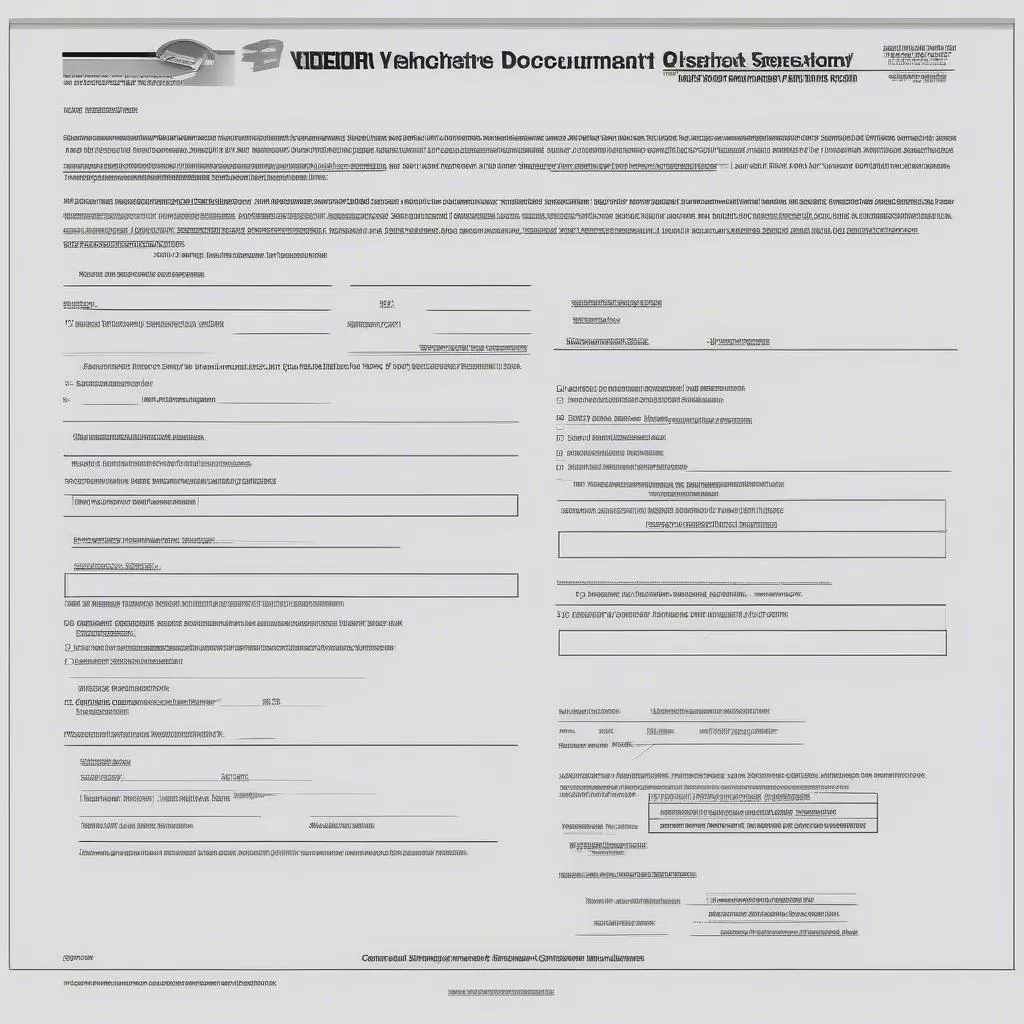
Here’s an example of a complete and accurate truck handover protocol Example of a truck handover protocol.
Essential Content of a Truck Handover Protocol
A comprehensive truck handover protocol should include the following information:
Seller and Buyer Information:
- Full name, address, and ID card/Citizen ID number of both parties.
- If it’s a company, include the company name, tax code, and representative’s information.
Truck Information:
- Manufacturer, year of manufacture, chassis number, and engine number.
- Paint color, truck body type, and permitted load capacity.
- Equipment and accessories included with the truck.
Truck Condition:
- Detailed description of the truck’s current condition: Engine, interior, and exterior.
- Mileage, tire condition, electrical system, lights, and horn functionality.
- Any defects (if any) and responsibility for repair.
Illustrative image for the truck condition section:  Inspecting the truck's condition before signing.
Time, Place, and Method of Handover:
- Clearly state the specific time and location of the handover and the recipient.
- Payment method: Cash, bank transfer, etc.
Signatures and Confirmation:
- Both parties sign and stamp (if applicable) the protocol.
- A witness signature can be added to enhance legal validity.
Important Notes When Signing a Truck Handover Protocol
- Thoroughly inspect the truck: Don’t hesitate to spend time meticulously checking every detail of the truck, from the engine and interior to the exterior.
- Request a test drive: Test drive the truck to assess its performance, braking system, clutch, and accelerator.
- Carefully read the protocol: Ensure you understand and agree to all terms and conditions in the protocol.
- Keep the original protocol: The original protocol is crucial evidence; keep it safe.
Frequently Asked Questions About Truck Handover Protocols
1. Can I draft a truck handover protocol myself?
You can absolutely draft it yourself; however, to ensure legal validity, consult a lawyer or legal expert.
2. What should I do if I discover a defect after signing the protocol?
Immediately contact the seller to report the issue and discuss a solution. If you can’t resolve it yourselves, seek assistance from the authorities.
3. What should I keep in mind regarding the handover protocol when buying a truck on installment?
In addition to the basic content, the protocol should clearly state information about the lender, loan amount, interest rate, and repayment period.









