Regular car inspections are crucial for ensuring safe operation and prolonging the lifespan of your vehicle. Not only do inspections help identify potential problems early, but they can also save you money on repairs in the long run. This guide provides a comprehensive overview of how to inspect your car, from basic checks to more in-depth details.
Exterior Car Inspection
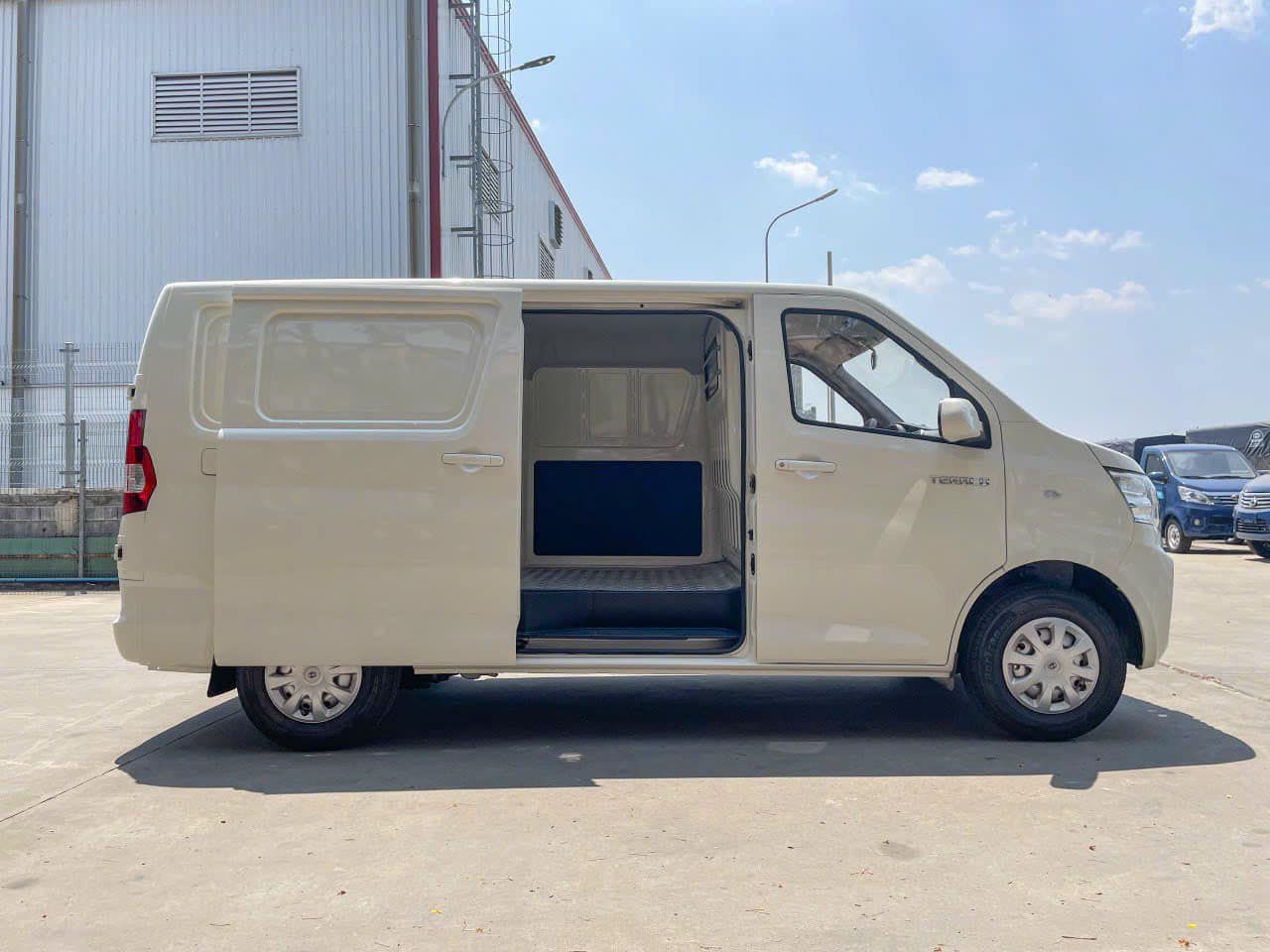
The first step in the car inspection process is to examine the exterior. Carefully inspect the entire body of the car, checking for scratches, dents, or any other signs of damage. Pay particular attention to details such as headlights, taillights, mirrors, and tires. Ensure that everything is functioning correctly and shows no signs of cracks or damage. Checking tire pressure is also crucial for safe driving. You can learn more about car battery inspection.
Interior Car Inspection
After inspecting the exterior, move on to the interior. Check the functionality of the control systems, including warning lights, horn, entertainment system, and air conditioning. Make sure the seats, seat belts, and other components within the cabin are in good working order. You should also check the engine oil and coolant levels to ensure the car is running smoothly. Refer to our used car inspection service for more details.
Engine and Transmission Inspection
Inspecting the engine and transmission is a vital part of the car inspection process. Check the engine oil level, coolant level, and transmission fluid level. Look closely for any signs of leaks or damage. If you lack experience with car mechanics, seek assistance from professionals. Read more about how to inspect a used car for further knowledge.
How to Check Engine Oil
Use the dipstick to check the oil level. The ideal oil level is between the two marks on the dipstick.
How to Check Coolant
Check the coolant level in the reservoir. The level should be between the min and max lines.
Brake and Steering System Inspection
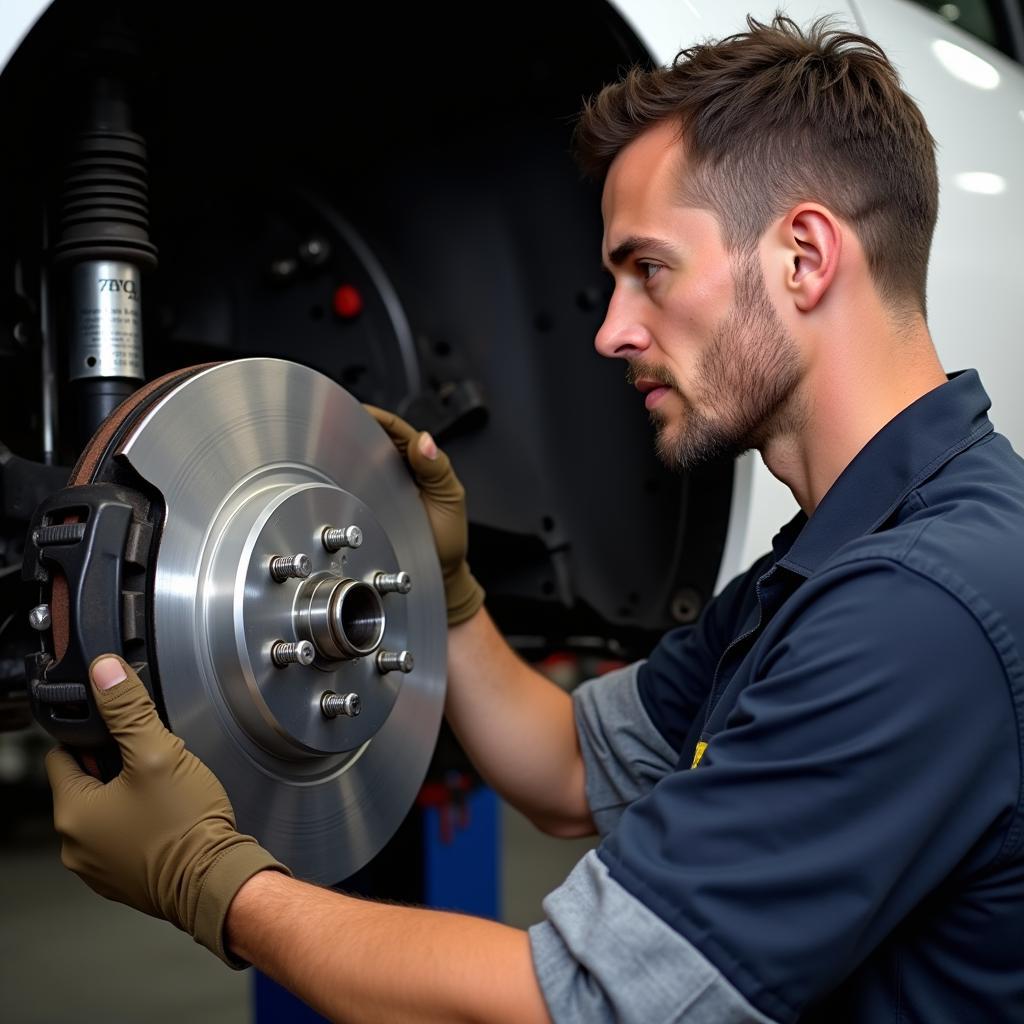
Inspecting the brake and steering systems is paramount for ensuring safe driving. Check the brake pads, rotors, and power steering system. Ensure they are functioning effectively and show no signs of damage. You can find more information about our used car inspection service.
Signs of Brake System Problems
Some signs of brake system problems include squeaking noises when braking, a vibrating brake pedal, or the car pulling to one side when braking.
Inspecting car brakes and steering system
Checking for Parking Tickets
Checking for outstanding parking tickets is also important. You can look up parking ticket information online or at the relevant authorities. Learn more at check for parking tickets.
Conclusion
Regular car inspections are the best way to ensure safety and save money. We hope this article has provided you with valuable information on how to inspect your car.
FAQ
- How often should I inspect my car?
- How much does a car inspection cost?
- Where should I get my car inspected?
- Which parts require the most thorough inspection?
- How can I inspect my car at home?
- When should I take my car to a garage for inspection?
- What should I look for when inspecting a used car before purchasing?
For assistance, please contact us by phone: 0968239999, Email: [email protected] Or visit our address: No. TT36 – CN9 Road, Tu Liem Industrial Park, Phuong Canh Ward, Nam Tu Liem District, Hanoi. We have a 24/7 customer service team.