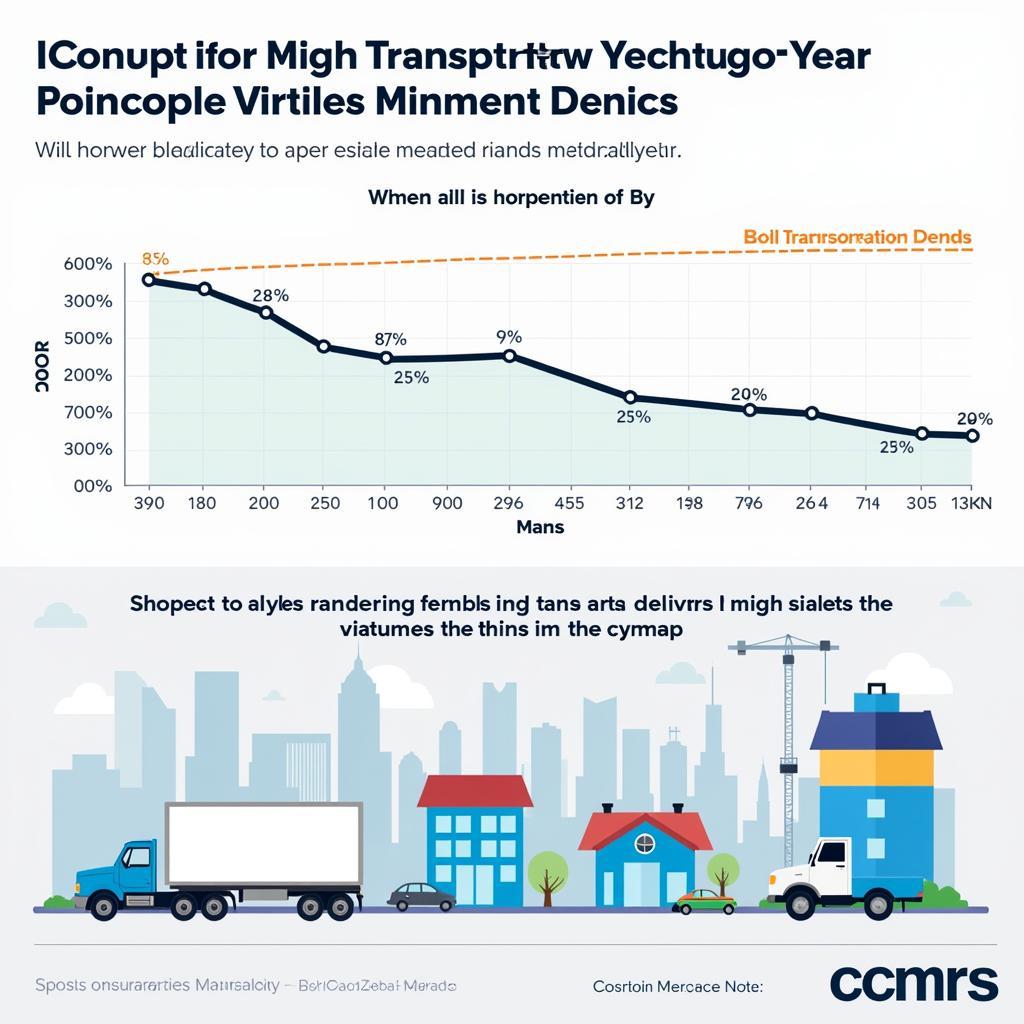
Real estate policies play a crucial role in shaping the real estate market, directly influencing the demand for freight transportation. Fluctuations in this market significantly impact trucking companies, especially those specializing in transporting construction materials, furniture, and related products.
Impact of Real Estate Policies on Trucking Demand
Real estate policies, including regulations on planning, building permits, taxes, and credit, can either stimulate or hinder market growth. When the market is vibrant, the demand for transporting construction materials, furniture, and related goods increases. Conversely, when the market is sluggish, transportation demand also declines. Understanding and analyzing real estate policies is crucial for trucking companies to anticipate market trends and adjust their operations accordingly.
Real estate policies impact trucking demand
Real estate credit policies also significantly affect the trucking industry. When borrowing is easy, real estate transactions increase, leading to a higher demand for goods transportation. Conversely, tight credit policies will reduce transportation demand. To learn more about real estate credit policies, you can refer to real estate credit policies 2017.
Opportunities and Challenges for Trucking Companies
The development of the real estate market creates numerous opportunities for trucking companies. However, it also poses significant challenges. Businesses need to enhance their competitiveness, invest in technology, and manage effectively to meet the increasing market demands. A flexible business strategy is necessary to adapt to fluctuations in the real estate market. For instance, when preferential policies are implemented, transportation demand will surge, requiring companies to respond promptly. You can learn more about preferential policies for real estate purchases.
Suitable Truck Types for Real Estate Transportation
Depending on the type of goods and project scale, trucking companies can choose different types of trucks. Flatbed trucks are suitable for transporting construction materials such as bricks, sand, and stones. Light trucks and vans are used to transport furniture and smaller items. For large projects, 8-ton trucks are the optimal choice. Trucks with capacities of 1 ton, 2 tons, and 3.5 tons are also commonly used in the real estate transportation sector. Learn more about real estate agent partnership programs to see the potential for collaboration in this field.
How Real Estate Policies Affect Truck Selection
Policies on urban planning and transportation infrastructure can influence truck selection. For example, regulations on load capacity and vehicle size within urban areas will restrict the use of heavy trucks. Environmental policies also encourage the use of environmentally friendly trucks. To better understand real estate company policies, you can refer to real estate company policies.
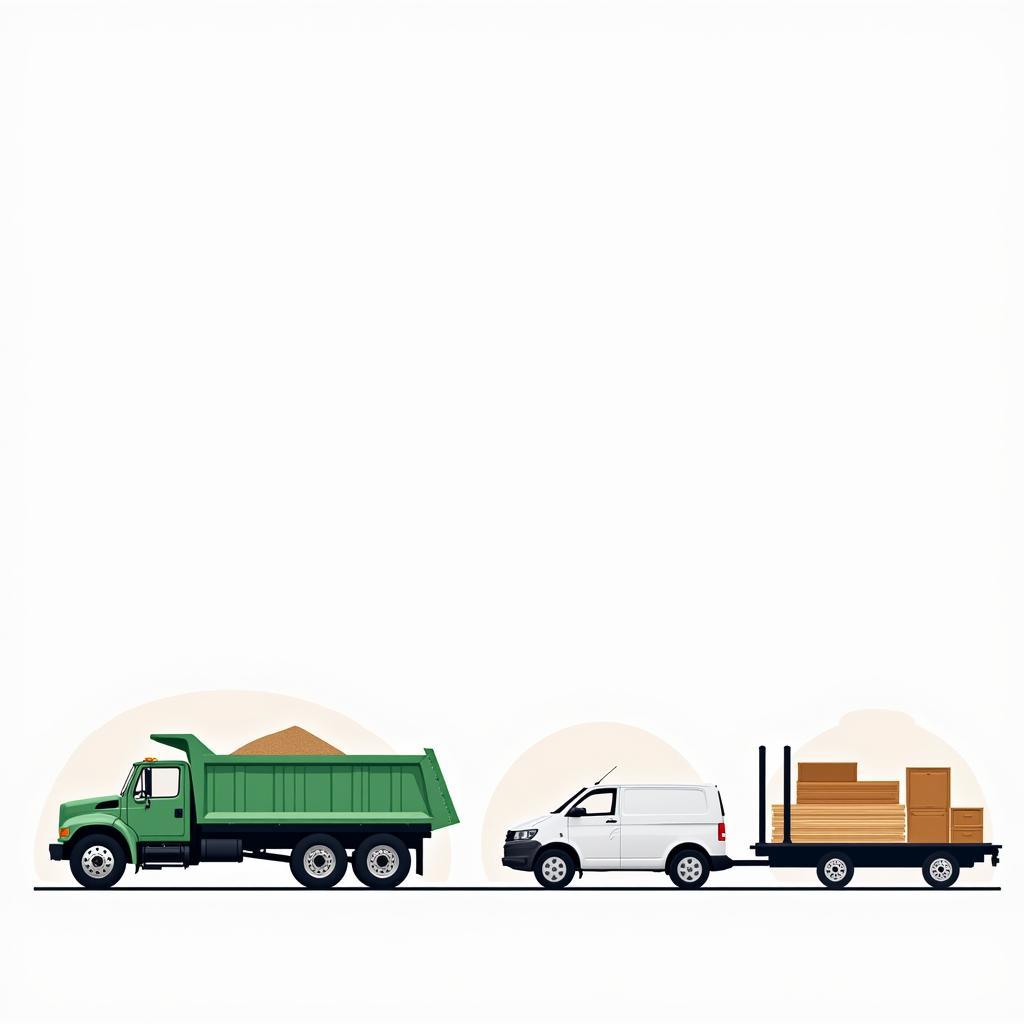 Choosing the right truck for real estate transport
Conclusion
Real estate policies have a significant impact on the trucking industry. Understanding and analyzing these policies is crucial for the success of trucking companies. By choosing the right type of truck and implementing appropriate business strategies, businesses can capitalize on opportunities and overcome challenges presented by real estate policies. Refer to real estate loan policies for a more comprehensive understanding of the market.
For assistance, please contact us by phone: 0968239999, Email: [email protected] Or visit us at: TT36 – CN9 Road, Tu Liem Industrial Park, Phuong Canh Ward, Nam Tu Liem District, Hanoi. We have a 24/7 customer service team.









