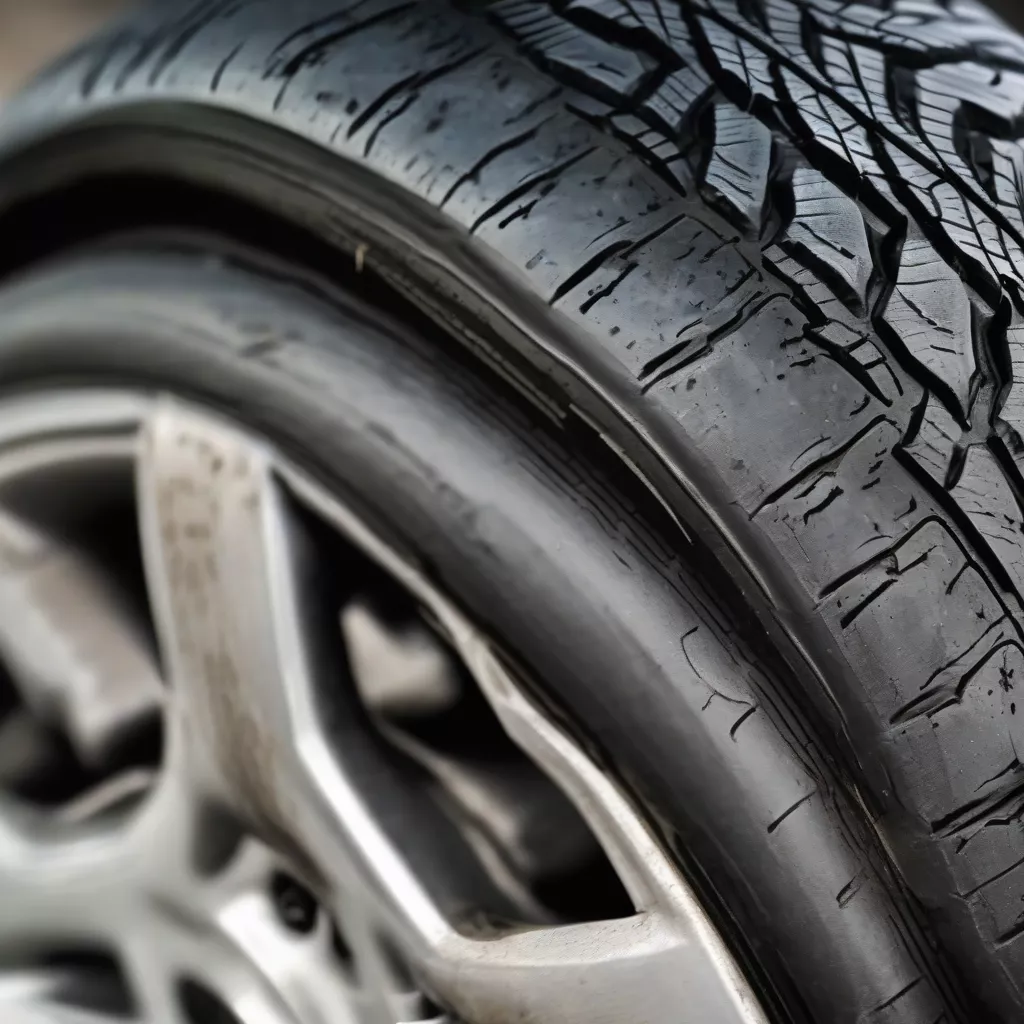
“Accidents happen unexpectedly, like a tire running over a nail,” a common saying among truck drivers on Pham Van Dong Street, Bac Tu Liem District, Hanoi, couldn’t be truer. No one wants to experience a flat tire, especially when carrying heavy cargo. So, how do you handle a flat tire on a car or truck? Let’s find out with Hanoi Trucks!
Understanding Flat Tires
About Car Tires
Car tires are the only part of the vehicle in direct contact with the road surface, responsible for safety, a smooth ride, and vehicle handling. Tires are constructed from multiple layers of rubber, steel belts, and other components to ensure durability and load-bearing capacity.
Common Causes of Flat Tires
There are many reasons why tires go flat. The most common include:
- Punctures: Nails, screws, glass shards, and sharp rocks on the road are the nemesis of tires.
- Incorrect Tire Pressure: Both underinflation and overinflation increase the risk of a blowout, especially at high speeds.
- Worn-Out Tires: Tires with worn treads have reduced grip and are more susceptible to punctures and blowouts.
- Impact Damage: Hitting curbs, potholes, or other obstacles can cause tire damage and flats.
Types of Tire Damage
Depending on the severity, tire damage can be categorized as:
- Minor: Small punctures that haven’t penetrated the steel belts.
- Moderate: Larger punctures that may have reached the steel belts.
- Severe: Extensive damage where the tire is beyond repair.
Minor tire damage
Handling a Flat Tire
Recognizing the Signs of a Flat Tire
While driving, pay attention to these signs:
- Unusual Noises: Hissing, popping, or thumping sounds coming from the tire.
- Steering Wheel Vibration: The vehicle pulls to one side or becomes difficult to control.
- Tire Pressure Monitoring System (TPMS) Warning: A rapid drop in tire pressure indicated on the dashboard.
What to Do if You Have a Flat Tire
- Remain Calm and Control the Vehicle: Avoid sudden braking or sharp turns.
- Turn on Hazard Lights and Pull Over Safely.
- Inspect the Tire: If the damage is minor, a temporary tire repair might be possible. If the damage is severe, you’ll need to use the spare tire.
- Call for Roadside Assistance (if needed): If you can’t change the tire yourself or the vehicle is severely damaged.
Precautions for Tire Repair
- Seek Professional Repair: Avoid temporary or substandard repairs.
- Avoid Multiple Repairs on the Same Tire: Repeated repairs weaken the tire’s integrity.
- Replace Worn-Out Tires: Old tires with worn treads should be replaced for safety.
 Severe tire damage
Frequently Asked Questions About Flat Tires
Should I Repair or Replace a Flat Tire?
The decision depends on the severity of the damage.
Where Can I Find Reliable Tire Repair in Hanoi?
You can check reputable garages on Nguyen Van Cu Street, Long Bien District, or authorized tire dealers.
How Much Does Tire Repair Cost?
The cost varies depending on the tire type, size, and location of the damage.
How to Prevent Flat Tires?
- Check tire pressure regularly.
- Avoid driving over sharp objects.
- Replace tires periodically.
Hanoi Trucks – Your Trusted Truck Provider
For buying or selling trucks and truck parts, explore the offerings at Hanoi Trucks.
- Address: [Street Number] [Street Name], [Ward Name], [District Name], Hanoi
- Website: https://xetaihanoi.edu.vn/
Conclusion
A flat tire is an unwelcome event, but you can take steps to prevent and handle it effectively. Equip yourself with the necessary knowledge to ensure your safety and the safety of others on every journey.
For more information on truck tires, truck maintenance, and related topics, please refer to our article “Common Car Problems” here: https://xetaihanoi.edu.vn/cac-loi-thuong-gap-khi-di-o-to/









