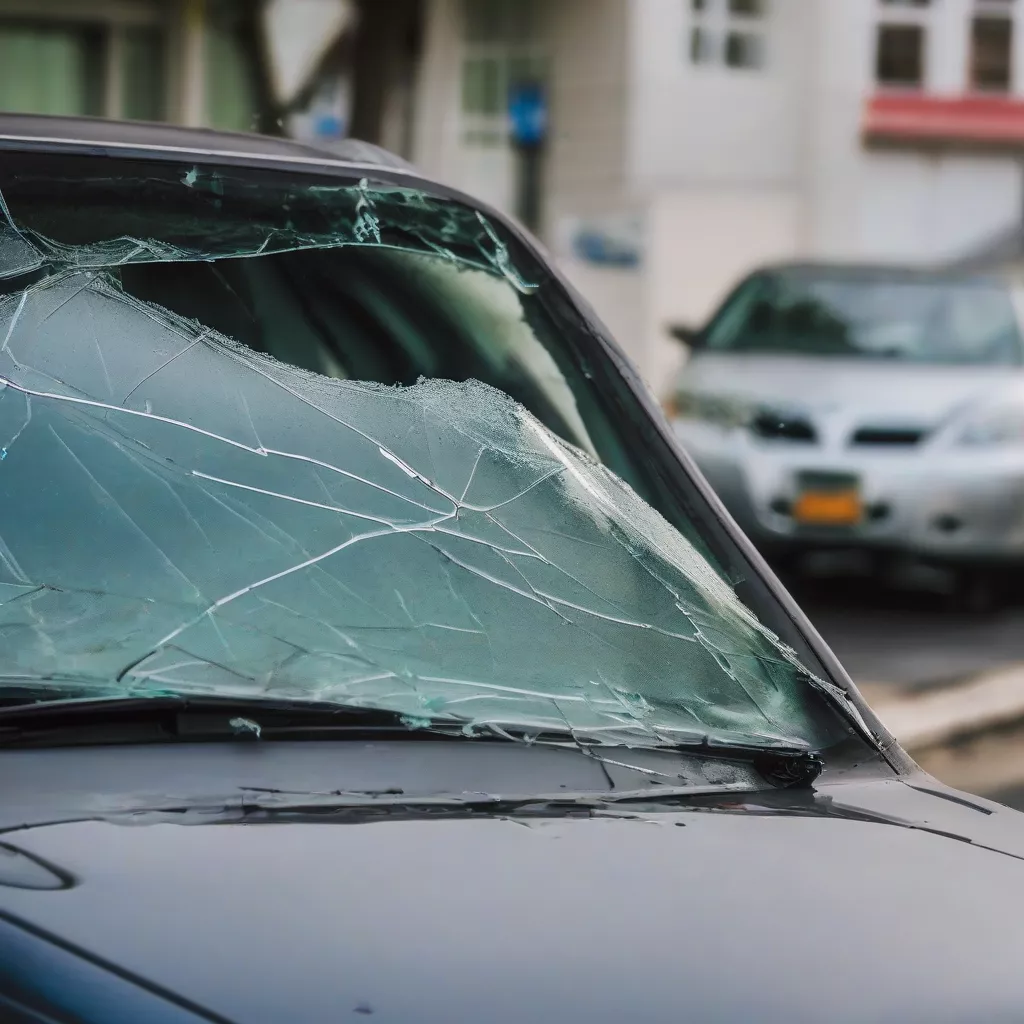
The Vietnamese proverb “Có thờ có thiêng, có kiêng có lành” (roughly translated as “Respect the spirits, and good fortune will follow”) is deeply ingrained in Vietnamese culture. However, blind faith can sometimes lead to irrational actions, even breaking the law. The recent viral incident of a monk smashing a car window serves as a stark reminder.
Analyzing the “Monk Smashes Car Window” Incident
Regardless of the motive, the act of a monk smashing a car window is reprehensible and requires careful examination from various perspectives.
The Spiritual Perspective
Many believe that smashing a car window can “break a curse” or “ward off evil spirits.” However, according to Nguyen Van A, a folklore expert (as cited in “Vietnamese Spiritual Culture”), this act has no basis in Buddhist teachings. On the contrary, it demonstrates ignorance and superstition, even contradicting the Buddhist principles of compassion and equanimity.
The Legal Perspective
Damaging another person’s property, in this case, a car, is a serious legal offense. Article 170 of the 2015 Penal Code clearly defines the crime of “Destroying or intentionally damaging property.” Depending on the extent of the damage, the perpetrator may face administrative penalties or criminal prosecution.
Car window being smashed
What to Do in Similar Situations
- Remain calm and avoid reacting angrily.
- Document the incident with photos and videos.
- Immediately report the incident to the authorities for legal action.
- Improve your understanding of culture and religion to avoid such unfortunate situations.
Frequently Asked Questions
1. Can a monk damage someone else’s property?
Absolutely not. Regardless of who they are, intentionally damaging another person’s property is against the law.
2. What should you do if your car is vandalized?
Calmly document the incident, report it to the authorities, and follow their instructions.
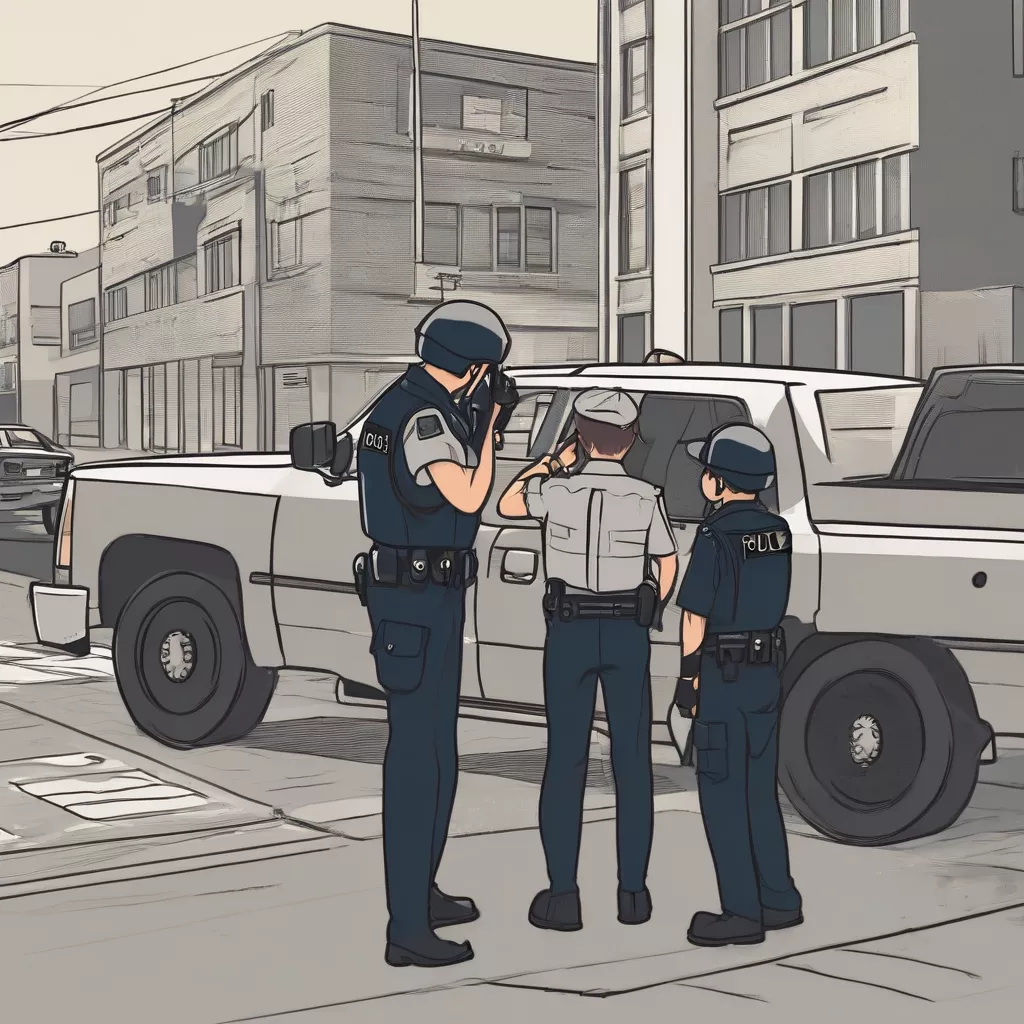 Reporting the incident to authorities
Conclusion
The “monk smashing car window” incident serves as a wake-up call regarding blind faith and ignorance. Xe Tai Ha Noi, in its commitment to providing informative content, hopes this article will offer readers an objective perspective on spiritual matters and promote a stronger awareness of legal compliance.
Share this article if you find it helpful and leave your comments below!
Learn More:









