Vietnam’s Doi Moi policy, initiated in 1986, has brought about significant economic and social transformations. This article addresses frequently asked questions about this policy, from its historical context to its impacts and challenges.
The Historical Context of Doi Moi
Before Doi Moi, Vietnam followed a centrally planned economic model, leading to numerous economic difficulties. Stagnation, shortages, and high inflation were pressing issues. The Sixth National Congress of the Communist Party of Vietnam in December 1986 marked a historic turning point with the decision to implement Doi Moi, opening the economy and transitioning to a socialist-oriented market economy. This policy aimed to revitalize the economy and improve living standards.
Key Components of Doi Moi
Doi Moi focused on several key areas, including:
- Economy: Shifting from a centrally planned to a socialist-oriented market economy, encouraging private sector development, and attracting foreign investment.
- Agriculture: Implementing the “Khoan 10” policy, granting farmers autonomy in production, and boosting agricultural output.
- Foreign Affairs: Opening up to international integration and establishing diplomatic relations with numerous countries worldwide.
Key components of Doi Moi policy
Impacts of Doi Moi
Doi Moi has achieved remarkable successes:
- Economic Growth: Vietnam’s economy has experienced rapid growth, transforming the country from one of the poorest in the world to a middle-income nation.
- Poverty Reduction: Poverty rates have significantly decreased, and living standards have markedly improved.
- Enhanced International Standing: Vietnam has deeply integrated into the international community, elevating its global standing and prestige. Similar to the salary policy regulations, policy adjustments have yielded positive outcomes.
Challenges of Doi Moi
Alongside its achievements, Doi Moi faces challenges:
- Social Inequality: The gap between the rich and poor has widened, creating social instability.
- Environmental Pollution: Rapid economic development has been accompanied by severe environmental pollution.
- Corruption: Corruption remains a persistent issue, hindering sustainable development. Like the poverty reduction policy in Phu Tho, addressing social issues requires focused effort and dedication.
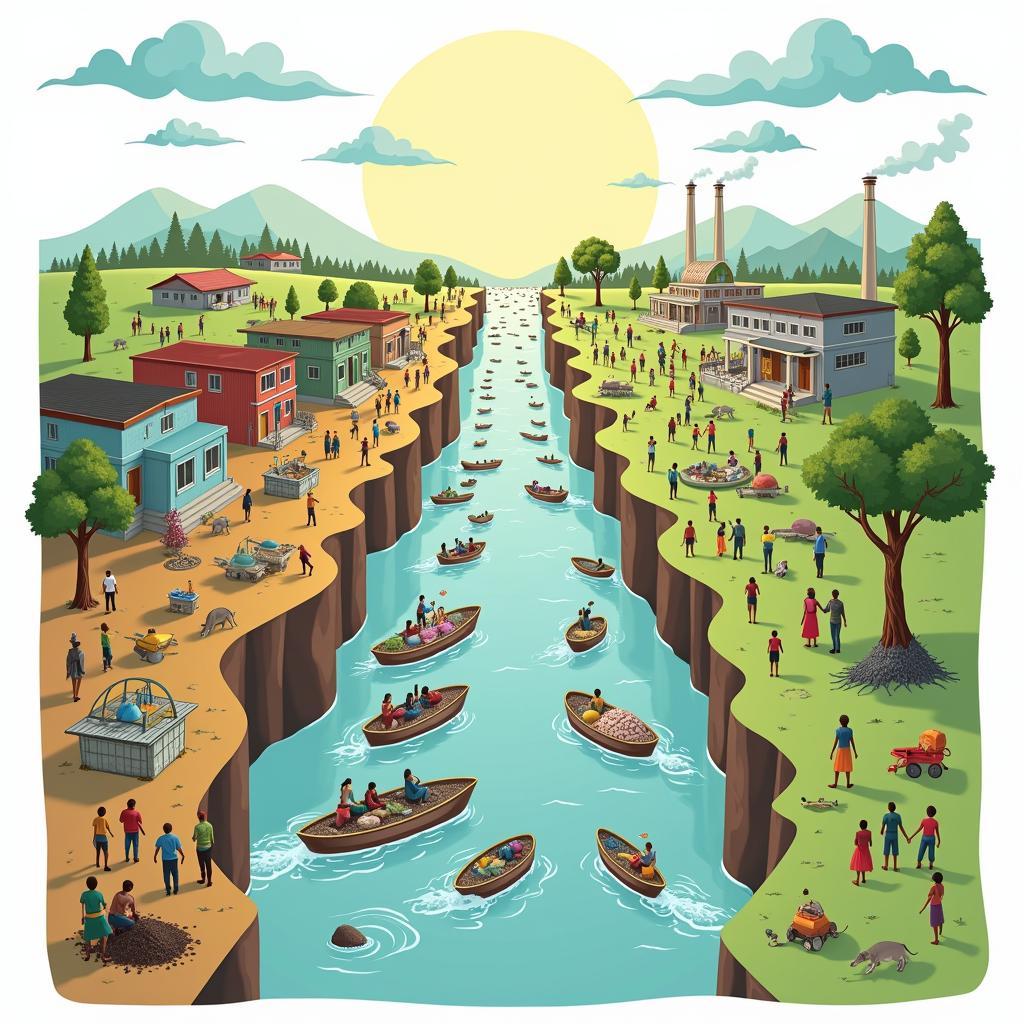 Challenges of Doi Moi policy
Conclusion
Doi Moi has brought about significant achievements in Vietnam but also presents challenges that need to be addressed to ensure sustainable development. Vietnam must continue to improve its institutions, enhance management capacity, and strengthen anti-corruption efforts to maximize opportunities and overcome difficulties in the process of international integration. For further policy insights, refer to the policy brief recommendations.
FAQ
- When did Doi Moi begin? (1986)
- What was the main goal of Doi Moi? (Economic development and improved living standards)
- Which areas did Doi Moi focus on? (Economy, agriculture, and foreign affairs)
- What is the most notable achievement of Doi Moi? (High economic growth and poverty reduction)
- What is the biggest challenge of Doi Moi? (Social inequality, environmental pollution, and corruption)
- How does Viettel’s mobile number portability policy relate to Doi Moi? (Not directly related, but reflects the development and competition in the telecommunications market, a result of Doi Moi)
- Is the “Via Ian” policy part of Doi Moi? Via Ian policy (No, this is a completely different issue.)
For assistance, please contact us at Phone: 0968239999, Email: [email protected], or visit our address: No. TT36 – CN9 Road, Tu Liem Industrial Park, Phuong Canh Ward, Nam Tu Liem District, Hanoi. We have a 24/7 customer support team.









