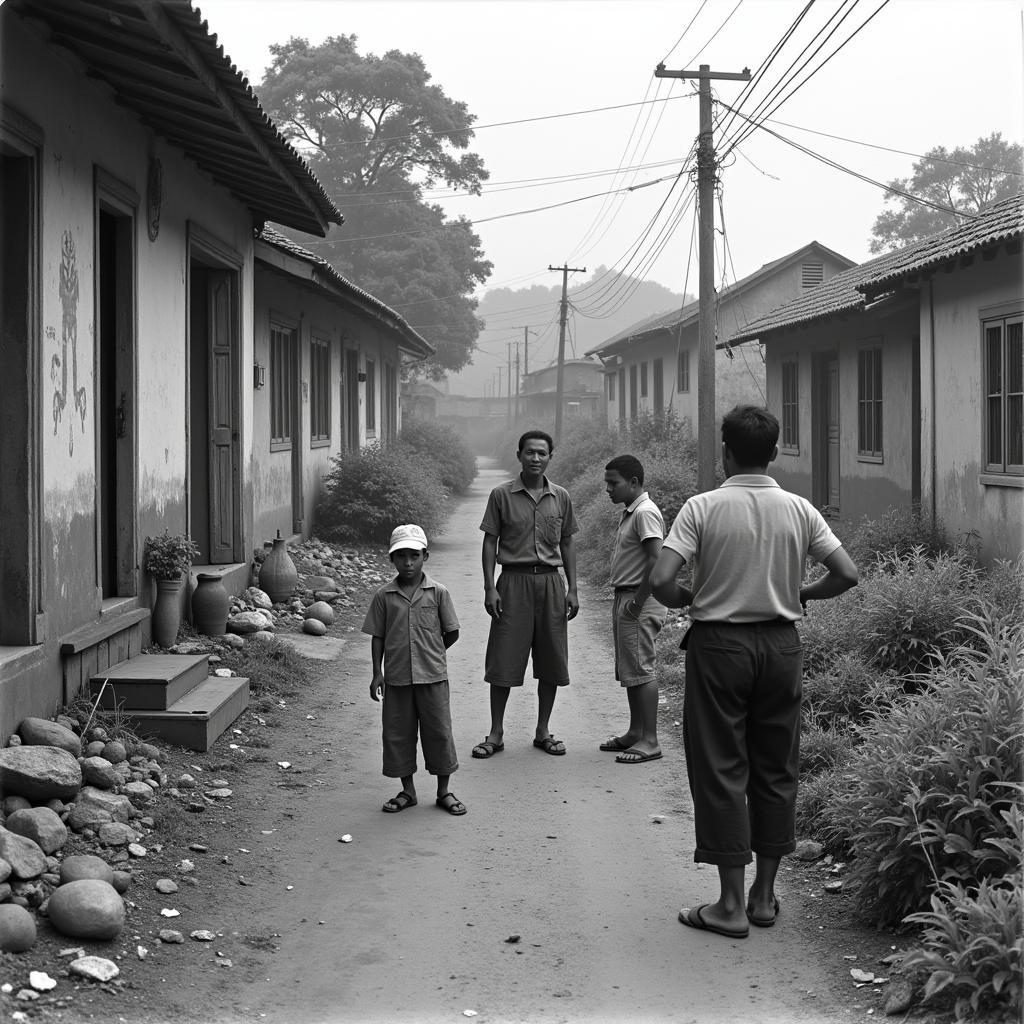
French colonial rule in Vietnam imposed numerous agricultural policies that had devastating consequences for the economy and the lives of the Vietnamese people. Which of these policies left the most significant mark and what was its impact?
Impact of French Colonial Agricultural Policies
French agricultural policies primarily focused on resource extraction and serving the interests of France. Vietnam was transformed into a supplier of raw materials for French industries and a market for manufactured goods. This led to the decline of traditional agriculture and dependence on the French economy.
The Plantation System
One of the most prominent policies was the establishment of vast plantations focused on cash crops like rubber, coffee, and tea. The French expropriated land from farmers, forcing them to work for low wages and endure harsh labor conditions. The emphasis on cash crops reduced rice cultivation, leading to frequent famines.
Oppressive Taxation
In addition to land expropriation, the French imposed a heavy tax burden on farmers. Taxes on individuals, land, and agricultural products left farmers impoverished, unable to make a living, and trapped in debt. This further exacerbated rural poverty. Similar to the Scorched Earth Policy, the French taxation policies also had devastating consequences.
Consequences of French Agricultural Policies
French agricultural policies had severe consequences for Vietnam’s economy and society. Agriculture was devastated, farmers were impoverished, and famines became commonplace. This injustice and oppression fueled Vietnamese resistance and contributed to the national liberation movement.
Consequences of French colonial agricultural policies
The Most Impactful Policy
Arguably, the plantation system was the most impactful of all French agricultural policies. Land expropriation, labor exploitation, and the focus on cash crops disrupted traditional agricultural structures, caused famines, and weakened the rural economy. This was similar to the NEP economic policy, both aimed at maximizing the exploitation of colonial resources.
Frequently Asked Questions about French Colonial Agricultural Policies:
- What was the plantation system?
- How did taxation policies impact farmers?
- How did French agricultural policies contribute to the national liberation movement?
- What other policies besides plantations and taxation did the French implement in agriculture?
- Were there differences in agricultural policies between Tonkin, Annam, and Cochinchina?
- How did French colonial agricultural policies influence modern Vietnamese agriculture?
- Are there any resources for further research on French colonial agricultural policies?
Conclusion
French colonial agricultural policies left a profound impact on Vietnam. Understanding these policies helps us appreciate the importance of national independence and the need for a self-sufficient and sustainable agricultural sector. You can also learn more about livestock farmer support policies to see the difference in the current government’s approach.
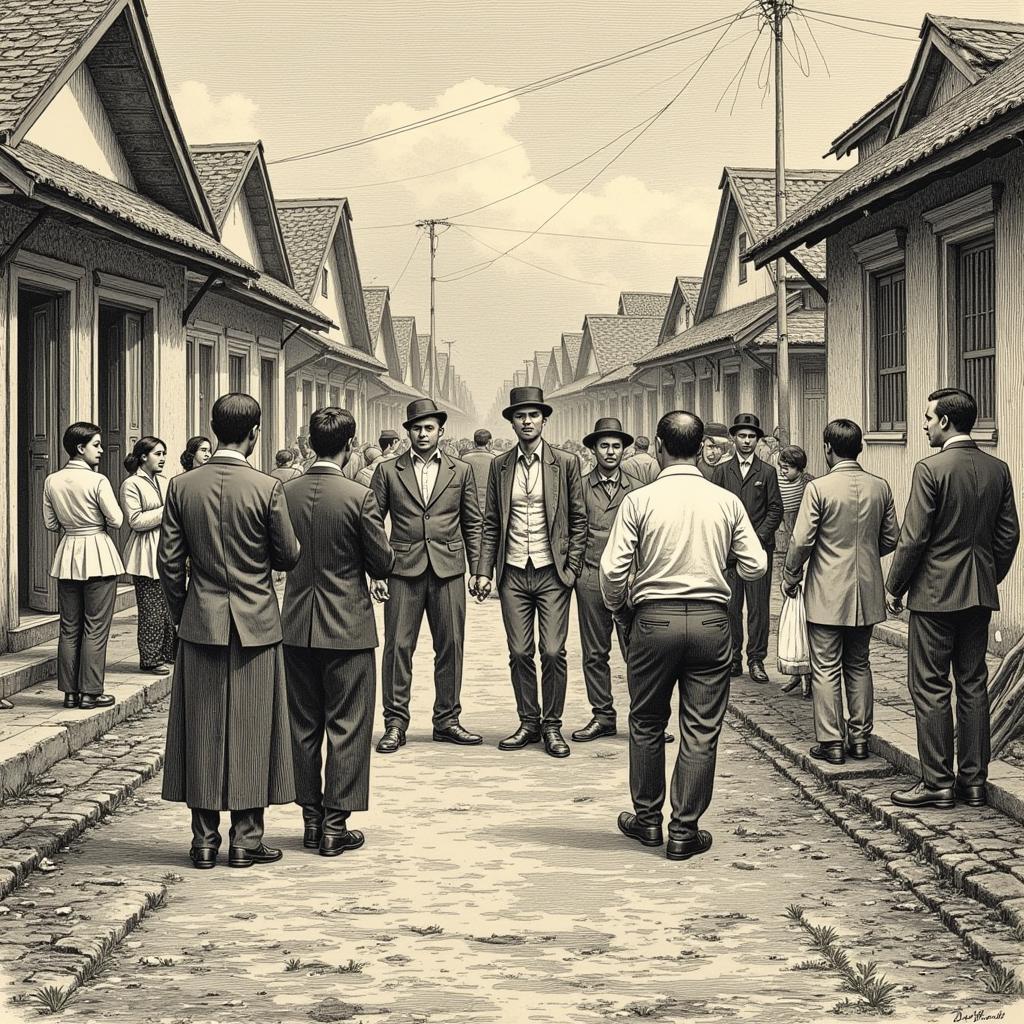 French colonial tax policies
Interested in learning about policy loans? Find more information on our website. Feudal policies are also an interesting topic to compare with French colonial policies.
For assistance, please contact us by phone: 0968239999, Email: [email protected] or visit our address: No. TT36 – CN9 Road, Tu Liem Industrial Park, Phuong Canh Ward, Nam Tu Liem District, Hanoi. We have a 24/7 customer service team.