Evaluating the impact of poverty reduction policies is crucial for understanding the effectiveness of programs and interventions. This assessment helps identify what works well, what needs improvement, and how to utilize resources most effectively to support vulnerable populations.
The Importance of Evaluating Poverty Reduction Policies
Evaluating the impact of poverty reduction policies goes beyond simply measuring the number of people escaping poverty. It involves examining various aspects of life, such as health, education, housing, and employment opportunities. This provides a comprehensive understanding of the policy’s impact and ensures it genuinely improves people’s quality of life.
Methods for Evaluating Poverty Reduction Policies
Several methods exist for evaluating the impact of poverty reduction policies. Some common approaches include:
- Quantitative Analysis: Utilizing numerical data to measure changes in socioeconomic indicators.
- Qualitative Analysis: Employing methods like interviews and focus group discussions to gain deeper insights into people’s experiences and perspectives.
- Mixed Methods: Combining both quantitative and qualitative analysis to obtain a more holistic view.
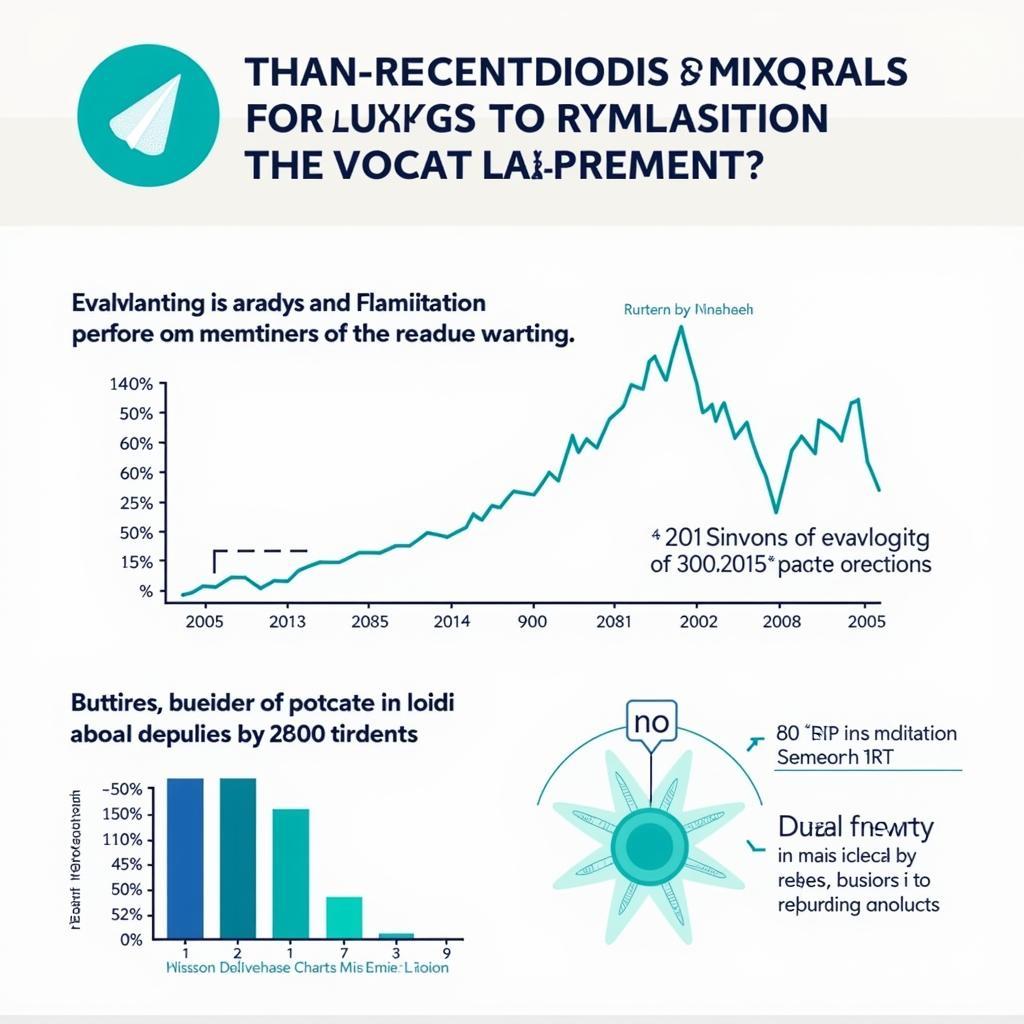
Quantitative analysis in poverty reduction policy impact evaluation
Challenges in Evaluating Poverty Reduction Policies
Evaluating the impact of poverty reduction policies often encounters challenges, including:
- Data Collection: Gathering reliable and comprehensive data can be difficult, especially in remote areas.
- Data Analysis: Analyzing complex data requires specialized expertise.
- External Factors: External factors like climate change and natural disasters can influence policy outcomes.
Overcoming Challenges in Evaluating Poverty Reduction Policies
To overcome these challenges, it’s necessary to:
- Invest in Data Collection Systems: Establish robust and reliable data collection systems.
- Build Capacity: Train personnel with expertise in data analysis and policy evaluation.
- Foster International Collaboration: Share experiences and learn from other countries.
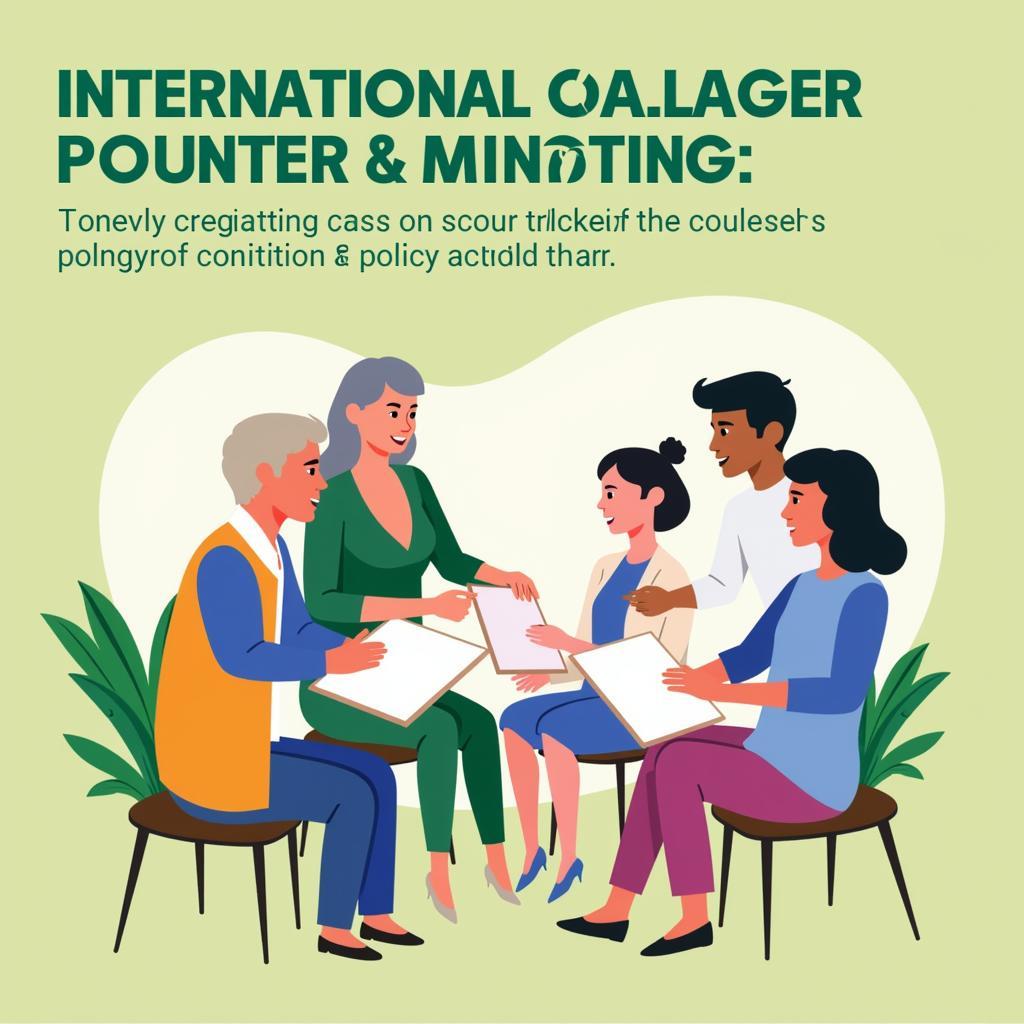 International collaboration in overcoming challenges in poverty reduction policy evaluation
Impact of Poverty Reduction Policies on Economic Sectors
Poverty reduction policies impact various economic sectors, including agriculture, industry, and services. Supporting access to resources and economic opportunities for the poor can stimulate economic growth and create jobs.
Nguyen Van A, an economist at the Institute of Socio-Economic Research, stated: “Effective poverty reduction policies not only reduce poverty rates but also contribute to the country’s sustainable development.”
Evaluating the Impact of Poverty Reduction Policies on Economic Growth
Assessing the impact of poverty reduction policies on economic growth is a crucial part of the evaluation process. Studies indicate that investing in education, healthcare, and infrastructure can generate positive spillover effects on the economy.
Tran Thi B, Director of the Center for Social Development Research, shared: “Investing in people is investing in the future. Poverty reduction policies should focus on enhancing capabilities and creating opportunities for the poor.”
Conclusion
Evaluating the impact of poverty reduction policies is a complex but essential process. This assessment provides vital information for improving program effectiveness and ensuring resources are used efficiently to support vulnerable populations. Evaluating the impact of poverty reduction policies is key to building an equitable and prosperous society.
FAQ
- How can the effectiveness of poverty reduction policies be evaluated?
- What indicators are used to measure poverty levels?
- What is the role of the community in evaluating poverty reduction policies?
- What are the main challenges in implementing poverty reduction policies?
- How can the sustainability of poverty reduction programs be ensured?
- What is the impact of climate change on poverty reduction policies?
- What lessons can be learned from other countries’ experiences in poverty reduction?
Other Questions
- Which truck best suits my cargo transportation needs?
- Comparison of 1-ton, 2-ton, and 3.5-ton trucks?
For assistance, please contact us at Phone: 0968239999, Email: [email protected] or visit us at: TT36 – CN9 Road, Tu Liem Industrial Park, Phuong Canh Ward, Nam Tu Liem District, Hanoi. We have a 24/7 customer service team.