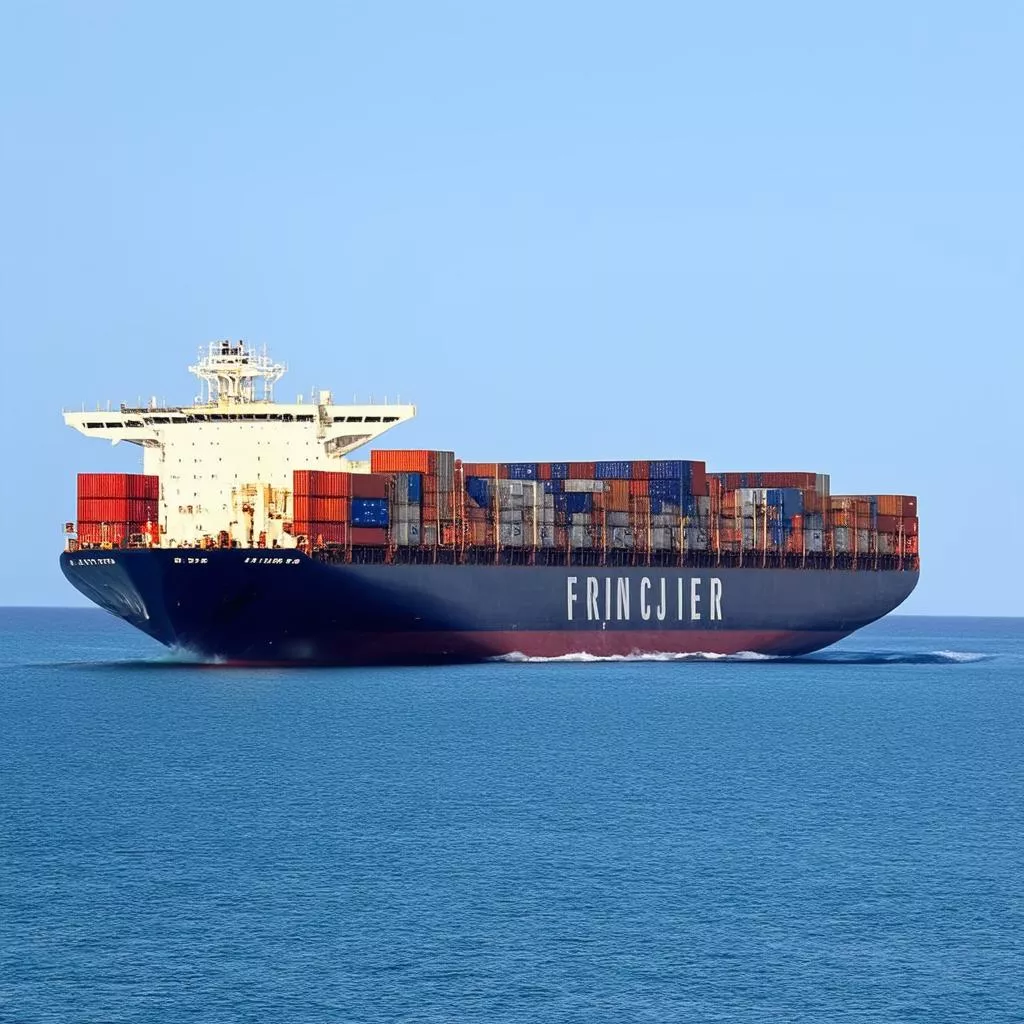
Have you ever stood before a massive ship docked at a harbor and wondered, “How could something so colossal be built?” Or perhaps, “Is there a ‘birth certificate’ that records all the information about this vessel?” The answer is yes! It’s called a ship’s specifications, a crucial system of information that helps us understand these maritime giants.
The Significance of Ship Specifications
A ship’s specifications are more than just dry numbers; they tell the story of a vessel’s birth, journey, and purpose. Like a birth certificate, they record comprehensive information about the ship’s “identity,” from its dimensions and cargo capacity to engine power and equipment.
From a Technical Perspective: Ship specifications are the guiding principles for designing, building, repairing, and operating vessels. Engineers and captains rely on these figures to ensure safe and efficient operation at sea.
From an Economic Perspective: Ship specifications indicate cargo carrying capacity, passenger capacity, operating range, and other factors that determine the economic value and operational efficiency of the vessel.
From a Spiritual Perspective: In many cultures, each ship is believed to possess a unique spirit. Naming ceremonies, launch dates, and even paint colors are carefully considered based on feng shui and spiritual elements to ensure good luck and smooth sailing.
Unraveling the Secrets of Ship Specifications
So, what information do ship specifications encompass?
1. Dimensions and Capacity
These are the most fundamental parameters, revealing the ship’s “physique” and “strength.”
- Length Overall (LOA): The maximum distance from the bow to the stern.
- Beam: The maximum width of the ship.
- Draft: The vertical distance from the waterline to the lowest point of the hull.
- Deadweight Tonnage (DWT): The total weight a ship can carry, including cargo, fuel, fresh water, and crew.
- Gross Tonnage (GT): The total enclosed volume of the ship, measured in register tons.
2. Propulsion System
- Engine Power: Measured in horsepower (HP) or kilowatts (kW), representing the engine’s strength and directly influencing the ship’s speed.
- Fuel Type: Can be diesel, heavy fuel oil, liquefied natural gas (LNG), etc.
3. Equipment
- Navigation and Guidance Systems: Radar, sonar, GPS, etc., assist the captain in determining position, course, and avoiding collisions at sea.
- Communication Equipment: Radio and satellite systems enable communication with land and other vessels.
- Specialized Equipment: Depending on its purpose, a ship may be equipped with cranes, refrigerated holds, storage tanks, etc.
4. Other Specifications
- Year of Build: Indicates the ship’s age.
- Flag State: Identifies the country where the ship is registered.
- Ship Name: Each vessel has a unique name, often with historical, cultural, or aspirational significance.
The Story Behind Ship Specifications
Imagine you’re a rice exporting company needing to transport a large shipment to Europe. Ship specifications become crucial in selecting the most suitable vessel.
You’ll need a ship with sufficient deadweight tonnage to accommodate the rice, a cargo hold system to ensure grain quality during the long voyage, and adequate speed for timely delivery.
Ship specifications are the key to making informed decisions and optimizing your business’s economic efficiency.
Cargo ship at sea
Frequently Asked Questions about Ship Specifications
1. How can I look up the specifications of a particular ship?
Numerous websites and applications allow you to search for ship specifications using the vessel’s name, IMO (International Maritime Organization) number, or MMSI (Maritime Mobile Service Identity).
2. What do the abbreviations on a ship’s hull mean?
- GT (Gross Tonnage): Gross tonnage.
- NT (Net Tonnage): Net tonnage.
- DWT (Deadweight Tonnage): Deadweight tonnage.
- LOA (Length Overall): Length overall.
- LBP (Length Between Perpendiculars): Length between perpendiculars.
- B (Beam): Beam.
- Draft: Draft.
3. Do ship specifications have any influence on feng shui?
In feng shui, a ship’s dimensions, colors, and even its identification number can impact the vessel’s and owner’s fortune. For instance, the number 8 is considered lucky, symbolizing growth and prosperity.
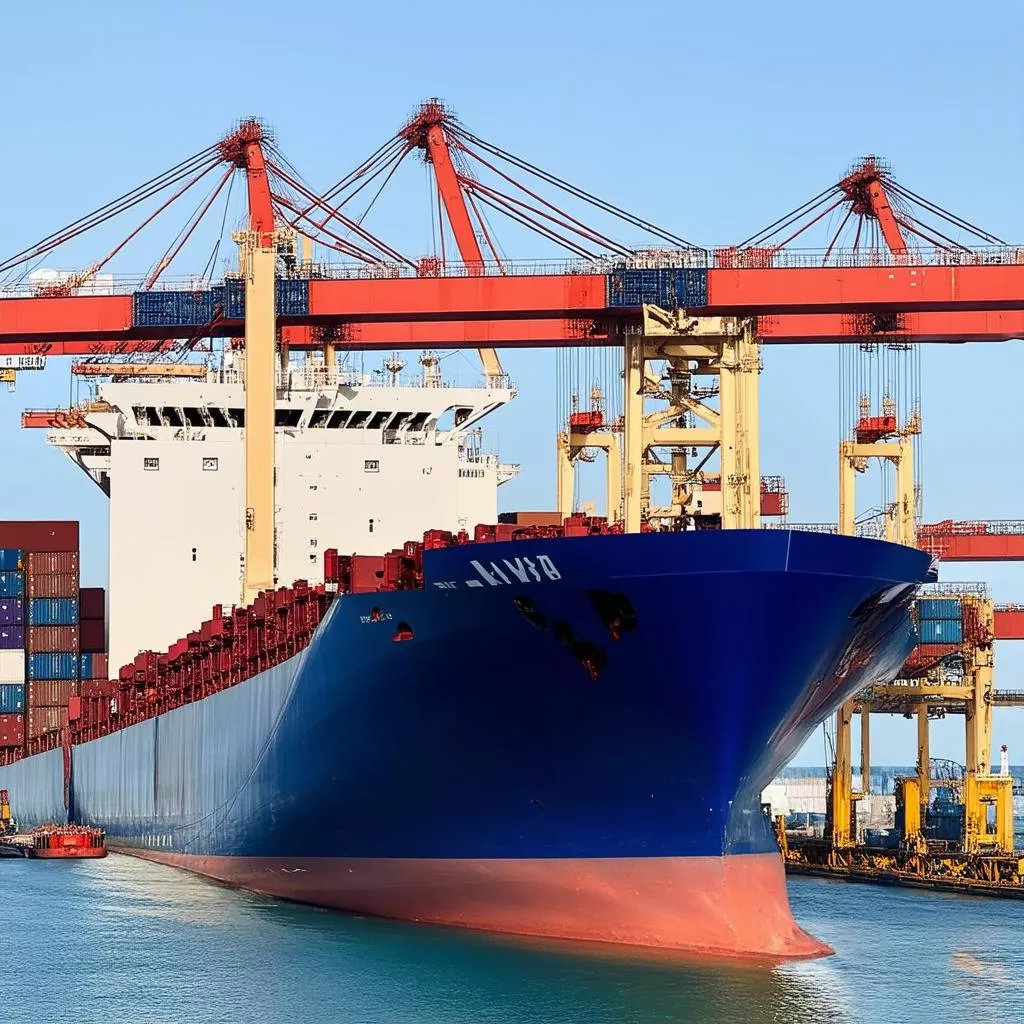 Container ship docked at port
Want to Learn More About the World of Ships?
Visit these related articles on our website:
- Ship Technical Specifications
- Specifications of Coast Guard Ship 4038
- Technical Specifications of Ships
Conclusion
Ship specifications are a vital information system that helps us understand the “soul” of these maritime giants.
Want to explore the fascinating world of ships further? Leave a comment, share this article, or contact us with any questions!
XE TẢI HÀ NỘI Dealership is always ready to assist you 24/7!
Hotline: 0968 239 999









