
Vietnam’s automotive industry has journeyed through a long and dynamic evolution, from its humble beginnings to its current robust growth. This article explores the key milestones in the history of Vietnam’s automotive sector, from the introduction of the first vehicles to the booming modern car market.
The Early Years: First Steps
Before 1954, the Vietnamese automotive industry was virtually nonexistent. A few imported vehicles served the needs of the elite and the government. After 1954, North Vietnam began developing heavy industry, including automobile assembly. The Soviet GAZ-51 trucks became a symbol of this era. Vietnamese automotive companies started to emerge, laying the foundation for future growth.
GAZ-51 truck in North Vietnam
The Development Phase: From Assembly to Production
The period from 1975 to the 1990s marked a significant turning point for Vietnam’s automotive industry. Collaboration with Eastern European countries enabled Vietnam to assemble and produce some truck and car models. However, due to subsidies and technological limitations, the industry’s growth remained constrained. Automatic car driving licenses began to be issued, meeting the growing demand of the population.
“During this period, the shortage of components and outdated technology were major challenges for the Vietnamese automotive industry,” noted Nguyen Van A, a veteran automotive expert.
The Renovation Era: Integration and Breakthrough
From the 1990s, Vietnam’s open-door policy attracted numerous foreign investors, particularly in the automotive sector. Joint ventures with renowned global automakers like Toyota, Honda, and Ford were established, propelling the Vietnamese automotive industry into a phase of integration and rapid development. Ferrari cars became a symbol of luxury and prestige.
The Modern Era: Reaching for Global Recognition
Today, Vietnam’s automotive industry is thriving, with the participation of many major domestic and international brands. Improving product quality, investing in technology, and developing export markets are crucial objectives for the industry’s future. Truong Hai Auto Corporation (THACO) has affirmed its leading position in the market. “The Vietnamese automotive industry is gradually asserting its position on the global automotive map,” shared Tran Thi B, Marketing Director of a major car manufacturer.
The Future: Electric Vehicles and Autonomous Driving
The future of Vietnam’s automotive industry is intertwined with the development of electric vehicles and autonomous driving technology. Investment in research and development, along with the establishment of suitable infrastructure, will be key to the industry’s continued success. Smart car displays are becoming increasingly popular, reflecting the rapid technological advancements in the automotive field.
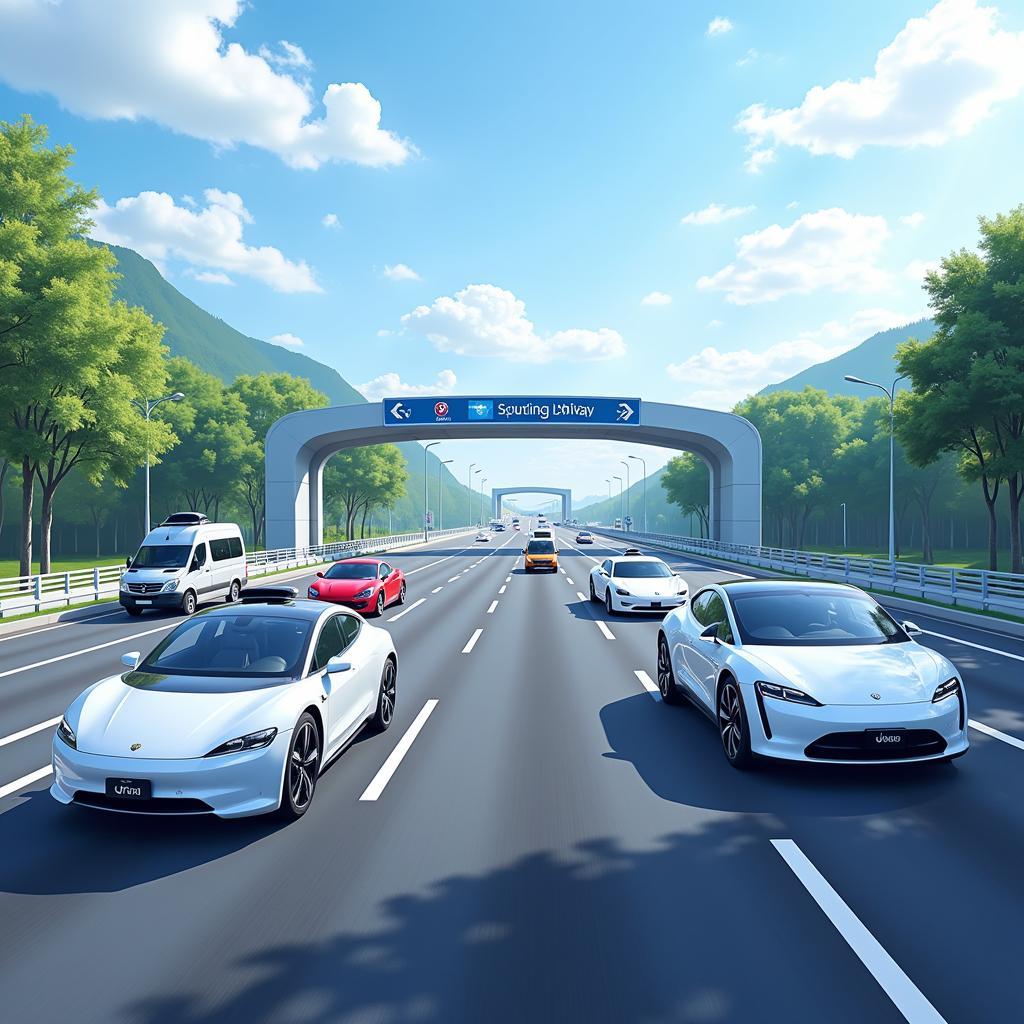 Future of Vietnam's Automotive Industry: Electric Vehicles and Self-Driving Technology
Conclusion
The history of Vietnam’s automotive industry is a journey filled with challenges and triumphs. From its initial tentative steps, the industry has risen strongly, asserting its presence on the international stage. The future promises even greater breakthroughs, driven by technological advancements and emerging trends.
FAQ
- When did the first car appear in Vietnam?
- Which car brands are currently operating in Vietnam?
- What is the growth potential of the Vietnamese car market?
- What are the government’s policies regarding the automotive industry?
- Which trends will shape the future of Vietnam’s automotive industry?
- How to buy a car in Vietnam?
- What are the car registration procedures in Vietnam?
Suggested Questions:
- Do you have questions about box trucks?
- Do you want to learn more about light trucks?
- Are vans suitable for your needs?
Suggested Articles on Our Website:
- Vietnamese Automotive Companies
- Automatic Car Driving License
- Ferrari Cars
- Truong Hai Auto Corporation (THACO)
- Smart Car Displays
For assistance, please contact us by phone: 0968239999, email: [email protected], or visit our address: TT36 – CN9 Road, Tu Liem Industrial Park, Phuong Canh Ward, Nam Tu Liem District, Hanoi. We have a 24/7 customer service team.









