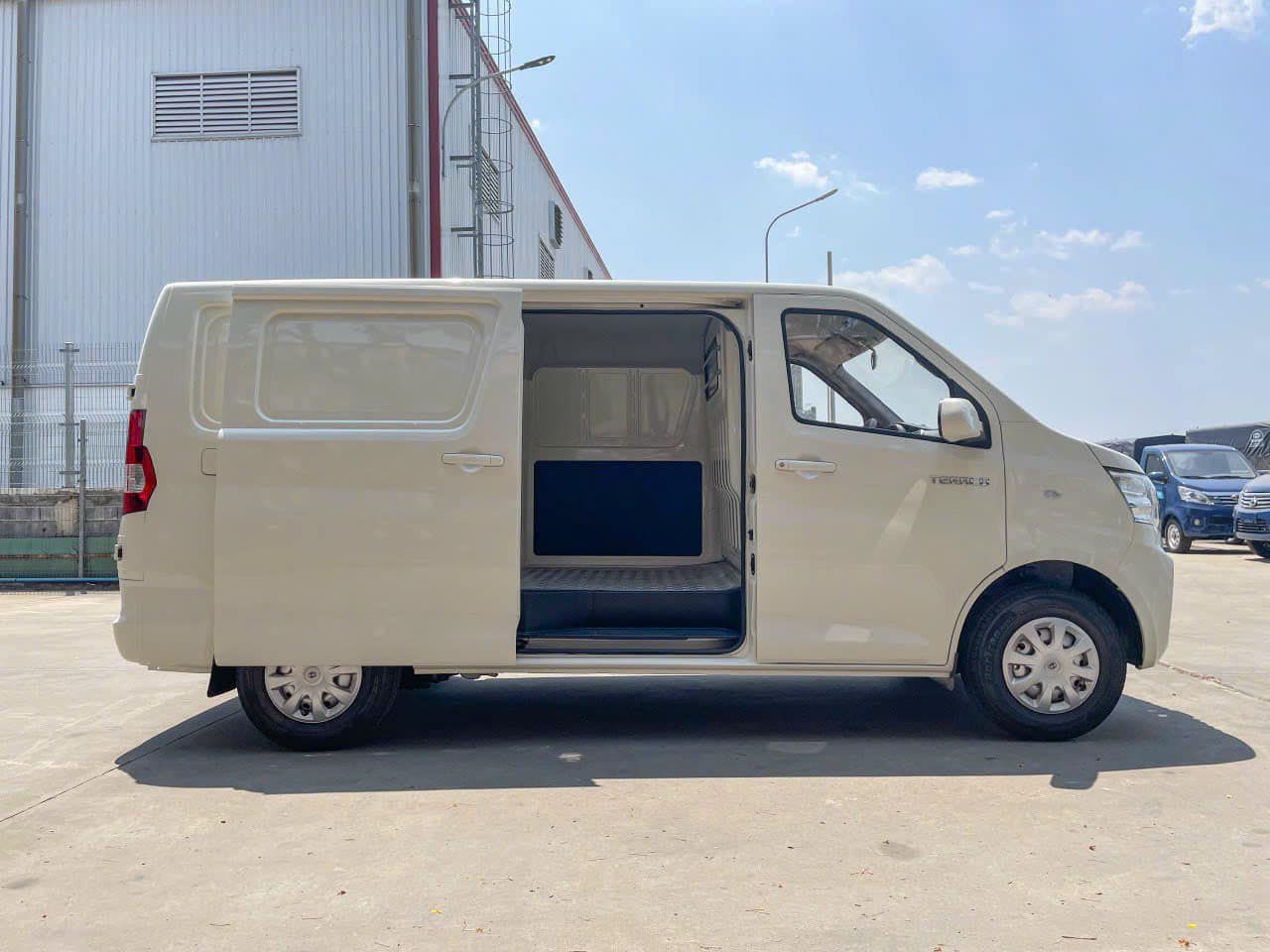
“So close yet so far, out of gas in my car” – a common Vietnamese saying rang true for my friend recently. He was driving his truck from Tu Liem to Son Tay for a delivery. Cruising down Thang Long Highway, his fuel gauge showed half a tank. But before he knew it, the needle plummeted to “E”. Panicked, he pulled over, frantically searching for the nearest gas station. Luckily, Mr. Ba’s repair shop just down the road saved the day. What a close call!
This situation is all too familiar to drivers, especially those who frequently travel long distances in trucks. So, what causes a fuel gauge to malfunction, and how can you fix it? Let’s explore with “XE TẢI HÀ NỘI”!
Why is My Fuel Gauge Inaccurate?
1. Faulty Fuel Level Sensor
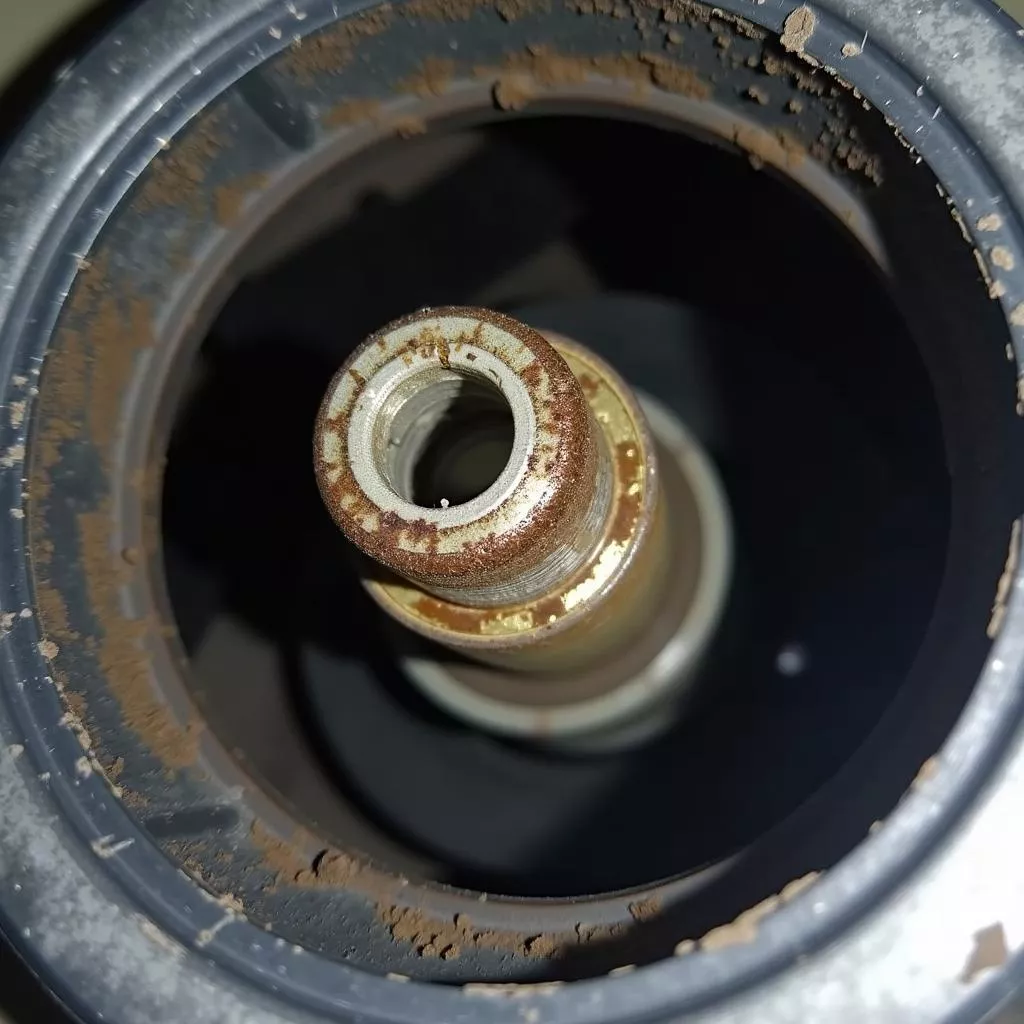
The fuel level sensor (or fuel float) is a crucial component in the fuel system. It measures the fuel level in the tank and sends a signal to the fuel gauge on the dashboard. If the sensor gets stuck, breaks, or suffers an electrical fault, the fuel gauge will provide inaccurate readings, fluctuating erratically or even ceasing to function.
Malfunctioning fuel level sensor
2. Fuel Gauge Malfunction
Besides the fuel sensor, the fuel gauge itself can be the culprit. This issue usually stems from problems with the gauge’s internal circuitry or poor connections between the gauge and other components.
3. Damaged Wiring
The electrical system in a vehicle connects various components, including the fuel sensor and gauge. If wires are broken, frayed, or connectors are loose or corroded, the signal transmission from the sensor to the gauge will be disrupted, causing inaccurate fuel readings.
4. Blown Fuse
Fuses protect electrical circuits from overloads. If the fuse connected to the fuel system blows, the fuel gauge won’t receive signals from the sensor and will display incorrect fuel levels.
How to Fix an Inaccurate Fuel Gauge
1. Inspect and Replace the Fuel Level Sensor
If the fuel level sensor is faulty, it needs to be replaced. This process requires removing the fuel tank, so it’s best to take your vehicle to a reputable repair shop for safety.
2. Repair or Replace the Fuel Gauge
Similar to the fuel sensor, if the fuel gauge is malfunctioning, take your vehicle to a repair shop for repair or replacement.
3. Check and Repair the Wiring
Inspecting and repairing electrical issues requires specialized knowledge. Avoid attempting this yourself without experience. Take your vehicle to a reputable repair shop for proper diagnosis and repair.
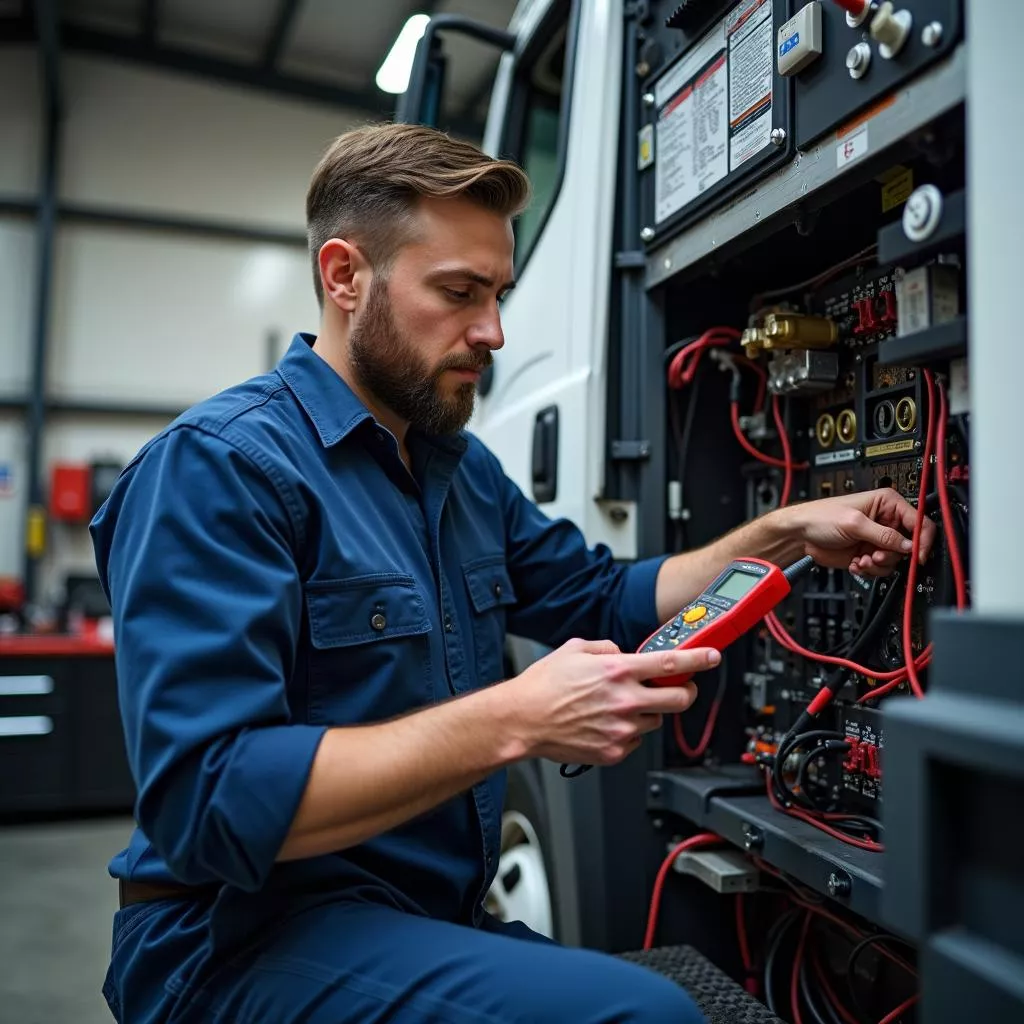 Inspecting and repairing car wiring
4. Replace the Fuse
Fuses are inexpensive and relatively easy to replace yourself. However, you need to identify the correct location and type of fuse before replacing it.
Fuel Sensor Replacement Cost Estimates (Reference)
| Vehicle Type | Sensor Cost (VNĐ) | Labor Cost (VNĐ) | Total Cost (VNĐ) |
|---|---|---|---|
| Light Trucks (1 ton – 2 tons) | 500,000 – 1,000,000 | 200,000 – 500,000 | 700,000 – 1,500,000 |
| Medium Trucks (3.5 tons – 8 tons) | 1,000,000 – 2,000,000 | 500,000 – 1,000,000 | 1,500,000 – 3,000,000 |
Note:
- This table provides estimated costs only. Actual prices may vary depending on the vehicle type, make, model, and repair location.
- For accurate repair costs, take your vehicle to a reputable repair shop for inspection and a detailed quote.
Tips to Prevent Fuel Gauge Problems
- Avoid Running on Empty: Consistently running on empty can damage the fuel sensor by exposing it to sediment at the bottom of the tank.
- Choose Reputable Gas Stations: Fill up at trusted gas stations to avoid low-quality fuel with contaminants that can harm your fuel system.
- Regular Vehicle Maintenance: Regular maintenance helps identify and address potential issues, including fuel gauge problems.
- Listen for Unusual Sounds: If you hear strange noises from the fuel tank while driving, the fuel sensor might be malfunctioning.
Contact “XE TẢI HÀ NỘI” for Assistance
A faulty fuel gauge is not just inconvenient; it can also be dangerous, especially when driving on highways or remote roads. For safety, take your vehicle to a reputable repair shop for prompt inspection and repair.
If you’re having trouble finding a reliable auto repair shop in Hanoi, contact “XE TẢI HÀ NỘI” at 0968239999 or email: [email protected].
Also, check out other helpful articles on our website:
Our experienced technicians at “XE TẢI HÀ NỘI” are available 24/7 to assist you. Visit us at: No. TT36 – CN9 Road, Tu Liem Industrial Zone, Phuong Canh Ward, Nam Tu Liem District, Hanoi for the best service!