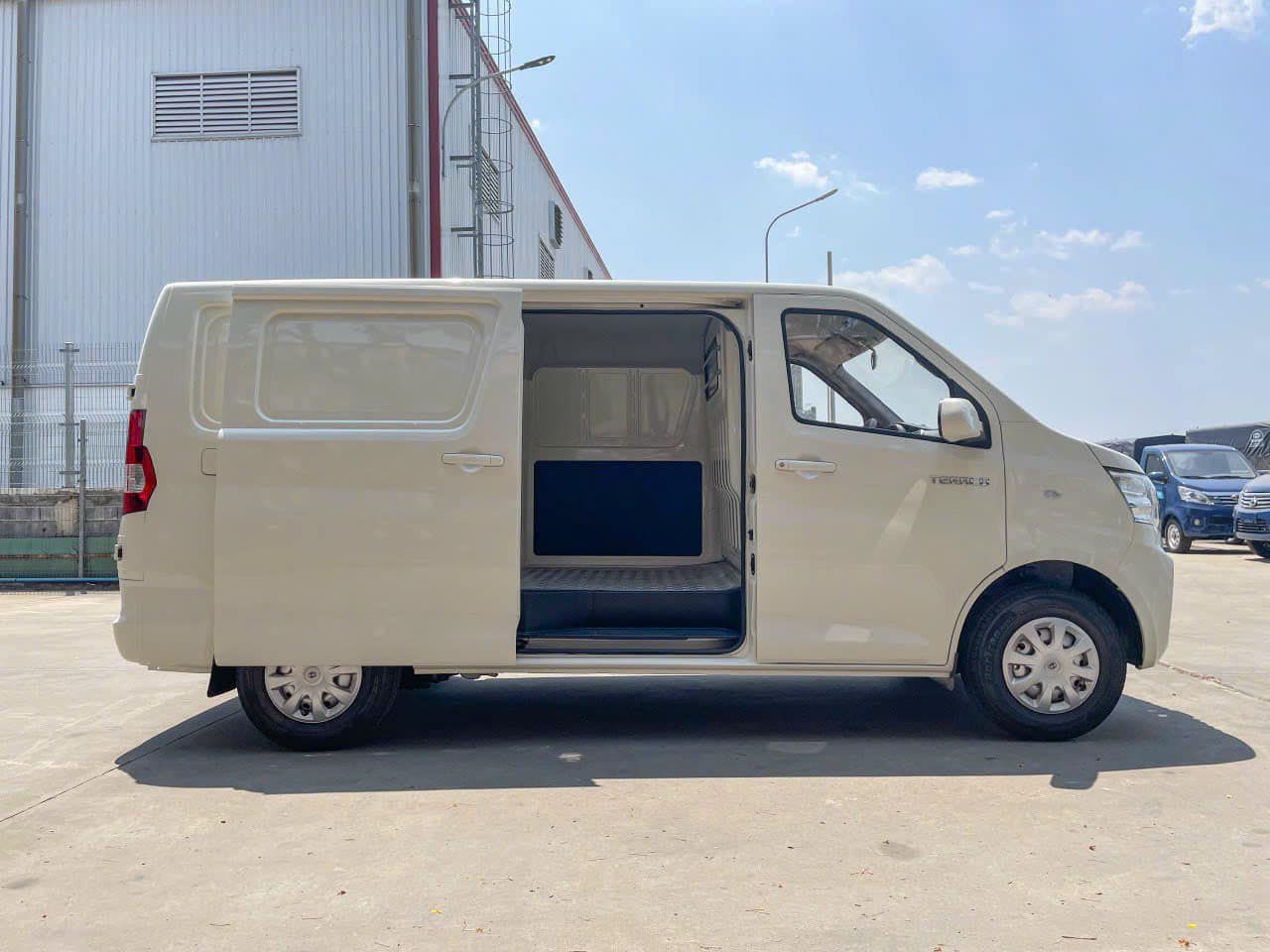
A clear and transparent policy is crucial for the success of any business, especially in the competitive transportation industry. It serves as a guiding principle, directing operations for everyone in the company, from leadership to employees, while building credibility and trust with customers.
Why Are Policies Important for Transportation Businesses?
In the transportation industry, where safety, timeliness, and service quality are paramount, clear policies help:
- Improve Operational Efficiency: All departments and individuals understand their responsibilities and workflows, minimizing errors and increasing productivity.
- Build Credibility and Professionalism: Customers are more confident choosing services from companies with transparent and well-defined policies.
- Mitigate Legal Risks: Policies that comply with legal regulations help businesses avoid disputes and unnecessary risks.
- Attract and Retain Talent: A professional and clear work environment attracts talent, contributing to a strong workforce.
Essential Policies for Transportation Companies
Depending on the size and type of service, each company will need to develop a suitable policy system. However, some fundamental policies are indispensable:
- Transportation Policy: Detailed regulations on types of goods transported, operating areas, delivery times, liability for compensation, etc.
- Pricing Policy: Public and transparent information on service fees, surcharges (if any), and payment methods.
- Cargo Insurance Policy: Clear information on insurance packages, liability coverage, and claim procedures.
- Information Security Policy: Commitment to protecting customer and partner information during transactions and service use.
- Customer Service Policy: Regulations on receiving and processing information, answering questions, and supporting customers.
- Employee Policy: Regulations on recruitment, training, rewards, and discipline to build a professional and dedicated workforce.
The Process of Building Effective Policies
To build effective policies, businesses should follow a systematic process:
- Research and Analysis: Understand the current situation of the business, the market, competitors, and customer needs.
- Planning: Define the objectives, scope of application, and subjects governed by each policy.
- Drafting: Use clear, concise, and easy-to-understand language, ensuring legal compliance and alignment with company culture.
- Discussion and Feedback: Gather input from relevant departments and employees to refine the policies.
- Issuance and Dissemination: Issue official documents and organize training for employees on the content and application of the policies.
- Evaluation and Adjustment: Periodically assess the effectiveness of implementation and make timely revisions and additions as needed.
Important Considerations When Building Policies
- Ensure Feasibility: Policies should align with the resources and capabilities of the business, avoiding unrealistic goals.
- Clarity and Ease of Application: Use simple and understandable language, avoiding complex technical terms.
- Flexibility: Policies should be adaptable to changes in the market.
- Transparency: Publicly disclose policies on the website and at business locations for easy customer access.
Conclusion
Building a comprehensive policy framework is a crucial strategic task that contributes to a professional image and enhances competitiveness for transportation companies. By investing time and effort in developing a well-structured policy system, businesses create a solid foundation for sustainable development.
Frequently Asked Questions
1. Do newly established businesses need to build policies immediately?
Answer: Even for startups, establishing policies from the outset helps shape operations in a structured and professional manner, building credibility with customers and partners.
2. How can we ensure that policies are widely disseminated to all employees?
Answer: Combine various methods such as organizing training sessions, printing manuals, posting on internal systems, and providing regular reminders.
3. How often should policies be reviewed and adjusted?
Answer: Depending on the specific circumstances, policies should be reviewed and updated at least once a year or when significant changes occur in legislation or the market.
Need Assistance?
For more detailed advice on our transportation services and policies, please contact us:
Phone Number: 0968239999 Email: [email protected] Address: No. TT36 – CN9 Road, Tu Liem Industrial Zone, Phuong Canh Ward, Nam Tu Liem District, Hanoi.
The XE TẢI HÀ NỘI customer service team is always available to assist you 24/7!