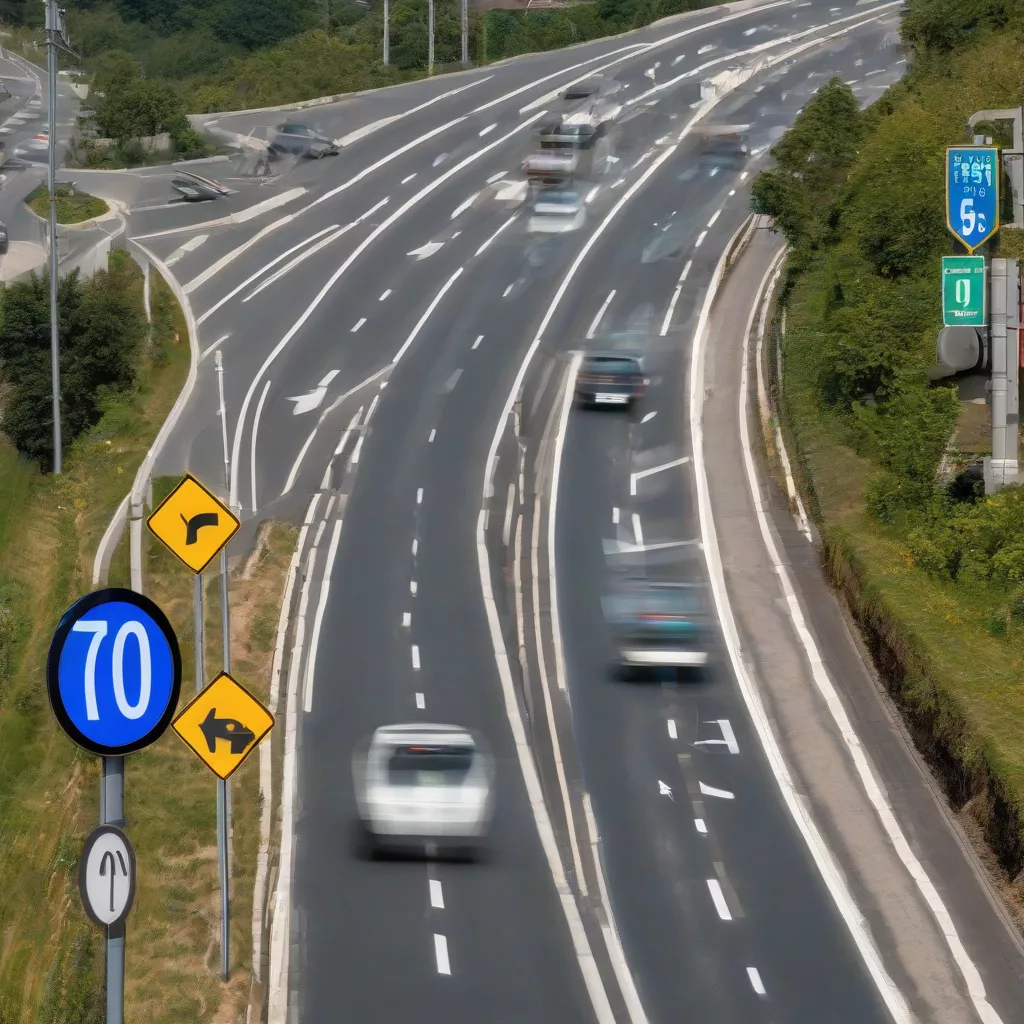
A truck driver friend of mine, specializing in hauling construction materials in Hanoi with his Hyundai truck, once nearly lost everything due to speeding and reckless driving. He had a rush delivery from the Thaco Trường Hải dealership on Giải Phóng Street to a customer in Hàng Gai Street, Hoàn Kiếm District, right before rush hour. Eager to make it on time, he ran a red light and overtook another vehicle without properly checking. Consequently, he was pulled over by traffic police, received a hefty fine, and had his truck driving license suspended for months. Since then, he’s learned his lesson about prioritizing safety over speed and strictly adheres to truck speed limits for everyone’s well-being.
So, what are the latest truck speed limits in Vietnam? Let’s delve into the details with XE TẢI HÀ NỘI in this comprehensive guide!
Vietnam Truck Speed Limits: A to Z
1. The Importance of Understanding Speed Limits
Understanding truck speed limits is crucial not only for avoiding costly violations and ensuring the safety of yourself and others but also for prolonging the lifespan of your truck. Driving at appropriate speeds allows the engine to operate efficiently, reducing the risk of damage and saving fuel.
Speed limits for different vehicle types
2. Latest Truck Speed Limit Table
| Road Type | Passenger Cars | Trucks | Buses |
|---|---|---|---|
| Urban Roads | 50 – 70 km/h | 40 – 60 km/h | 40 – 60 km/h |
| National Highways | 80 – 100 km/h | 60 – 80 km/h | 60 – 90 km/h |
| Expressways | 100 – 120 km/h | 80 – 90 km/h | 80 – 100 km/h |
Note:
- The maximum permitted speed also depends on specific road sections, traffic signs, and weather conditions.
- When driving in densely populated areas, near schools, hospitals, etc., drivers should reduce speed and proceed slowly for safety.
- Never operate a truck under the influence of alcohol or other intoxicating substances.
3. Consequences of Speeding Violations
According to the 2008 Road Traffic Law, penalties for speeding violations are as follows:
- Exceeding the speed limit by 5 km/h to under 10 km/h: Fine from 800,000 VND to 1,200,000 VND.
- Exceeding the speed limit by 10 km/h to under 20 km/h: Fine from 3,000,000 VND to 5,000,000 VND, and driver’s license suspension from 1 to 3 months.
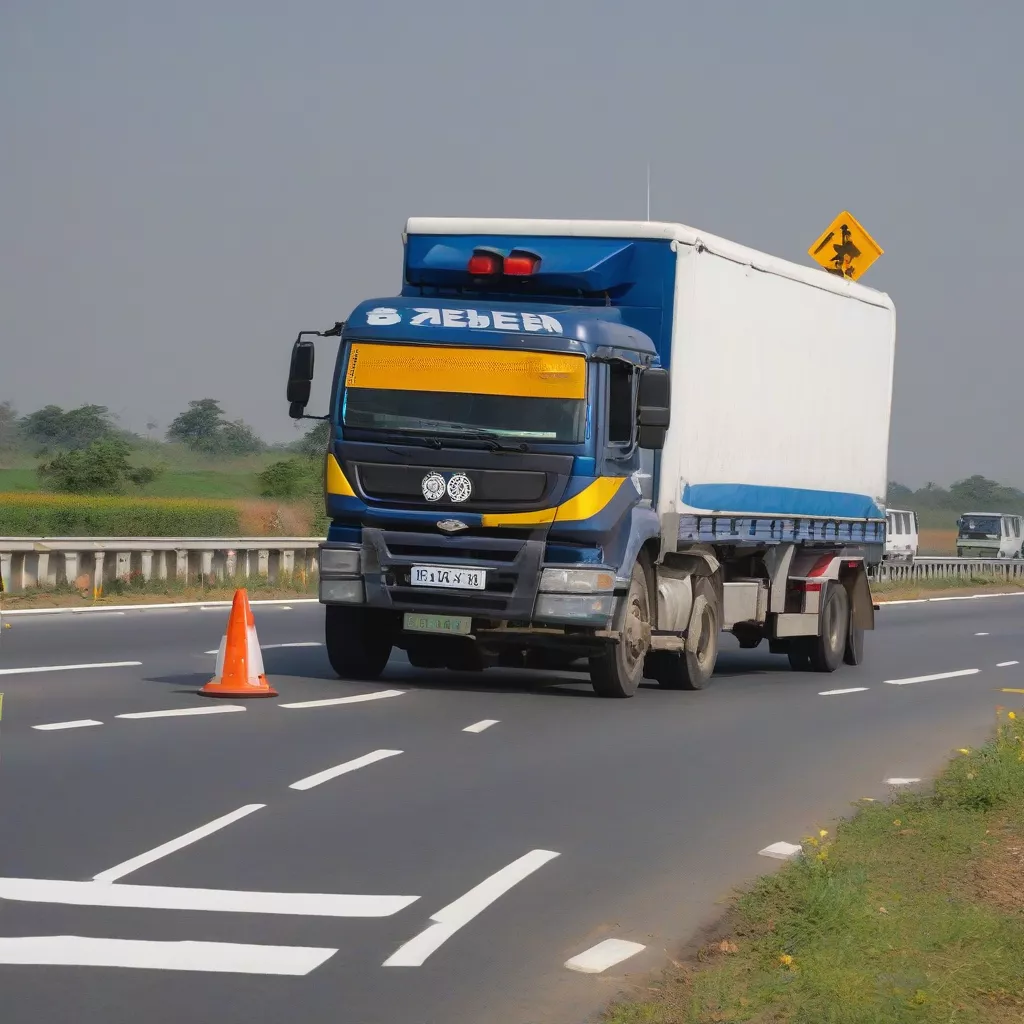 Truck fined for speeding
In addition to the penalties above, speeding can lead to severe consequences such as traffic accidents, causing injury and property damage.
Frequently Asked Questions about Truck Speed Limits
1. Can heavy trucks travel at the maximum permitted speed?
According to Mr. Nguyễn Văn A, an expert from the Vietnam Automobile Transportation Association, heavy trucks should reduce their speed compared to unloaded trucks for safety reasons. Specifically, the maximum permitted speed for heavy trucks is often 10-20 km/h lower than that of unloaded trucks, depending on the load and road type.
2. What speed precautions should truck drivers take in bad weather?
During rain, when roads are slippery and visibility is limited, drivers should reduce speed, maintain a safe distance from the vehicle ahead, and turn on hazard lights for safety.
Conclusion
Truck speed limits are established to ensure the safety of road users and minimize accidents. We hope this article has provided you with useful information about road traffic laws related to speed.
Always be a responsible driver, obey traffic laws, and drive safely!
Do you have any other questions about truck speed limits? Leave a comment below and XE TẢI HÀ NỘI will answer them!
Don’t forget to visit xetaihanoi.edu.vn for more useful information about trucks!









