Have you ever wondered about the immense potential of Vietnam’s seas and islands, often referred to as a “golden goose”? In 2016, Vietnam’s maritime economy recorded impressive figures, opening a promising new chapter for the country’s development. Let’s explore the highlights of Vietnam’s maritime economy in 2016 and the vast potential we hold!
Significance of the Inquiry
“Vietnam’s maritime economic data in 2016” is a meaningful query, reflecting the interest of citizens and investors in the development potential of the maritime economy.
- From a psychological perspective: The question expresses curiosity and a desire to understand the current situation and effectiveness of the maritime economy, while reflecting the belief in the crucial role of seas and islands in socio-economic development.
- From a professional perspective: The question relates to the field of economics, particularly maritime economics, contributing information on important indicators and data, supporting the formulation of policies and strategies for sustainable development of the sector.
- From an economic perspective: The question demonstrates the interest of investors in the maritime economic market, helping them make effective investment decisions and exploit the sector’s potential.
Answer: A Vibrant Maritime Economic Landscape
In 2016, Vietnam’s maritime economy achieved encouraging results, reflected in various key economic indicators. According to the Report of the Ministry of Agriculture and Rural Development, the total GDP of the maritime economy reached approximately 100 billion USD, accounting for about 40% of the national GDP.
Highlights of the Maritime Economy
- Fisheries: Fishing productivity grew steadily, with a total catch of over 7 million tons, contributing significantly to the national GDP. Promoting aquaculture, especially shrimp farming, helped increase product value and expand export markets.
- Marine Tourism: The number of tourists visiting Vietnam continued to increase, especially for coastal tourism, driving economic development in coastal localities.
- Oil and Gas Exploration: Offshore oil and gas exploration activities continued to develop steadily, contributing to increased state budget revenue.
- Maritime Transport: Vietnam enjoys a favorable geographical location with a long coastline and an upgraded seaport system, playing a crucial role in transshipment within Southeast Asia.
Vietnam's Seas and Islands: Majestic Beauty, Development Potential
Untapped Potential Awaits
Beyond the achieved results, Vietnam’s maritime economy still holds vast untapped potential.
- Marine Energy Development: With abundant potential in wind, solar, and wave energy, Vietnam can develop the marine energy sector, contributing to national energy security and reducing greenhouse gas emissions.
- Marine Mineral Exploitation: Vietnam’s seas contain various valuable minerals such as oil and gas, white sand, and construction stones. The rational exploitation of these resources will bring significant economic benefits.
- Marine Industry Development: Vietnam can promote the development of seafood processing, shipbuilding, ship repair, and marine mineral exploitation and processing industries, creating more jobs, income, and economic growth.
Challenges to Overcome
Besides the vast potential, Vietnam’s maritime economy also faces numerous challenges, including:
- Marine Pollution: Due to uncontrolled production and exploitation activities, marine pollution is increasing, affecting marine life and human health.
- Climate Change: Global climate change has and is causing negative impacts on the marine environment, increasing the risk of natural disasters, and affecting production and business activities.
- Intense Competition: In the context of international economic integration, Vietnam’s maritime economy faces fierce competition from countries in the region and globally.
Recommendations
To effectively exploit the potential of the maritime economy, Vietnam needs to:
- Invest in infrastructure development: Invest in upgrading the seaport system, waterway transport, develop exploitation and processing technologies, and enhance the sector’s competitiveness.
- Implement sustainable marine resource management: Apply measures to protect the marine environment, exploit marine resources rationally, and develop the maritime economy towards sustainability.
- Enhance scientific and technological capacity: Invest in research and application of advanced technologies in seafood exploitation, processing, and preservation, promoting the development of a high-tech maritime economy.
Suggested Related Questions
- Vietnam’s Maritime Economy in 2016: What were the notable achievements?
- Challenges and opportunities for Vietnam’s maritime economy in the future?
- The role of policy in the development of Vietnam’s maritime economy?
Suggested Related Products
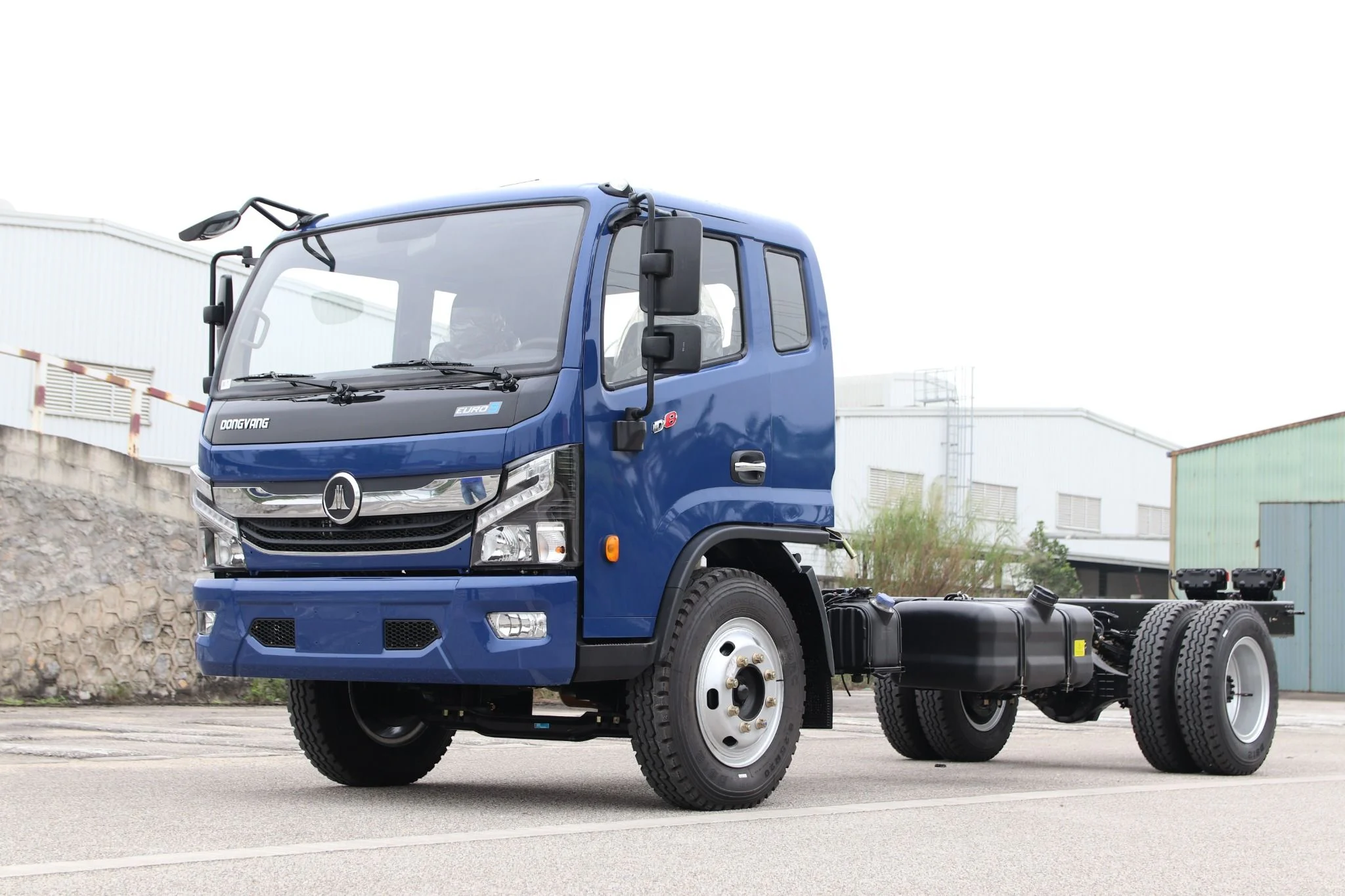
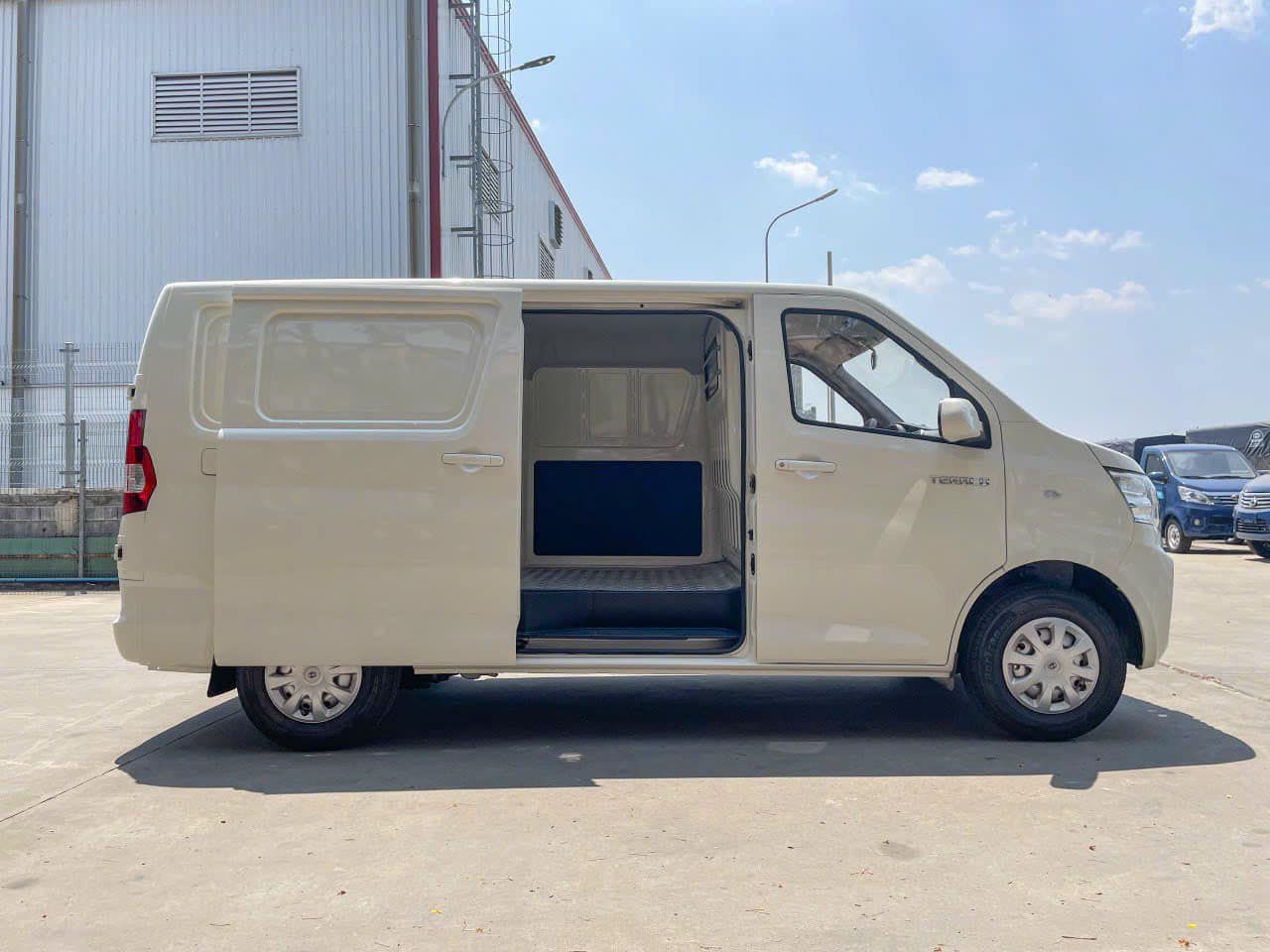
- Specialized trucks for the fisheries industry: Refrigerated trucks, enclosed trucks, fish transport trucks, salt transport trucks,…
- Specialized trucks for the tourism industry: Tourist buses, tourist goods transport trucks, tourist equipment transport trucks,…
Conclusion
Vietnam’s maritime economy in 2016 achieved remarkable results, with vast potential awaiting exploitation. Vietnam needs to strive and be determined to effectively harness the potential of its seas and islands, making the maritime economy a driving force for sustainable economic growth and contributing to the country’s development.
Contact XE TẢI HÀ NỘI if you need to learn more about trucks and optimal solutions for your business. We are always available to assist you 24/7! Hotline: 0968 239 999.