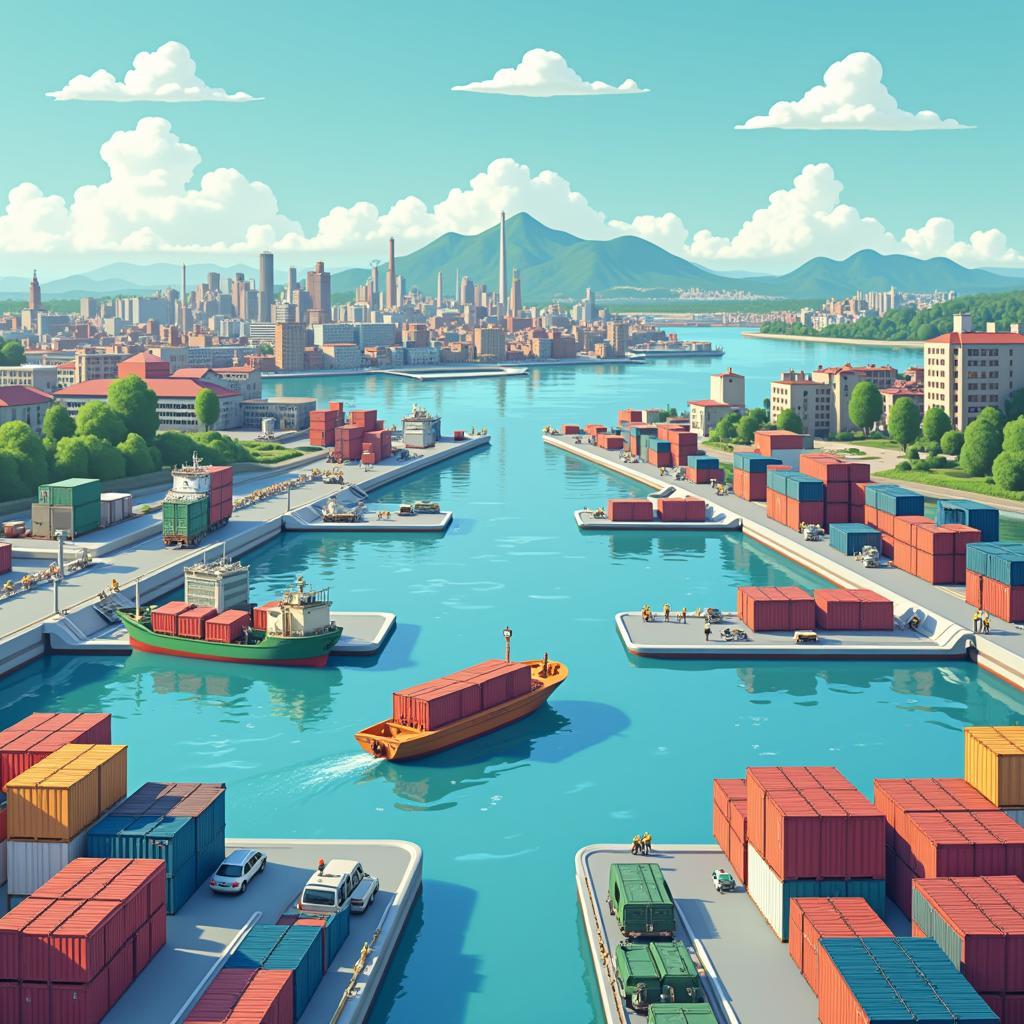
Vietnam’s textile industry policies play a crucial role in shaping the sector’s growth and competitiveness. This article delves into current policies, their impact on the textile industry, and future trends.
Overview of Textile Industry Policies
Vietnam’s textile industry has always been a key sector, contributing significantly to GDP and creating millions of jobs. Its development heavily relies on government support policies, including those related to taxes, investment, import-export, workforce training, and environmental protection. These policies aim to enhance competitiveness, promote exports, and foster sustainable development within the textile industry.
Tax and Investment Policies
Preferential tax policies, especially corporate income tax exemptions and reductions, play a vital role in attracting investment to the textile industry. Furthermore, policies encouraging investment in modern technology to improve productivity and product quality are also prioritized. Simplifying administrative procedures and facilitating businesses’ access to capital are also crucial factors. Learn more about customs duty regulations.
Impact of Tax Policies
Tax policies directly impact the profitability of textile companies. Tax reductions provide businesses with additional resources for reinvestment, production expansion, and enhanced competitiveness.
Import and Export Policies
Import and export policies influence the competitiveness of the textile industry in the international market. Free Trade Agreements (FTAs) that Vietnam participates in, such as the CPTPP and EVFTA, create numerous export opportunities for the textile sector. Implementing trade remedies should also be considered to protect the industry from unfair competition. This policy is related to US import tax policies.
Trends in Import and Export Policies
The current trend is towards diversifying export markets, reducing reliance on traditional markets. Simultaneously, improving product quality and meeting international standards are also prioritized.
Textile Import and Export Policies
Workforce Training Policies
Investing in high-quality workforce training is crucial for enhancing productivity and competitiveness within the textile industry. Policies supporting vocational training and improving technical skills for workers need to be promoted.
Enhancing Workforce Quality
Improving workforce quality focuses not only on professional skills but also on soft skills, adaptability to new technologies, and market demands. Refer to population policies for a better understanding of the impact of population on human resources.
Environmental Protection Policies
The textile industry faces increasing pressure regarding environmental protection. Policies encouraging the use of clean production technologies, minimizing pollution, and treating wastewater and waste need to be strictly implemented. Learn more about information technology policies.
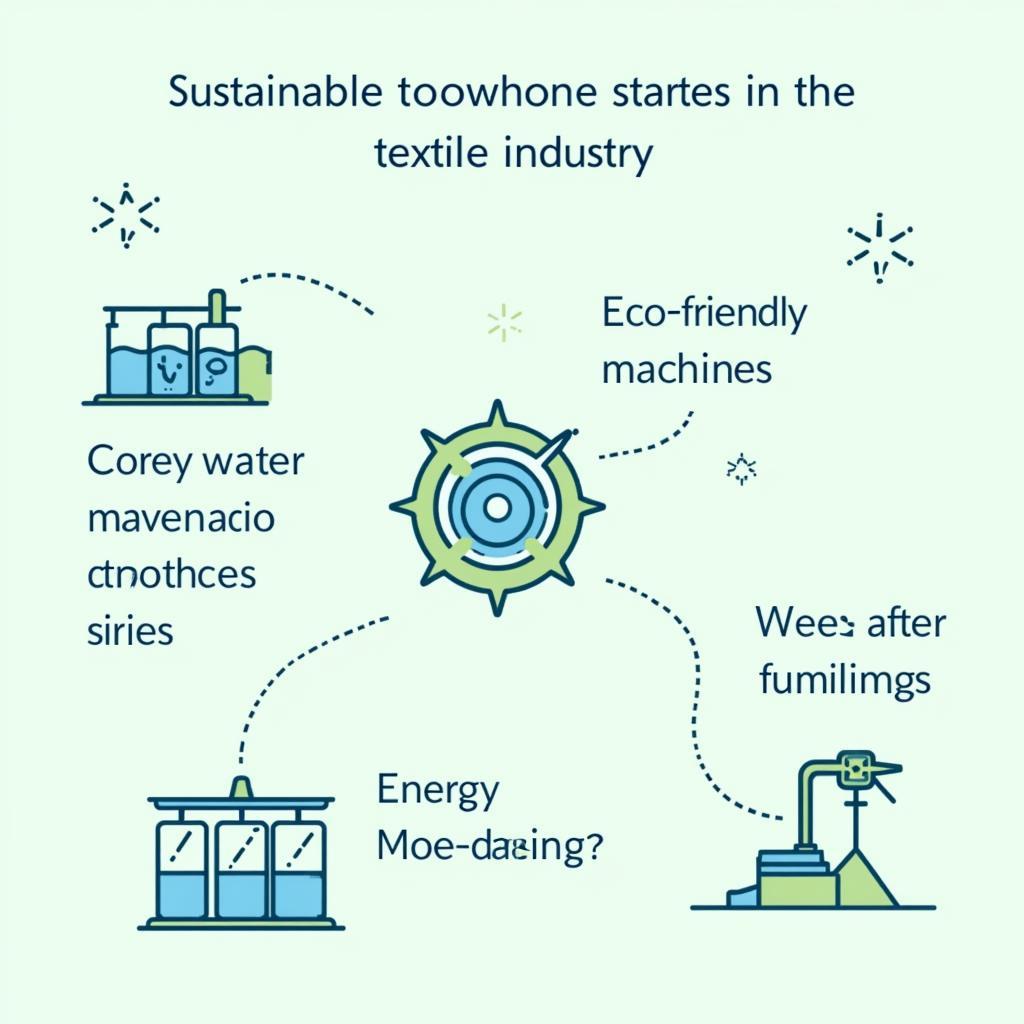 Textile Environmental Protection Policies
Conclusion
Policies for the textile industry need continuous adjustments and improvements to adapt to market fluctuations and sustainable development trends. Close collaboration between the government, businesses, and stakeholders is essential to ensure the sustainable development of the textile industry. This article is also related to the implementation of public policies in Vietnam.
FAQ
- Which tax policies support the textile industry?
- How to access investment support programs for the textile industry?
- Which FTAs benefit Vietnam’s textile exports?
- What training programs are available for textile workers?
- What environmental standards apply to the textile industry?
- What are the future development trends of the textile industry?
- What is the role of technology in enhancing the competitiveness of the textile industry?
For assistance, please contact Phone: 0968239999, Email: [email protected] Or visit us at: TT36 – CN9 Road, Tu Liem Industrial Park, Phuong Canh Ward, Nam Tu Liem District, Hanoi. We have a 24/7 customer service team.









