Airline taxation policies are a complex and multifaceted subject, directly impacting the operations and competitiveness of airlines. This article delves into the various taxes levied on airlines, their effects, and the trends in aviation taxation.
Types of Taxes Applied to Airlines
Airlines are subject to a wide range of taxes, both direct and indirect. Some common types include value-added tax (VAT) on airfare, aviation fuel tax, airport taxes, and corporate income tax. Each tax has a varying degree of influence on ticket prices and airline profitability.
Aviation Fuel Tax
Aviation fuel tax is one of the most significant taxes for airlines. This tax fluctuates depending on global fuel prices and individual national policies. High fuel taxes can increase operating costs and reduce airline profits.
Airport Taxes
Airlines also pay airport fees and charges, including landing fees, takeoff fees, and fees for using airport infrastructure. These fees contribute to the maintenance and development of aviation infrastructure.
Impact of Tax Policies
Tax policies have a considerable impact on airline operations. High taxes can lead to increased ticket prices, reduced passenger numbers, and decreased competitiveness. Conversely, favorable tax policies can encourage investment, expand flight networks, and create jobs. Balancing government revenue needs with support for the aviation industry is a challenge for policymakers.
Impact on Ticket Prices
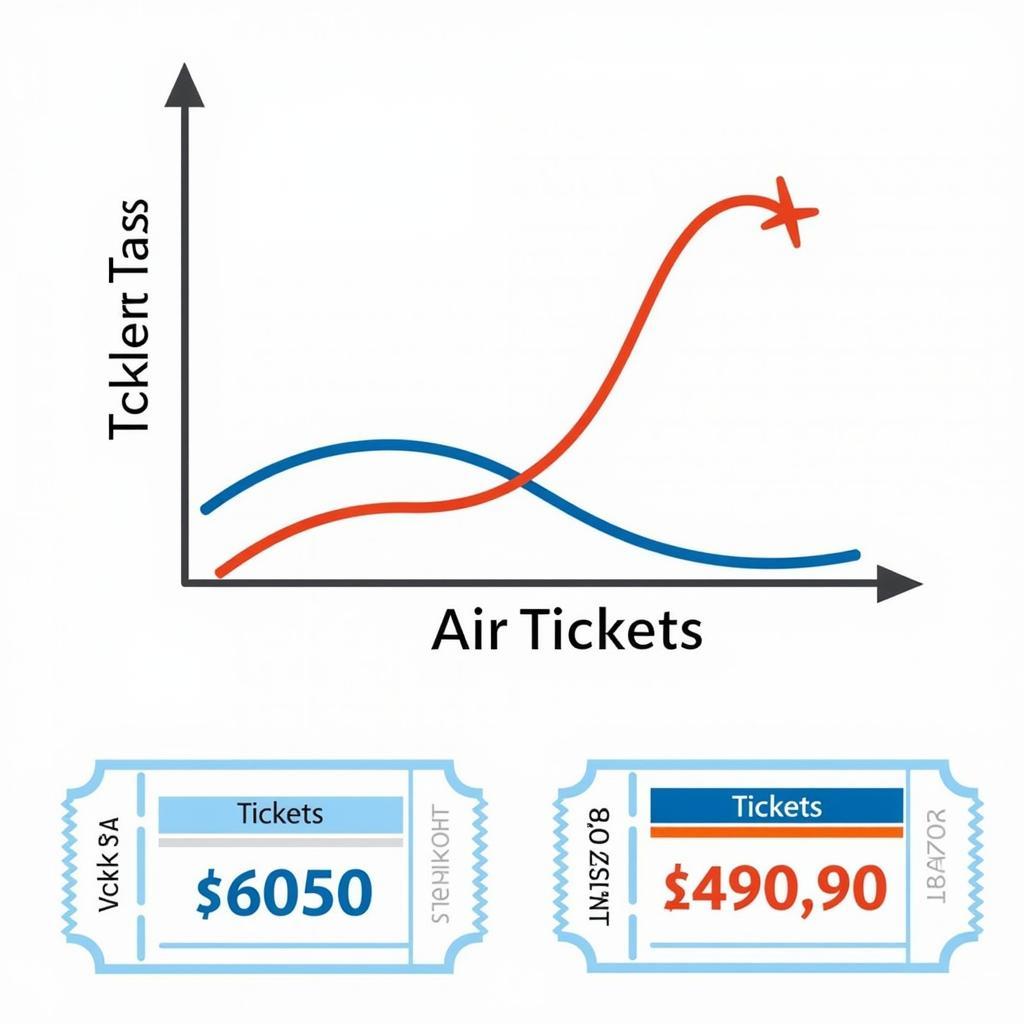
Tax policies directly affect air ticket prices. High taxes lead to higher fares, making it difficult for consumers and reducing demand for air travel. Economic policy buffers can help stabilize ticket prices in certain situations.
Competition in the Airline Industry
Tax policies also influence the competitiveness of airlines. Airlines operating in countries with more favorable tax policies have a competitive advantage over others. International trade policies also play a crucial role in regulating competition among airlines.
The impact of tax policies on air ticket prices
Trends in Airline Taxation Policies
The current trend is towards simplifying and harmonizing tax policies in the international aviation industry. International organizations like IATA (International Air Transport Association) are working to promote cooperation between countries to create a fair and transparent business environment. Vinhomes Green Bay project sales policy is an example of a specific sales policy.
International Cooperation
International cooperation is crucial in regulating aviation tax policies. The objectives of policy banks can also relate to supporting the aviation industry. Countries need to cooperate to avoid tax policy conflicts and create a level playing field for airlines. The economic policies of the Le Dynasty offer a historical perspective on economic policy.
Conclusion
Airline taxation policies are a complex issue affecting many aspects of the industry. Developing effective tax policies requires considering both the interests of the state and the sustainable development of the aviation industry.
FAQ
- How is aviation fuel tax calculated?
- How can airlines mitigate the impact of taxes?
- How does Vietnam’s aviation tax policy compare to other countries?
- What is the impact of taxes on air ticket prices?
- What are the future trends in aviation tax policy?
- What role does IATA play in regulating aviation tax policy?
- How can I learn more about aviation tax policy?
Common Scenarios and Questions
Customers often ask about tax calculations, the impact of taxes on ticket prices, and comparisons of tax policies between countries.
Suggested Related Questions and Articles
You can learn more about other economic policies on our website.









