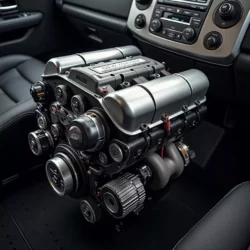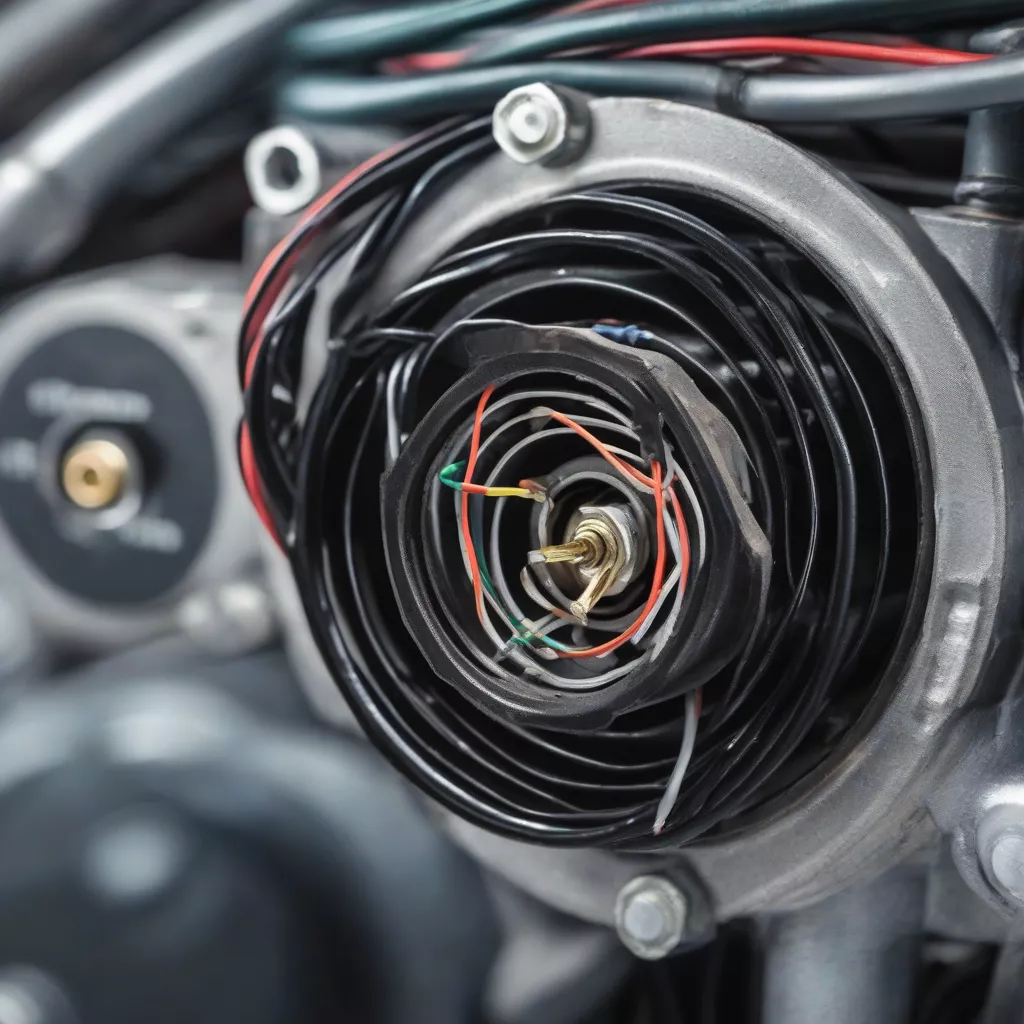
“Hot as fire” – a phrase that perfectly describes scorching summer days. During these times, a truck isn’t just a livelihood, it’s a second home for many drivers. For comfortable, smooth long hauls, a cool AC is essential, and at the heart of that system lies the AC compressor. What is it and how does it work? Let’s delve into the details with Hanoi Trucks.
What is an AC Compressor?
The AC compressor, also known as the air conditioning compressor, is a vital component of a vehicle’s air conditioning system. It draws refrigerant vapor from the evaporator, compresses it to a high pressure, and then pushes it to the condenser to release heat, creating cool air for the cabin.
AC Compressor
The Role of the AC Compressor
The AC compressor is the “heart” of the entire AC system, playing a crucial role in generating cool air:
- Compressing Refrigerant: The compressor draws in low-pressure refrigerant vapor from the evaporator, compresses it into a high-pressure, high-temperature gas, and sends it to the condenser.
- Creating the Refrigeration Cycle: This continuous compression process forms a closed loop, ensuring the AC system operates consistently and efficiently.
Signs of a Failing AC Compressor
Recognizing early signs of a failing AC compressor allows for proactive maintenance and repairs, preventing more extensive damage and saving you money. Here are some common indicators:
- Weak Cooling: This is the most obvious sign. You’ll notice the airflow from the AC is weak and not as cold as it used to be.
- Noise When the AC is On: A failing compressor may produce whining, grinding, or clunking noises from the front of the vehicle, especially when the AC is running.
- Low Refrigerant Pressure: Checking the refrigerant pressure is a way to detect potential compressor problems.
Frequently Asked Questions about AC Compressors
1. What causes an AC compressor to fail?
Several factors contribute to AC compressor failure, the most common being:
- Wear and Tear: Like any mechanical component, compressors have a lifespan. Prolonged use leads to wear and tear, reducing efficiency and eventually causing failure.
- Lack of Lubrication: Lubricating oil cools and reduces friction within the compressor. Insufficient oil leads to overheating and damage.
- Refrigerant Leaks: Leaks cause refrigerant loss, forcing the compressor to work harder, leading to overload and eventual failure.
- Dirt and Debris: Accumulated dirt and debris hinder heat dissipation, reducing efficiency and increasing the risk of failure.
2. When should I replace my AC compressor?
If your AC compressor exhibits severe symptoms like loud noises, complete failure, or cracks, replacement is necessary to restore AC functionality.
3. Where can I get my AC compressor replaced reliably?
Choose a reputable and experienced auto repair shop to ensure quality service and fair pricing for AC compressor replacement.
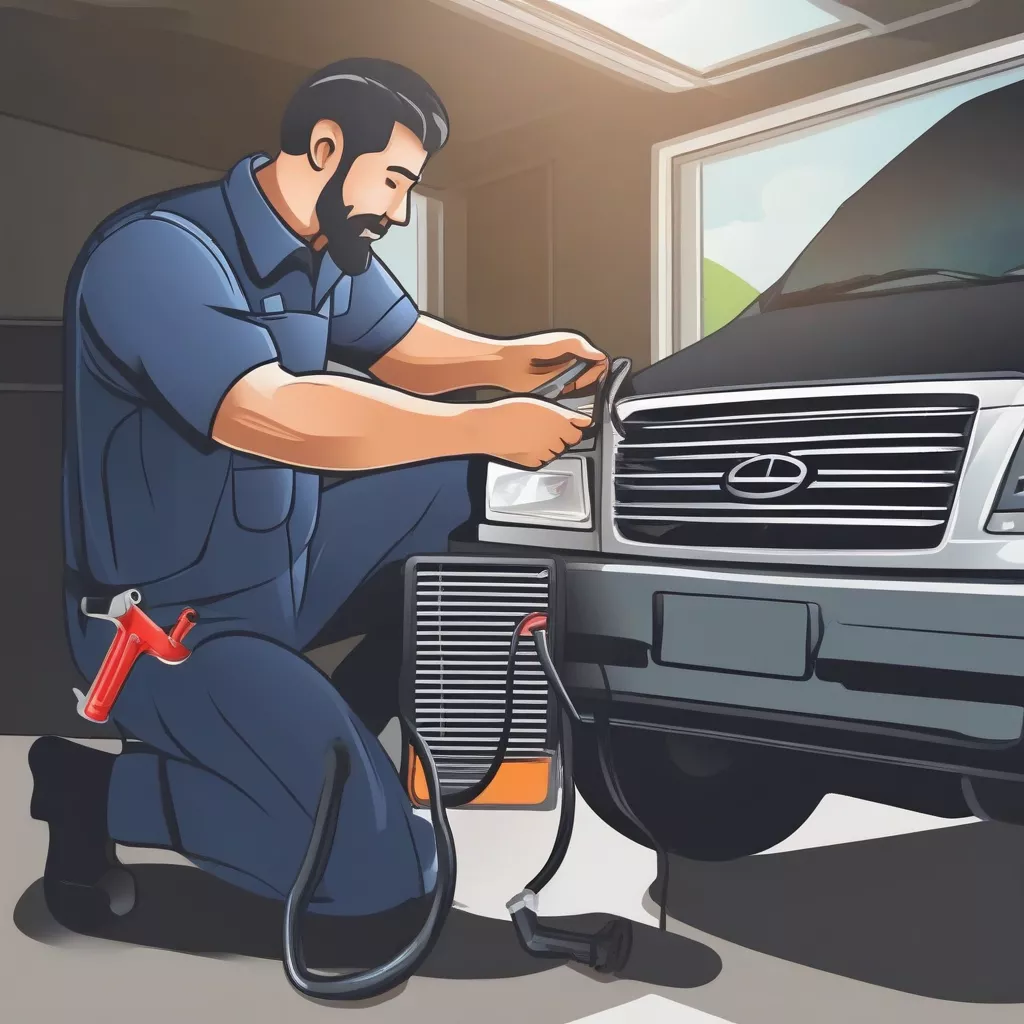 AC Compressor Replacement
Tips for Maintaining Your AC Compressor
- Regular Inspection and Maintenance: Regular checks help identify potential issues early, preventing major breakdowns.
- Proper Usage: Avoid constantly turning the AC on and off. Run the fan for 5-10 minutes before turning off the engine to prolong the compressor’s life.
- Choose a Reputable Repair Shop: Opt for a trusted and professional garage for AC repairs and maintenance.
Conclusion
We hope this article provided valuable insights into the AC compressor – the heart of your truck’s cooling system. Like and share this post, and visit Hanoi Trucks regularly for more informative articles about trucks.