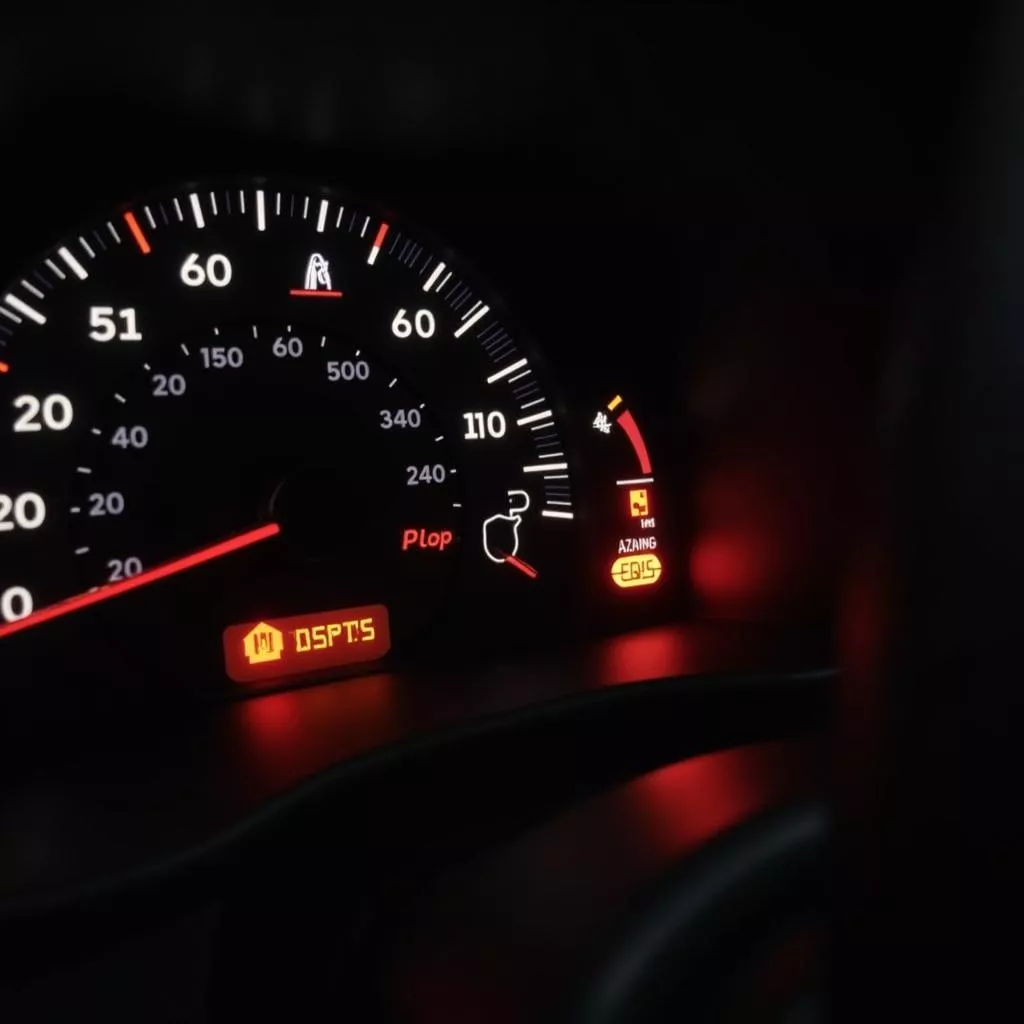
“Drive worry-free, understand warning lights” – a common saying among experienced drivers at Hyundai truck dealerships on Giải Phóng Street, Hanoi, couldn’t be truer! The warning light system on a car acts as a visual information panel, helping drivers understand the “health” of their beloved vehicle. So how can you become fluent in the “language” of car warning lights? Let’s explore this incredibly useful pocket guide with Hanoi Trucks!
Car Warning Light System – The Silent Guardian
Introduction
Imagine cruising down Trường Chinh Street in your brand new Hino truck when suddenly a small light on the dashboard illuminates. Don’t worry, it’s just a “hello” from the warning light system, alerting you to a potential issue with your vehicle. From minor problems like low windshield washer fluid to serious warnings like brake system malfunctions, everything is clearly indicated through various warning lights.
Warning Light Categories
Based on the severity of the issue, car warning lights are divided into three main groups:
- Green Warning Lights: Indicate that functions are operating normally, such as turn signals and headlights.
- Yellow Warning Lights: Warn of issues that need to be checked and addressed soon, such as low tire pressure or the need for an oil change.
- Red Warning Lights: Signal serious problems requiring immediate attention and stopping the vehicle, such as brake system failure or engine overheating.
Common Warning Light Symbols and Their Meanings
| Symbol | Color | Meaning |
|---|---|---|
| Lightbulb | Green | Headlights/Low Beams On |
| Rotating Arrows | Green | Hazard Lights On |
| Battery | Red | Charging System Malfunction |
| Thermometer | Red | Engine Overheating |
| Exclamation Point in Parentheses | Yellow | Low Tire Pressure |
| Engine | Yellow | Emission Control System Malfunction |
| Steering Wheel | Yellow | Power Steering Malfunction |
Car Dashboard
Benefits of Understanding the Warning Light System
Understanding the meaning of car warning lights offers many practical benefits:
- Early Detection and Timely Resolution of Issues: Allows you to proactively maintain and repair your vehicle, preventing more serious and costly damage.
- Increased Vehicle Lifespan: Addressing minor problems promptly keeps your car in optimal condition, extending its lifespan.
- Ensured Safety for Yourself and Other Road Users: Understanding warning lights helps you drive more safely and avoid potential accidents.
Frequently Asked Questions About Car Warning Lights
Is it Dangerous if the ABS Warning Light is On?
An illuminated ABS warning light indicates a problem with the Anti-lock Braking System (ABS). While you can still brake normally, your car won’t have the assistance of ABS, increasing the risk of skidding when braking hard. Take your car to a reputable garage for inspection and repair as soon as possible.
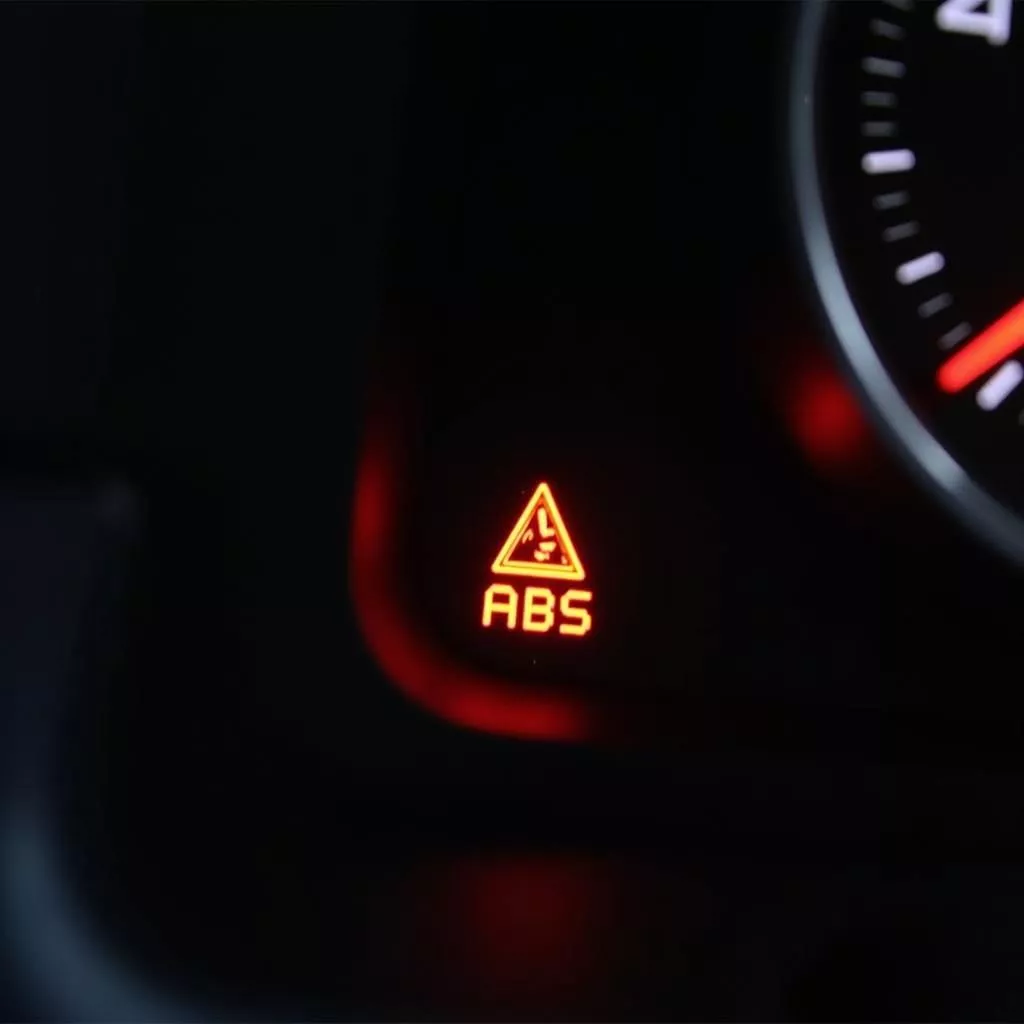 ABS Warning Light
Should I Continue Driving if the Check Engine Light is On?
An illuminated Check Engine light indicates a problem with the engine system. Depending on the severity, you may be able to drive a short distance to a garage or call for roadside assistance. Never continue driving if the Check Engine light is flashing continuously or if you hear strange noises coming from the engine.
How Do I Turn Off the Warning Lights on the Dashboard?
Turning off a warning light is only a temporary solution. To permanently turn off the light, you need to take your car to a reputable service center, such as Hanoi Trucks, for a thorough inspection and repair of the underlying issue.









