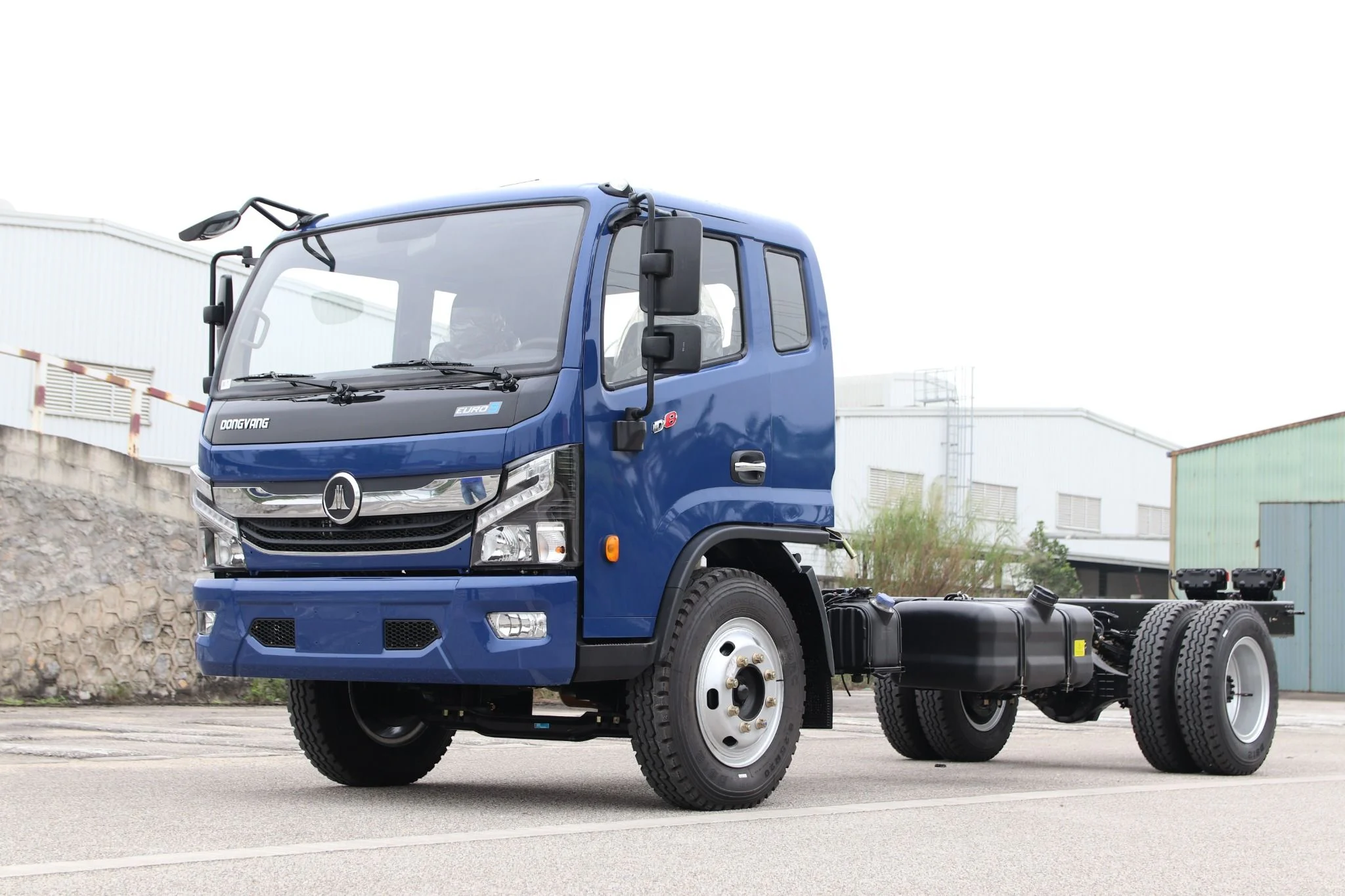
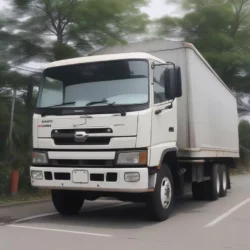
Anh Tuan, owner of a small trucking company in Cau Giay District, Hanoi, always took pride in his Hyundai HD120S truck—his family’s livelihood. Recently, due to changing business needs, he decided to lease his truck to Company X, a freight company, for a year. Everything went smoothly until the truck suffered a serious mechanical failure. Disputes arose over liability, leaving Anh Tuan in a difficult situation due to a poorly drafted and inadequate consignment contract.
Anh Tuan’s story highlights the importance of a well-defined car consignment contract in Vietnam. How can you ensure a clear, transparent contract that protects the rights of both parties? Let’s delve into the details with Xe Tai Ha Noi!
What is a Car Consignment Contract?
A car consignment contract is an agreement between an individual or organization (the consignor) and a company (the consignee) regarding the consignment of a vehicle for a specific period for use and management. This contract clarifies the responsibilities, obligations, and rights related to the vehicle during the consignment period.
Why is a Car Consignment Contract Necessary?
A contract serves as crucial legal evidence, helping to:
- Clearly define the rights and obligations of each party.
- Minimize disputes and conflicts that may arise during the consignment period.
- Provide a legal basis for resolving vehicle-related issues during the consignment period.
Essential Clauses in a Car Consignment Contract
A comprehensive car consignment contract should include:
1. Information about the Consignor and Consignee:
- Full name, address, ID card/Citizen ID/Passport number of the individual, or company name, registered address, tax code of the organization.
- Legal representative (if applicable).
2. Vehicle Information:
- Vehicle type, brand, license plate number, chassis number, engine number, color, year of manufacture.
- Vehicle condition: Provide complete information about the technical and physical condition of the vehicle.
- Accompanying accessories and documents: Specify the type and quantity of accessories and documents handed over to the consignee.
3. Purpose of Consignment:
- Clearly state the purpose of the consignment, e.g., leasing, repair, maintenance.
4. Consignment Period:
- Specify the start and end dates of the contract.
5. Rights and Obligations of the Consignor:
- Provide complete information and documents related to the vehicle.
- Deliver the vehicle at the agreed time and location.
- Pay all applicable fees (if any).
6. Rights and Obligations of the Consignee:
- Receive and manage the vehicle with care, ensuring its safety.
- Refrain from using the vehicle for illegal purposes.
- Compensate for damages (if any) as prescribed by law.
7. Responsibilities in Case of Incidents:
- Clearly define the responsibilities of each party in case of accidents, damage, or loss of the vehicle.
8. Consignment Fees and Payment Method:
- Specify the consignment fee (if any).
- Define the payment method: Cash, bank transfer.
9. General Terms:
- Stipulations regarding the validity, amendment, and supplementation of the contract.
- Dispute resolution method (if any).
10. Signatures and Confirmation of Both Parties:
- Legal representatives of both parties sign and affix their seals (if applicable).
Car Consignment Fee Schedule (Reference)
| Vehicle Type | Consignment Period | Price (VNĐ/month) |
|---|---|---|
| Car | Under 6 months | 1,500,000 – 3,000,000 |
| Over 6 months | 1,200,000 – 2,500,000 | |
| Truck under 2 tons | Under 6 months | 2,000,000 – 4,000,000 |
| Over 6 months | 1,500,000 – 3,000,000 | |
| Truck over 2 tons | Under 6 months | Negotiable |
| Over 6 months | Negotiable |
Note: This table is for reference only. The specific price depends on the vehicle type, consignment period, and agreement between the two parties.
Important Considerations When Signing a Car Consignment Contract
- Carefully review all terms and conditions before signing.
- Request modifications or additions to unclear or unsuitable clauses.
- Keep a copy of the contract after signing.
- Consult with a lawyer if necessary.
Frequently Asked Questions about Car Consignment Contracts
1. Is notarization required for a car consignment contract?
Answer: Current regulations do not require notarization for car consignment contracts. However, for maximum legal validity, notarization at a competent authority is recommended.
2. How are disputes resolved?
Answer: Prioritize resolution through negotiation and mediation. If negotiation fails, you can file a lawsuit with the court for resolution according to legal regulations.
3. Where can I find a car consignment contract template?
Answer: You can find car consignment contract templates online, on legal websites, or consult with a lawyer for advice and drafting a suitable contract.
Learn More About Xe Tai Ha Noi’s Services
Besides providing helpful information about car consignment contracts, Xe Tai Ha Noi offers a variety of reliable and quality services:
- Buying and selling various types of trucks: Hyundai, Isuzu, Hino, Thaco Trường Hải…
- Supplying genuine truck parts.
- Professional truck repair and maintenance.
Contact Xe Tai Ha Noi for Detailed Consultation!
- Address: No. 1, Giai Phong Street, Hai Ba Trung District, Hanoi
- Hotline: 0987.654.321
- Website: https://xetaihanoi.edu.vn/
Truck consignment contract signing
 Truck parking lot
We hope this article has provided useful information about car consignment contracts in Vietnam. Contact Xe Tai Ha Noi today for detailed advice and to choose the best service for your needs!
Learn More: