The US has aggressively employed unconventional monetary policy since the 2008 financial crisis. This article delves into this policy, its impact on the US and global economies, and the challenges and opportunities it presents.
What is Unconventional Monetary Policy?
Unconventional monetary policy, unlike traditional measures such as interest rate adjustments, includes tools like quantitative easing (QE), forward guidance, and special lending programs. The US adopted unconventional monetary policy to stimulate economic growth when interest rates were near zero.
Why Did the US Adopt Unconventional Monetary Policy?
The 2008 financial crisis plunged the US economy into a severe recession. Near-zero interest rates rendered traditional tools ineffective. Consequently, the Federal Reserve (Fed) was compelled to adopt unconventional monetary policy to inject money into the economy, support financial markets, and restore confidence.
Quantitative Easing (QE): A Key Tool
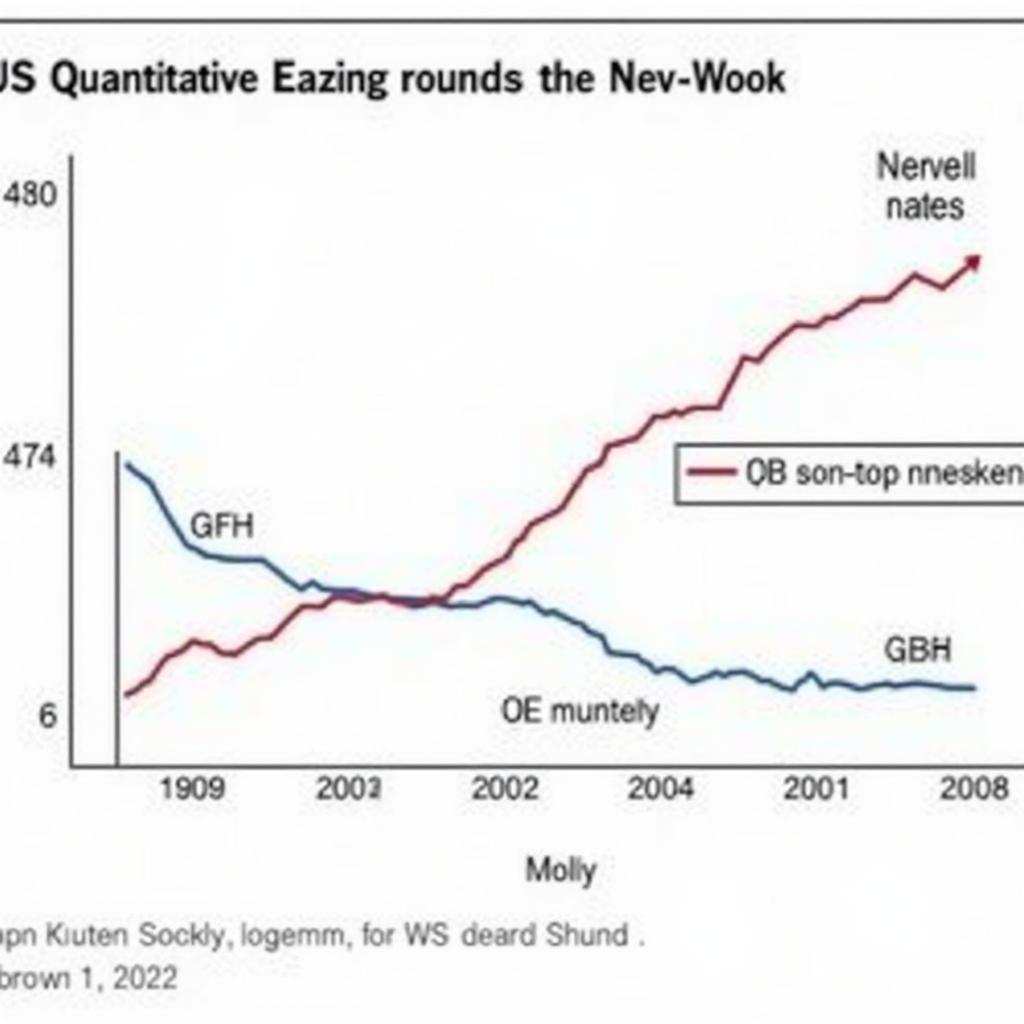
Quantitative easing (QE) is one of the most important tools of unconventional monetary policy. The Fed purchases assets like government bonds and mortgage-backed securities to inject liquidity into the banking system, lower long-term interest rates, and encourage investment.
Chart illustrating quantitative easing in the US
Forward Guidance: Creating Stability
The Fed also uses forward guidance to create market stability. By communicating its expectations about the future path of interest rates, the Fed helps businesses and investors make more informed decisions.
Special Lending Programs: Direct Support
In addition to QE and forward guidance, the Fed implemented special lending programs to directly support specific sectors of the economy, such as the corporate credit market and the stock market.
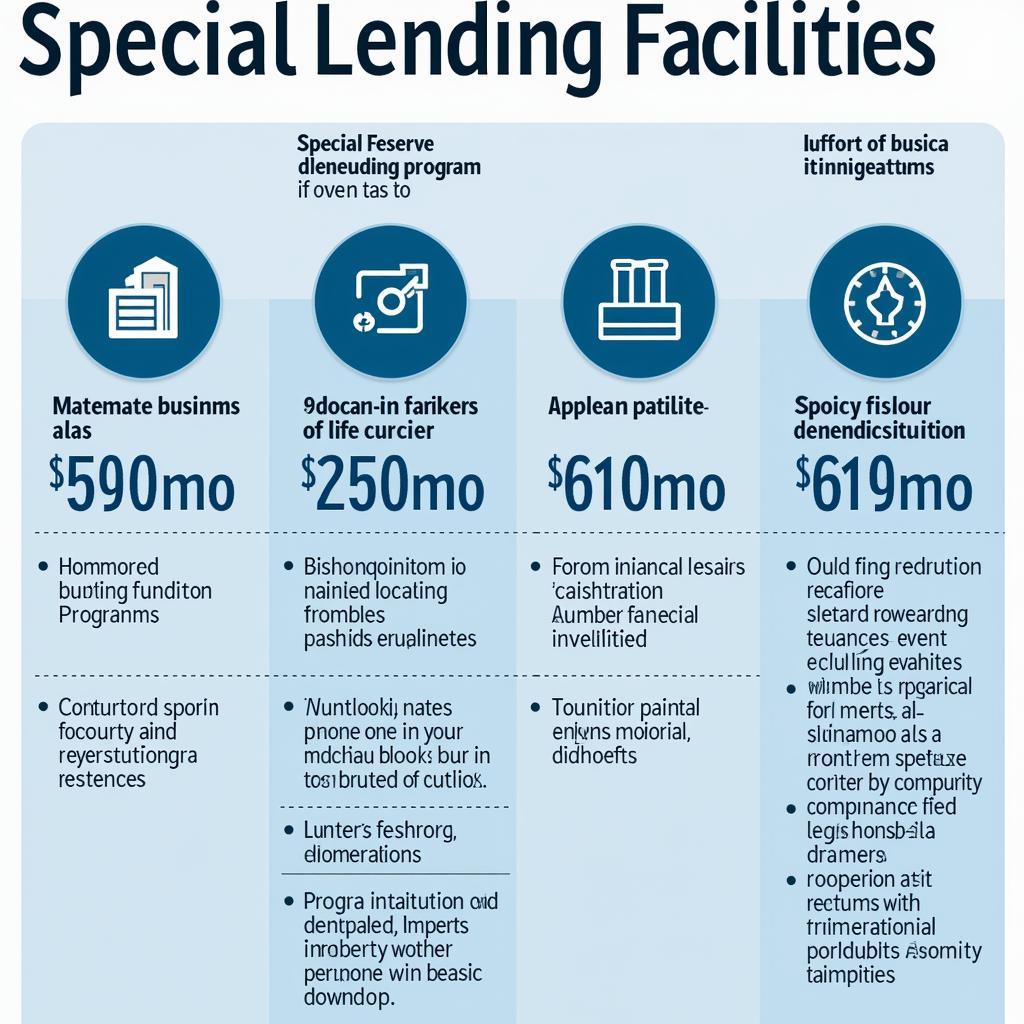 The Fed's special lending programs
Impact of Unconventional Monetary Policy
Unconventional monetary policy has had a significant impact on the US and global economies. It helped prevent a deeper recession, supported economic recovery, and stabilized financial markets. However, it also carries risks, such as inflation and asset bubbles.
“Unconventional monetary policy is a double-edged sword. It can bring benefits in the short term but also carries risks in the long term.” – John Smith, Economist at Harvard University.
Challenges and Opportunities
The US adoption of unconventional monetary policy presents numerous challenges and opportunities for policymakers. Balancing growth stimulation and inflation control is a difficult task. Furthermore, withdrawing from this policy requires careful execution to avoid economic shocks.
 Challenges and opportunities of unconventional monetary policy
“Exiting unconventional monetary policy is a complex process that requires flexibility from the Fed.” – Jane Doe, Director of Research at the Brookings Institution.
Conclusion
The US adoption of unconventional monetary policy was a necessary response to the 2008 financial crisis. This policy has had positive economic impacts but also poses significant challenges. Effective management and adjustment of this policy are key to ensuring the stability and sustainable development of the US economy.
FAQ
- What is QE?
- Why did the Fed implement QE?
- What is the impact of QE on interest rates?
- What are the risks of QE?
- When will the Fed stop QE?
- Is unconventional monetary policy effective?
- What is the future of monetary policy?
For assistance, please contact us at Phone: 0968239999, Email: [email protected] or visit us at: TT36 – CN9 Road, Tu Liem Industrial Zone, Phuong Canh Ward, Nam Tu Liem District, Hanoi. We have a 24/7 customer service team.









