Akbar, the third Mughal emperor of India, is renowned for his policies of religious tolerance and political wisdom. His reign, from 1556 to 1605, marked a period of significant expansion and consolidation of the Mughal Empire.
Religious Harmony Under Akbar
Akbar inherited an empire rife with instability and religious division. He recognized that harmony between different religions, particularly between Muslims and Hindus, was essential for the empire’s stability and prosperity. Akbar abolished the jizya tax on non-Muslims, a powerful symbolic act demonstrating his respect for other faiths. He encouraged interfaith dialogue, inviting scholars and religious leaders from various communities to his court for discussions and the sharing of perspectives.
Sulh-i-kul: The Path to Peace
One of Akbar’s most notable policies was Sulh-i-kul, meaning “universal peace” or “total reconciliation.” This policy went beyond mere religious tolerance, aiming to create a society where people of all faiths were treated equally and had the opportunity to contribute to the empire’s development. Akbar even created a new religion, Din-i Ilahi, incorporating elements from various faiths, in an attempt to unite his people.
Administrative and Economic Reforms
Besides his religious policies, Akbar also implemented significant administrative and economic reforms. He divided the empire into provinces, governed by loyal officials. The tax system was improved, increasing revenue for the court. Akbar also encouraged agricultural and commercial development, contributing to the empire’s prosperity.
The Mansabdari System
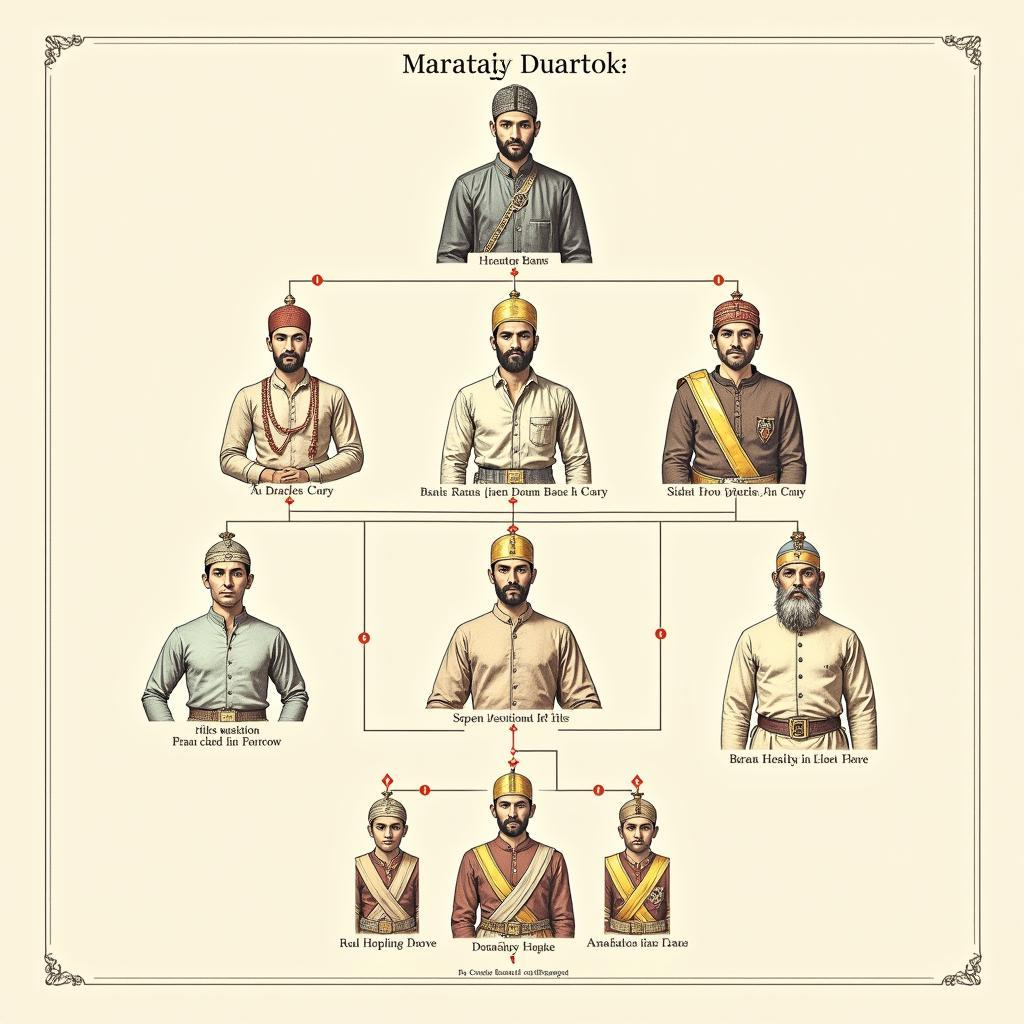
One of Akbar’s most important administrative reforms was the Mansabdari system. This system ranked officials based on military and administrative rank, enhancing management efficiency and military control.
Diagram of the Mansabdari system under Akbar the Great
The Legacy of Akbar
Akbar’s policies left a lasting legacy on India. His religious tolerance and political wisdom helped consolidate the Mughal Empire and create an era of peace and prosperity. Akbar is considered one of India’s greatest rulers, remembered for his foresight and exceptional leadership.
Nguyen Van A, a historian of India at Hanoi National University, states: “Akbar’s policies are a prime example of how wise leadership can create stability and prosperity for a nation.”
Tran Thi B, a researcher of Mughal culture, adds: “Akbar’s religious tolerance is a valuable lesson for today’s world, where religious conflict remains a pressing issue.”
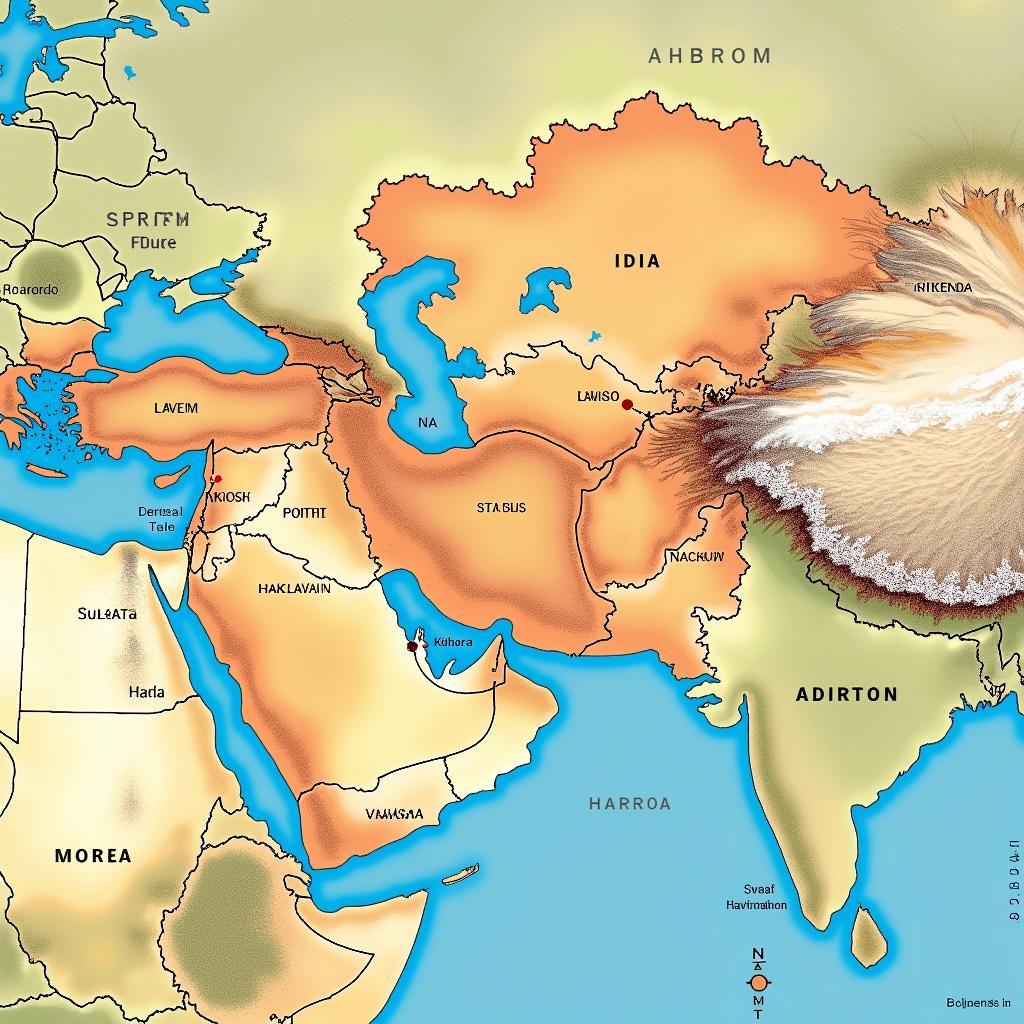 Map of the Mughal Empire under Akbar the Great
Conclusion
Akbar’s policies, with their emphasis on religious tolerance and administrative reform, contributed significantly to the development and stability of the Mughal Empire. He was a great emperor, admired for his vision and leadership.
FAQ
- What was the Sulh-i-kul policy?
- How did the Mansabdari system work?
- Why did Akbar abolish the jizya tax?
- What was Din-i Ilahi?
- What were Akbar’s most important economic reforms?
- What was Akbar’s impact on Indian history?
- Why is Akbar considered a great emperor?
Common Questions and Concerns
Many people wonder about Akbar’s motivations for implementing his policy of religious tolerance. Was it for political reasons or personal beliefs? Some scholars believe that Akbar genuinely believed in the importance of religious harmony, while others argue that it was a political strategy to consolidate his power.
Further Exploration
You can learn more about Indian history, the Mughal dynasty, and other emperors on our website.









