Gasoline-powered cars are the most common type of vehicle worldwide, favored for their convenience and performance. This article provides a detailed overview of the gasoline car model, from its structure and pros and cons to future development trends.
Structure of a Gasoline Car Model
A gasoline engine operates on the principle of burning fuel (gasoline) to generate energy, which propels the vehicle. The structure of a gasoline-powered car comprises numerous complex components working in harmony. Here are the main components:
- Engine: The heart of the car, responsible for converting the chemical energy of gasoline into mechanical energy.
- Fuel System: Includes the fuel tank, fuel pump, lines, and injectors, responsible for delivering gasoline from the tank to the combustion chamber.
- Ignition System: Generates an electrical spark to ignite the mixture of gasoline and air in the combustion chamber.
- Cooling System: Keeps the engine operating at an ideal temperature.
- Lubrication System: Reduces friction between moving parts within the engine.
- Exhaust System: Removes exhaust gases produced during fuel combustion.
In addition, gasoline cars are equipped with a drivetrain, suspension system, braking system, steering system, and electronic systems to ensure safe and efficient operation.
Advantages and Disadvantages of Gasoline Cars
Advantages:
- Affordability: Compared to alternative fuel vehicles like electric cars, hybrids, gasoline cars are more affordable, fitting the budget of many people.
- Extensive Fueling Network: Gas stations are ubiquitous, making it easy for users to refuel their vehicles.
- Quick Refueling Time: Filling a gas tank takes only a few minutes, saving travel time.
- Proven Technology: Gasoline engines have undergone a long development process, with their durability and performance well-established.
Disadvantages:
- Environmental Pollution: Exhaust emissions from gasoline cars contain harmful substances, contributing to the greenhouse effect and air pollution.
- Fuel Consumption: Gasoline engines have lower fuel efficiency compared to electric or hybrid vehicles.
- Dependence on Fossil Fuels: Gasoline supply is dwindling, and prices fluctuate.
Future Development Trends of Gasoline Cars
Although still the dominant mode of transportation, the automotive industry is gradually shifting towards more environmentally friendly vehicles. However, gasoline cars will continue to be improved to enhance performance and minimize environmental impact. Here are some notable trends:
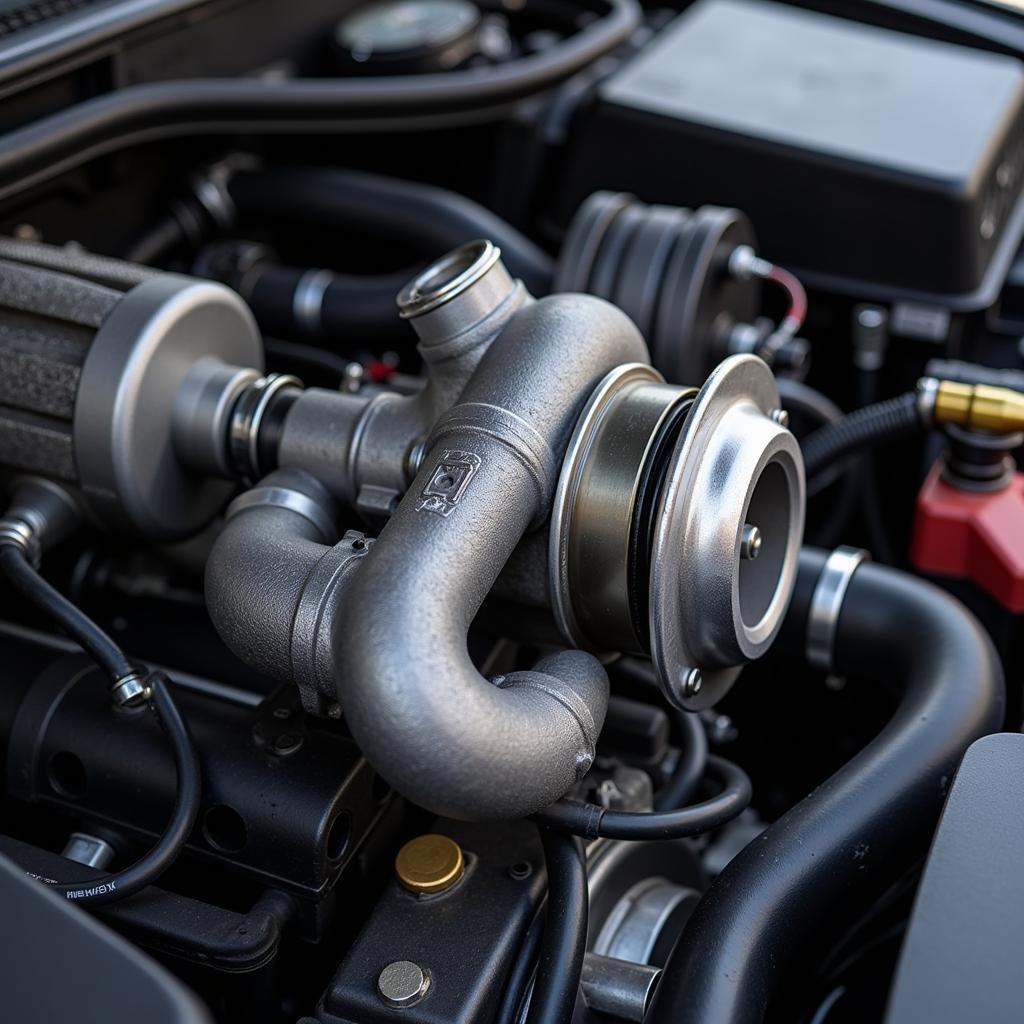
- Turbocharged Engines: Increase engine power while maintaining fuel efficiency.
- Electronic Fuel Injection Systems: Precisely control the amount of fuel injected into the combustion chamber, optimizing combustion and reducing emissions.
- Mild Hybrid Technology: Combines a gasoline engine with a small electric motor to recover energy during braking and assist acceleration, thereby reducing fuel consumption.
Turbocharged engine for fuel efficiency
Conclusion
Gasoline cars remain a popular choice due to their reasonable price, widespread fuel network, and proven technology. However, with concerns about the environment and fuel supply, manufacturers are constantly researching and developing new technologies to improve performance and minimize the negative impact of these vehicles.
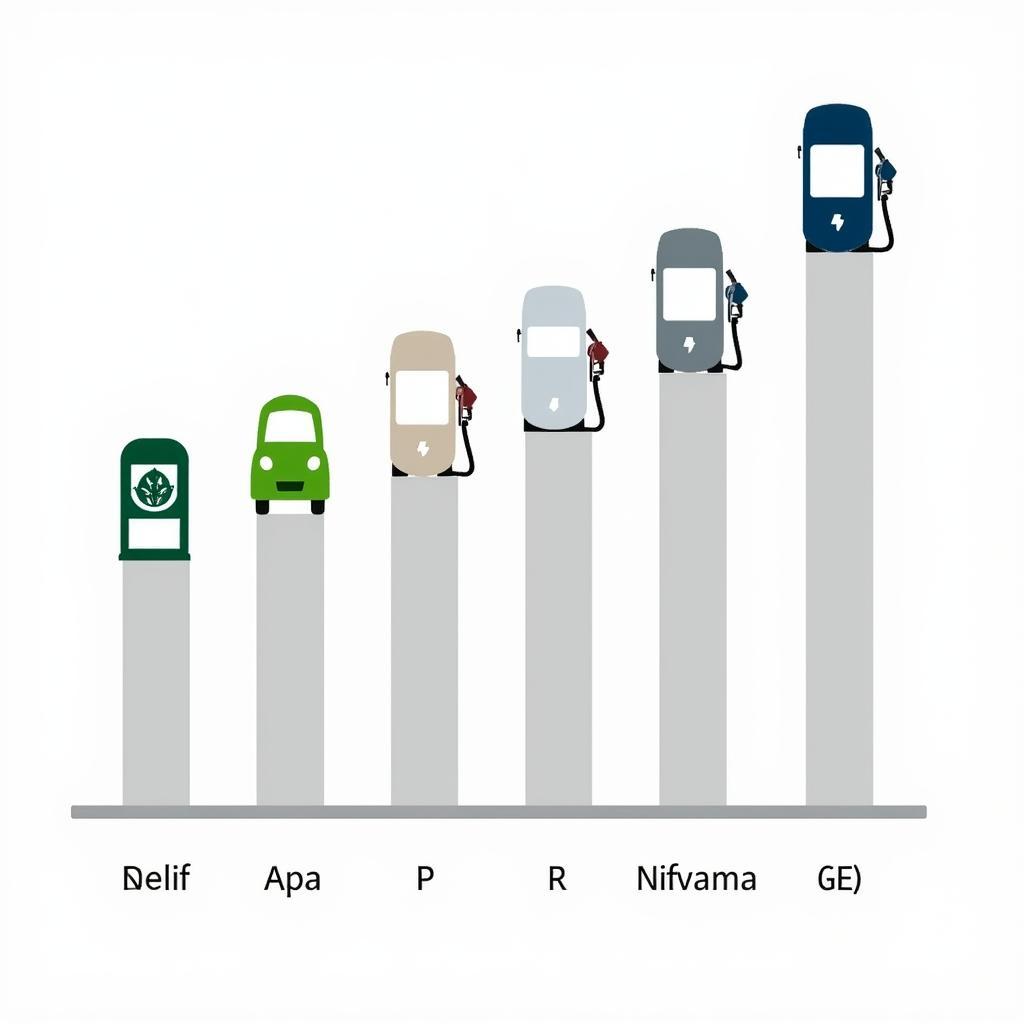 Fuel consumption comparison of different car types
FAQ
1. What types of gasoline cars are there?
Gasoline cars are classified based on various criteria such as size, body style, and engine. For example:
- By body style: Sedan, Hatchback, SUV, Pickup truck,…
- By engine displacement: 1.0L, 1.2L, 1.5L, 2.0L,…
2. Should I choose a gasoline car or an electric car?
The choice depends on your usage needs and financial situation. Gasoline cars are suitable for long-distance travel, while electric cars are suitable for city driving.
3. How do I maintain a gasoline car?
You should maintain your car regularly according to the manufacturer’s recommendations.
4. What type of gasoline should I use for my car?
Refer to the owner’s manual or consult with experts to choose the appropriate gasoline type.
5. Are gasoline cars fuel-efficient?
Fuel consumption depends on various factors such as engine displacement, road conditions, and driving habits.
Want to learn more about gasoline model cars or how to adjust the air-fuel mixture in a car? Check out other articles on our website.
For more detailed advice on truck models and services from XE TẢI HÀ NỘI, please contact:
Phone Number: 0968239999
Email: [email protected]
Address: No. TT36 – CN9 Road, Tu Liem Industrial Park, Phuong Canh Ward, Nam Tu Liem District, Hanoi.
We have a 24/7 customer service team.









