Family planning policies have far-reaching effects on many aspects of society. This article will analyze the positive and negative impacts of these policies, providing a clearer understanding of the importance of population planning.
Economic Impact of Family Planning Policies
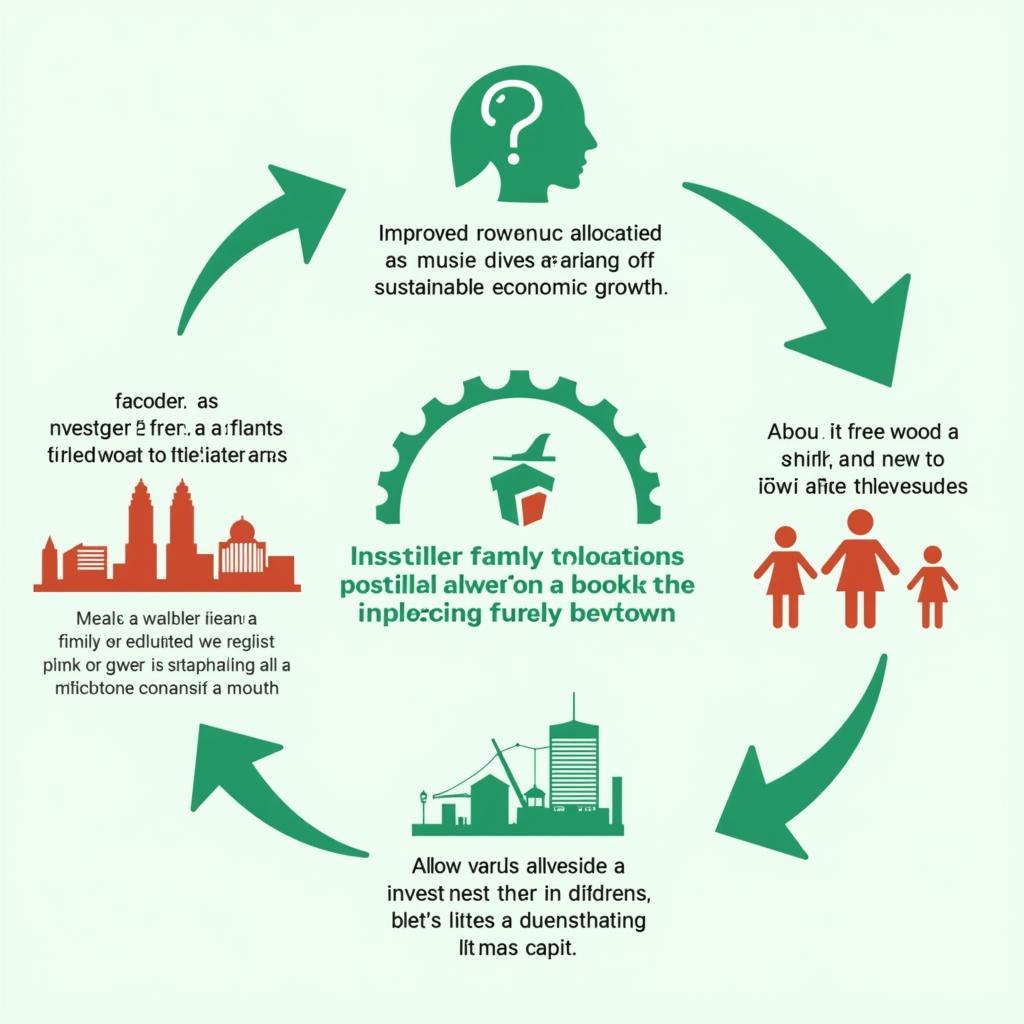
By controlling population growth, family planning policies help reduce pressure on economic resources. When population size is managed, resources can be allocated more efficiently to education, healthcare, infrastructure, and other sectors, thereby promoting sustainable economic growth. Reducing the number of children born also allows families to invest more in each child, improving the quality of human resources. Conversely, if the population grows too rapidly, resources will be stretched thin, making it difficult to meet the basic needs of the people and hindering economic development.
Economic impact of family planning policies
Social Impact of Family Planning Policies
Family planning policies not only impact the economy but also profoundly influence social aspects. Population control helps improve maternal and child health, reducing infant and maternal mortality rates. Furthermore, these policies contribute to improving the quality of life, enabling women to participate in social and economic activities. However, if not implemented scientifically and reasonably, these policies can also lead to social consequences such as gender imbalance and population aging. Family planning policies in Vietnam have been and are being adjusted to suit the current context.
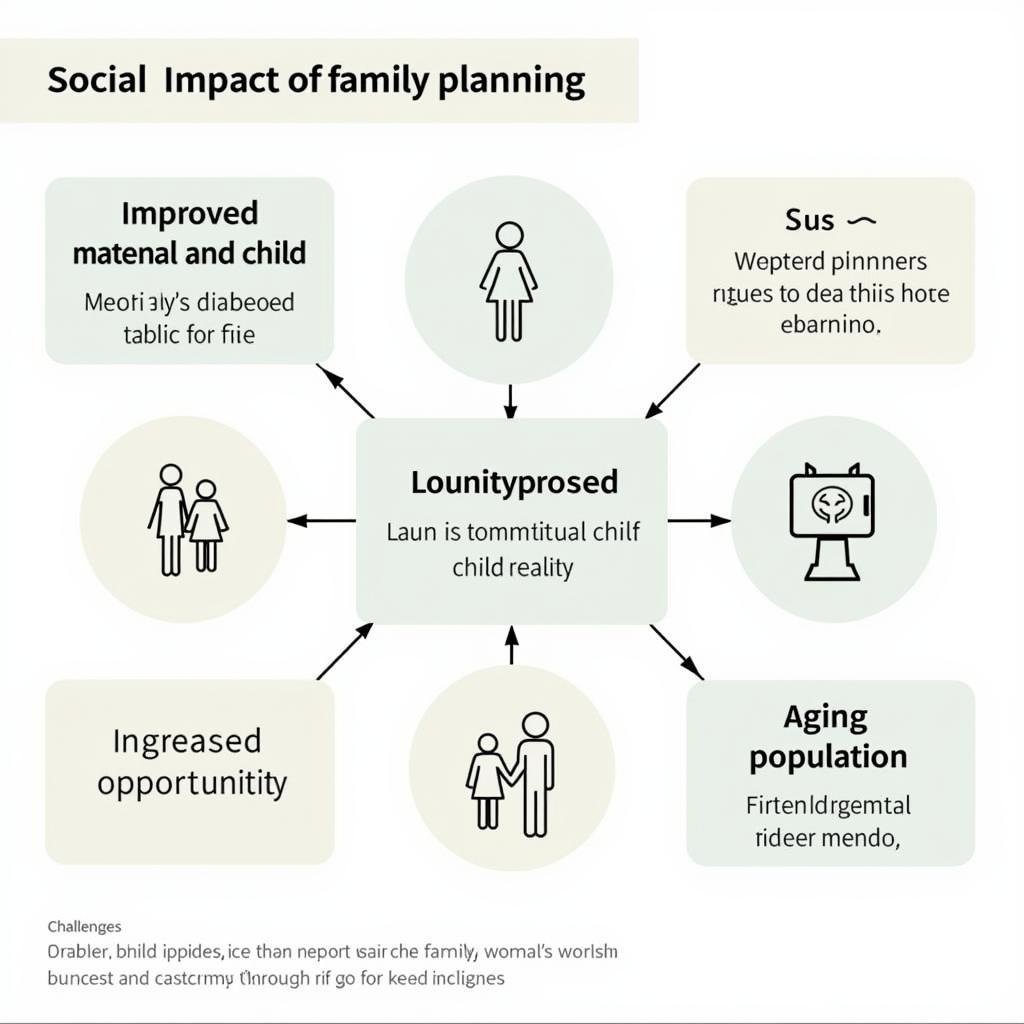 Social impact of family planning policies
Implementing Family Planning Policies: Challenges and Opportunities
Implementing family planning policies requires close coordination between relevant agencies and active community participation. Raising public awareness about the importance of family planning is crucial for the effectiveness of these policies. Additionally, practical support measures are needed to help couples access family planning services. What is policy implementation helps us better understand this process.
The Impact of Public Opinion on Family Planning Policies
Public opinion plays a significant role in shaping and adjusting family planning policies. Public support will create momentum for policy implementation, while negative reactions can hinder the implementation process. Listening to and addressing public concerns is essential to ensure the effectiveness and sustainability of the policies. Does public opinion influence policy provides a deeper analysis of this issue.
Family Planning Policies and Sustainable Development
Family planning policies are an integral part of each nation’s sustainable development strategy. Population control contributes to environmental protection, mitigating the impacts of climate change, and ensuring a balance between economic development and natural resource conservation. Cultural assimilation policy is also an aspect to consider in the context of globalization. Policy planning essay provides more detailed information on policy planning.
Conclusion
Family planning policies have multifaceted impacts on the economy, society, and the environment. Implementing these policies scientifically and reasonably is a prerequisite for achieving sustainable development.
FAQ
- What is family planning policy?
- Why is family planning policy necessary?
- What is the economic impact of family planning policies?
- What are the challenges of family planning policies?
- How to raise public awareness about family planning?
- What is the role of public opinion in family planning policy?
- How do family planning policies contribute to sustainable development?
For assistance, please contact Phone Number: 0968239999, Email: [email protected] Or visit us at: No. TT36 – CN9 Road, Tu Liem Industrial Park, Phuong Canh Ward, Nam Tu Liem District, Hanoi. We have a 24/7 customer service team.









