A car’s electrical system is complex but vital, powering everything from the engine to the entertainment system. Understanding it ensures safe operation, efficient performance, and timely troubleshooting.
Car Electrical System: Key Components
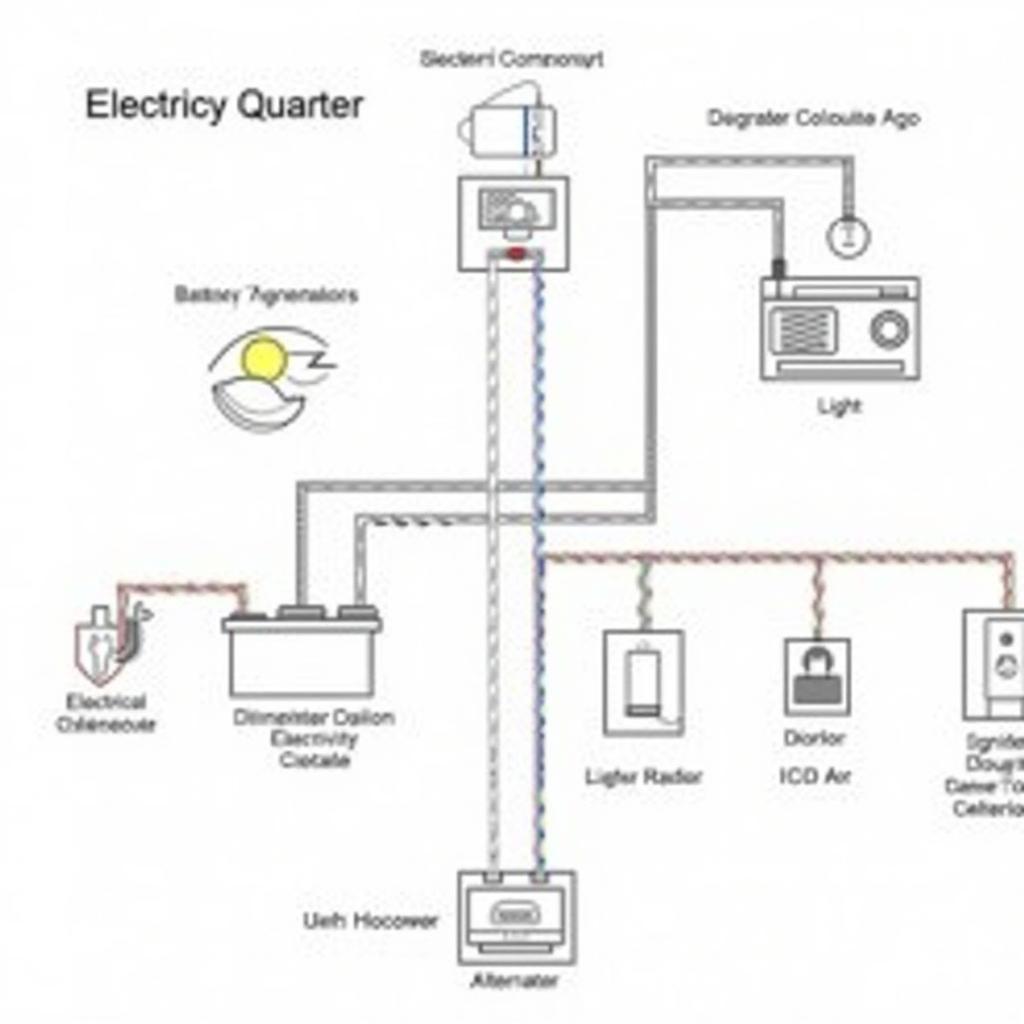
The car’s electrical system comprises several components working in harmony. First is the car battery, the “heart” storing electrical energy. Next is the car alternator, generating power while the engine runs. Finally, the wiring system and various electronic devices consume this power.
Car electrical system: Battery, alternator, and electronic devices
The Battery’s Role in the Electrical System
The battery provides the initial power to start the engine and sustains electrical devices when the alternator isn’t running. A healthy battery ensures easy starts, especially in cold weather.
Signs of a Weak Battery
Signs of a weak battery include: difficulty starting, dim headlights, and a weak horn. Regular battery checks and replacements are essential for optimal vehicle performance.
 Signs of a weak car battery: Difficulty starting, dim headlights, weak horn
The Alternator: The Main Power Source
When the engine is running, the car alternator generates electricity to power the car’s electrical components and recharge the battery. A properly functioning alternator maintains a stable power supply and prolongs battery life.
Alternator Maintenance
Regular alternator maintenance, including belt and brush inspections, prevents issues and ensures a stable electrical system.
Electrical Devices in a Car
Modern cars have numerous electronic devices, from lighting and entertainment systems to air conditioning and safety features. Using these devices efficiently conserves energy and extends battery life.
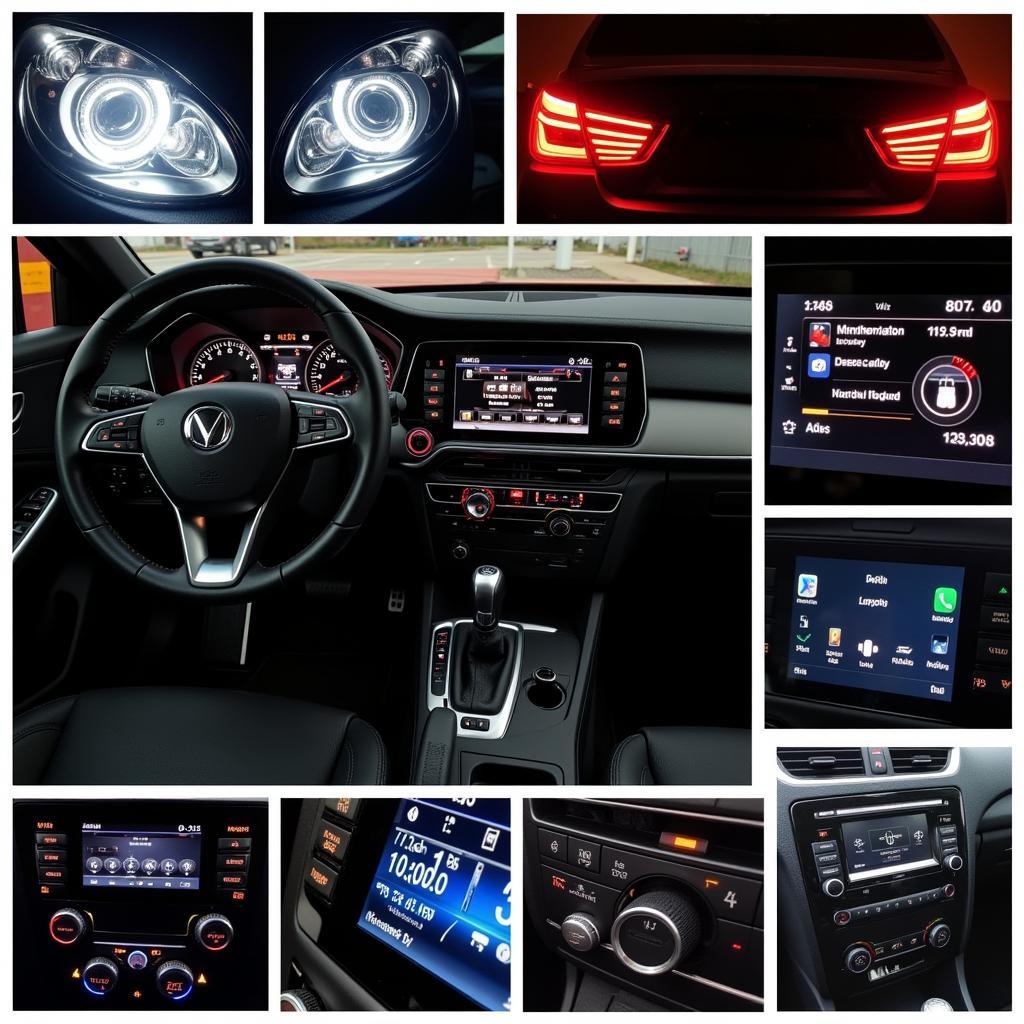 Car electrical devices: Lights, entertainment, air conditioning, safety features
Using 220V Power in a Car
Some devices require 220V power, such as a 220V car air pump. You can use a power inverter to utilize this power source in your car. However, be mindful of the inverter’s and the device’s wattage to avoid overloading the electrical system. Similarly, 12V car air pumps are also available, utilizing the car’s direct power source.
Conclusion
Understanding your car’s electrical system is crucial for safe and efficient operation. Regular maintenance of key components like the battery and alternator will prolong their lifespan and prevent unexpected issues. Additionally, understanding 12V charging in your car is an important topic to explore.
FAQ
- When should a car battery be replaced?
- What are the signs of a failing alternator?
- How can I conserve electricity in my car?
- How can I use 220V power in my car?
- How often should a car’s electrical system be serviced?
- How to check a car battery at home?
- What is the role of fuses in a car’s electrical system?
For assistance, please contact us at Phone: 0968239999, Email: [email protected] or visit us at: TT36 – CN9 Road, Tu Liem Industrial Zone, Phuong Canh Ward, Nam Tu Liem District, Hanoi. We have a 24/7 customer service team.









