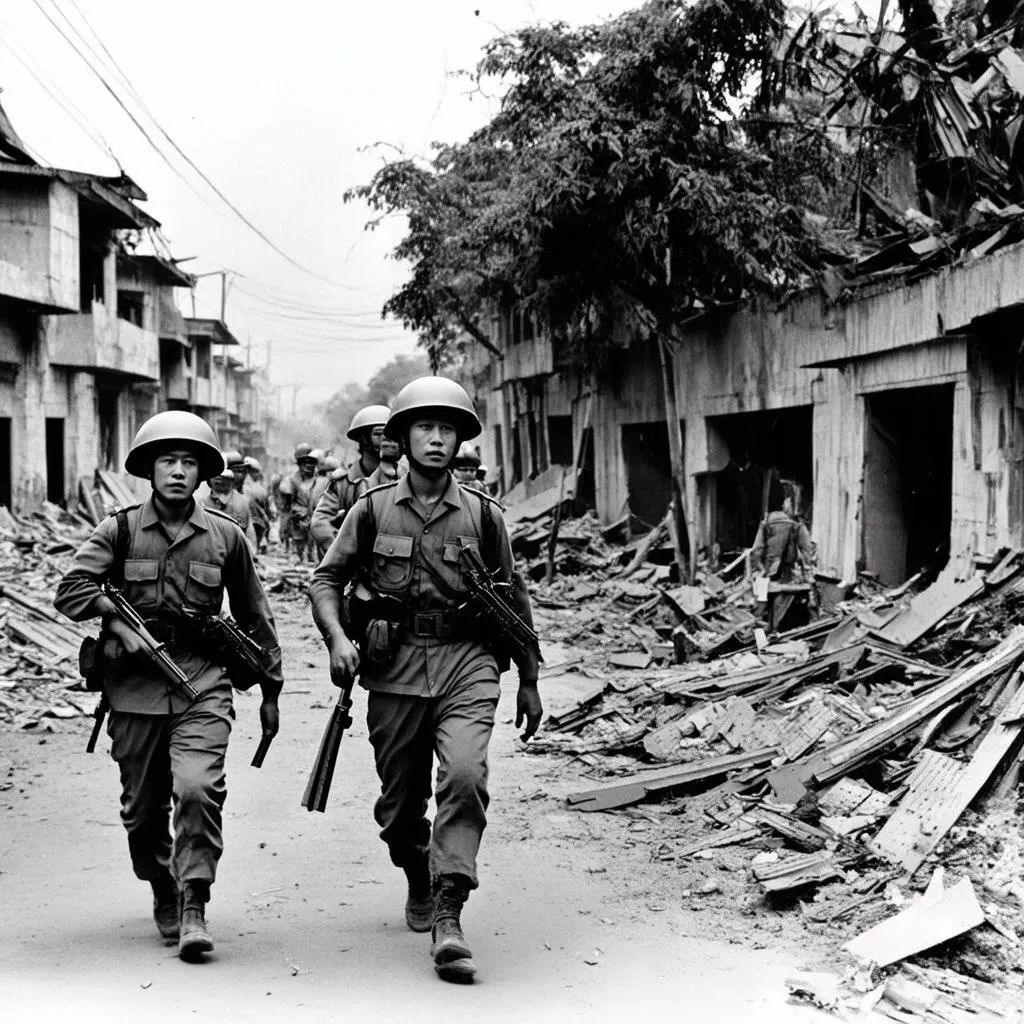
Ever wonder about the historical conflicts that have shaped Southeast Asia’s geopolitical landscape? The 1979 Sino-Vietnamese War is a sensitive topic that demands objective analysis. This article delves into this significant event, specifically focusing on the six northern provinces of Vietnam targeted by China, to understand the past and learn valuable lessons for the future.
Understanding the Question: “Which 6 Northern Provinces Were Attacked by China?”
Historical and Geopolitical Context:
This question often arises when exploring the 1979 Sino-Vietnamese War. It reflects the historical reality of China’s attack across Vietnam’s northern border, encompassing six provinces: Cao Bang, Ha Giang, Lang Son, Lai Chau, Hoang Lien Son (now Lao Cai and Yen Bai), and Quang Ninh.
Psychological and Cognitive Significance:
The phrase “attacked” highlights the perceived suddenness and aggression of the war initiated by China. This underscores the Vietnamese people’s sensitivity to territorial sovereignty and national pride.
Sino-Vietnamese War border conflict in 1979
Historical Truth: The 6 Northern Provinces and the 1979 Border War
On February 17, 1979, China launched a surprise attack against Vietnam across its entire northern border, stretching from Mong Cai (Quang Ninh) to Phong Tho (Lai Chau). The war resulted in significant casualties and losses for both sides.
According to Professor Robert S. Ross, an expert in international relations at Boston University, in his book “China and Vietnam: The Border War of 1979,” this war was a disaster for both China and Vietnam.
Lessons from History:
The 1979 Sino-Vietnamese Border War offers valuable lessons for Vietnam:
- Constant Vigilance and National Defense Readiness: The importance of vigilance and preparedness to defend the nation remains a crucial lesson.
- Building a Strong and Modern Military: The war demonstrated the need for a well-trained, modern, and effective military to protect territorial sovereignty.
- Economic Development and Improved Living Standards: A prosperous nation with a high quality of life provides a strong foundation for national defense.
Related Questions:
- What were the causes of the 1979 Sino-Vietnamese Border War?
- What were the consequences of the 1979 Sino-Vietnamese Border War?
- How did Vietnam recover from the aftermath of the 1979 Border War?
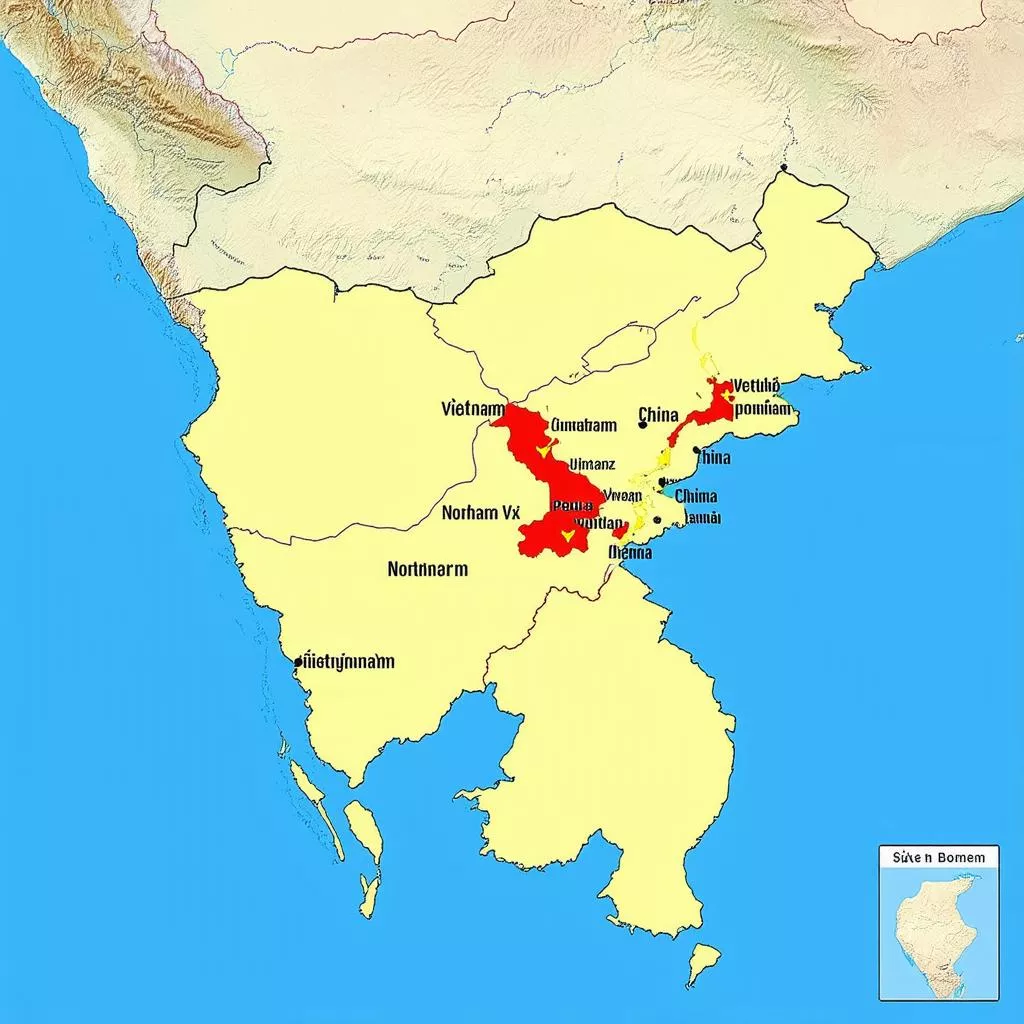 Map of Vietnam highlighting the 6 border provinces
Conclusion
History provides invaluable lessons for future generations. Understanding history, including tragic events like the 1979 Sino-Vietnamese Border War, fosters a deeper appreciation for peace, cherishing independence and freedom, and a firm resolve to protect national sovereignty.
To learn more about Vietnamese history and related topics, explore other articles on our website.
XE TẢI HÀ NỘI – Your trusted partner on every road!
Hotline: 0968 239 999









