The rice subsidy program plays a crucial role in ensuring social security in Vietnam, especially for vulnerable populations. This article provides a detailed analysis of the program, including beneficiary eligibility, implementation methods, and its impact on people’s lives.
What is the Rice Subsidy Program?
The rice subsidy program is a form of social assistance provided by the Vietnamese government, aiming to provide free or low-cost rice to individuals and families facing economic hardship. This contributes to stabilizing livelihoods and alleviating poverty. The program is often implemented during emergencies like natural disasters, epidemics, or as part of long-term poverty reduction initiatives. We’ll delve into the specific policies from the early 20th century shortly after this introduction. The rice subsidy program is not merely about providing food; it reflects the government’s commitment to the well-being of its citizens.
Beneficiaries of the Rice Subsidy Program
The rice subsidy program typically targets vulnerable groups, including: poor households, near-poor households, elderly individuals living alone, people with disabilities, orphans, ethnic minorities, and victims of natural disasters and epidemics. Identifying eligible beneficiaries requires a fair, transparent, and accurate process to ensure that assistance reaches the right people at the right time.
Eligibility Criteria
Eligibility criteria for rice subsidies are often based on factors such as income, living conditions, and other specific factors of each locality. For instance, poor households are identified based on a per capita income below the poverty line set by the government.
Rice subsidy program for the poor
Implementation of the Rice Subsidy Program
The rice subsidy program is implemented through various methods, including:
- Direct Rice Distribution: Rice is distributed directly to beneficiaries through designated distribution points within the local community.
- Financial Assistance for Rice Purchase: Individuals receive financial aid to purchase rice from authorized shops or agents.
- Rice Vouchers: Beneficiaries receive vouchers that allow them to purchase rice at subsidized prices from designated stores.
Impact of the Rice Subsidy Program
The rice subsidy program has a positive impact on people’s lives, particularly for those facing economic hardship. While fixed asset depreciation policies are crucial for financial management in businesses, the rice subsidy helps alleviate financial burdens, ensures food security, and contributes to social stability. However, program implementation requires close monitoring to prevent waste, loss, and ensure fairness and transparency. Considering the industrial policies of Champasak province can provide a broader understanding of production support in the region.
 Positive impact of the rice subsidy program
Expert Opinion
Mr. Nguyen Van A, a socio-economic expert, states: “The rice subsidy program is a necessary measure to help people overcome difficulties, but it needs to be combined with other policies for sustainable economic development, enabling people to escape poverty effectively.”
Conclusion
The rice subsidy program is a crucial policy for ensuring social security in Vietnam. Effective, transparent, and equitable implementation is essential to achieve the goal of helping people overcome hardship and build a fair and civilized society. Product policy evaluation criteria also play a vital role in assessing the effectiveness of this support program.
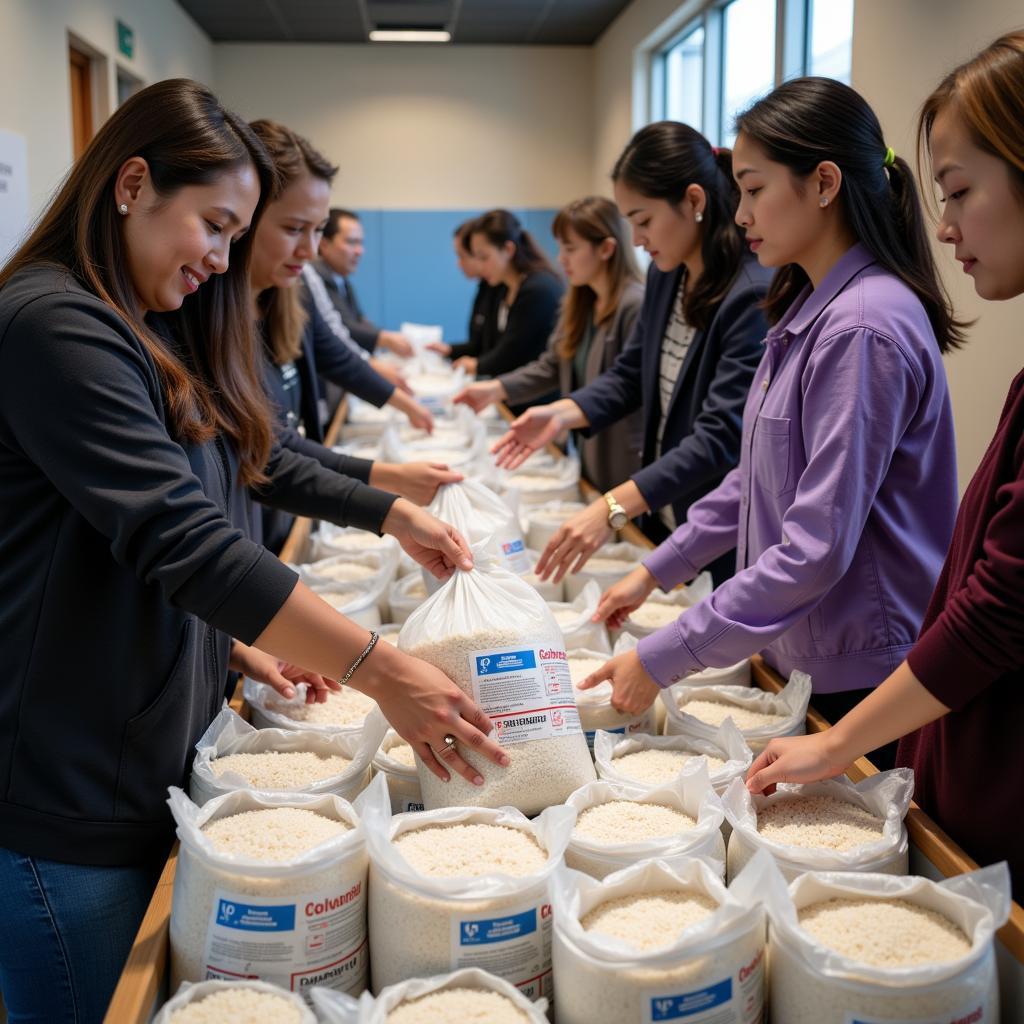 People receiving rice subsidies
FAQ
- Who is eligible for the rice subsidy program?
- What is the application procedure for receiving rice subsidies?
- What is the amount of rice subsidy provided?
- How long is the rice subsidy program in effect?
- Are there any forms of assistance besides rice distribution?
- How can issues related to the implementation of the rice subsidy program be reported?
- Is the rice subsidy program applicable nationwide?
You can learn more about a list of female leads in romance novels if you’re interested in this genre.