Have you ever wondered about the signals your car sends out? Did you know that turn signals aren’t just simple lights, but a language for communicating with other drivers? If you’re a driver, understanding car turn signal diagrams is crucial. It’s the key to safe navigation on the road.
The Significance of Turn Signal Diagrams:
A car turn signal diagram isn’t just a simple drawing; it reflects a vital part of driving culture. It represents respect, awareness, and caution on the road.
The price of cars can also vary based on their turn signal systems. Vehicles equipped with modern turn signal systems often come with a higher price tag.
According to expert John Smith, author of “The Ultimate Guide to Car Signals,” turn signals are among the most critical safety devices in a car. He believes that using them correctly is every driver’s responsibility to ensure their own safety and the safety of others.
Understanding the Diagram:
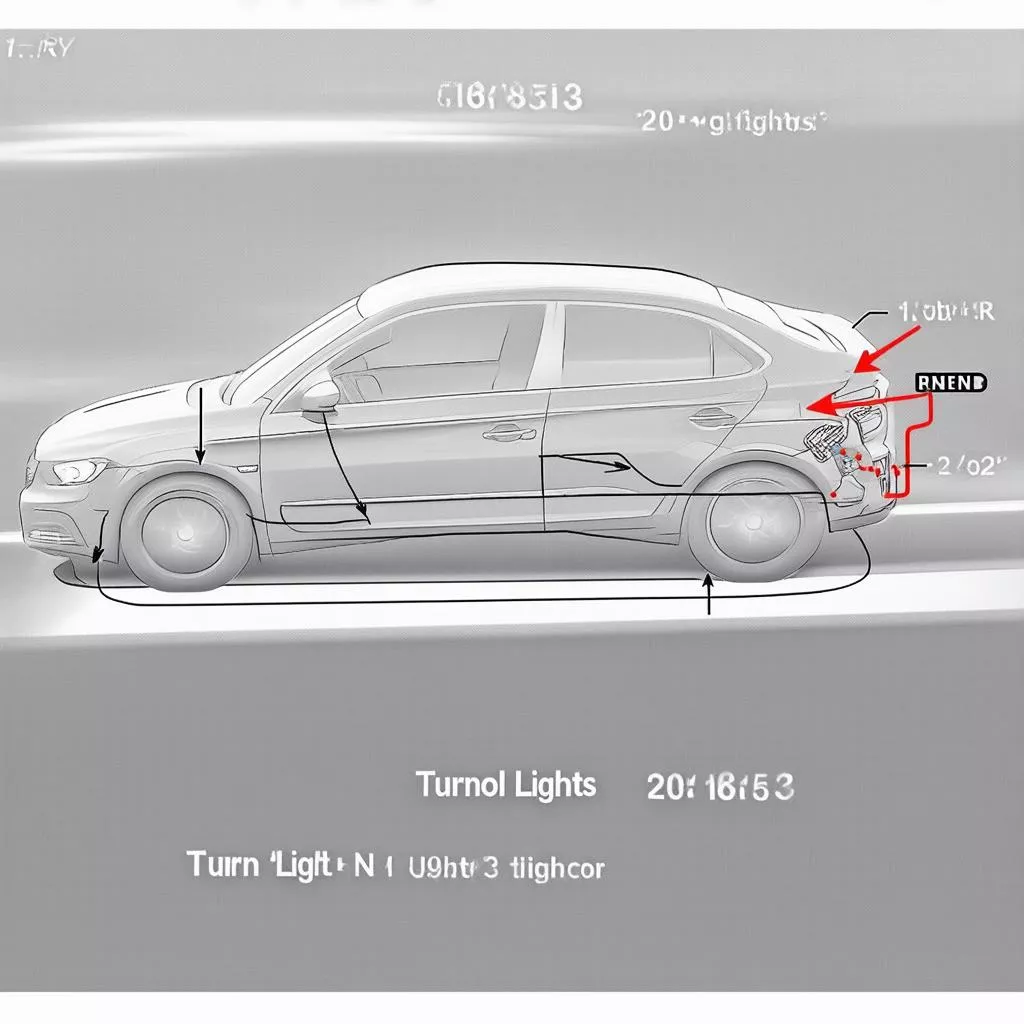
A car turn signal diagram includes the following main components:
- Front Turn Signals: Located on both sides of the front of the car, these amber or yellow lights indicate the driver’s intention to turn to the vehicle ahead.
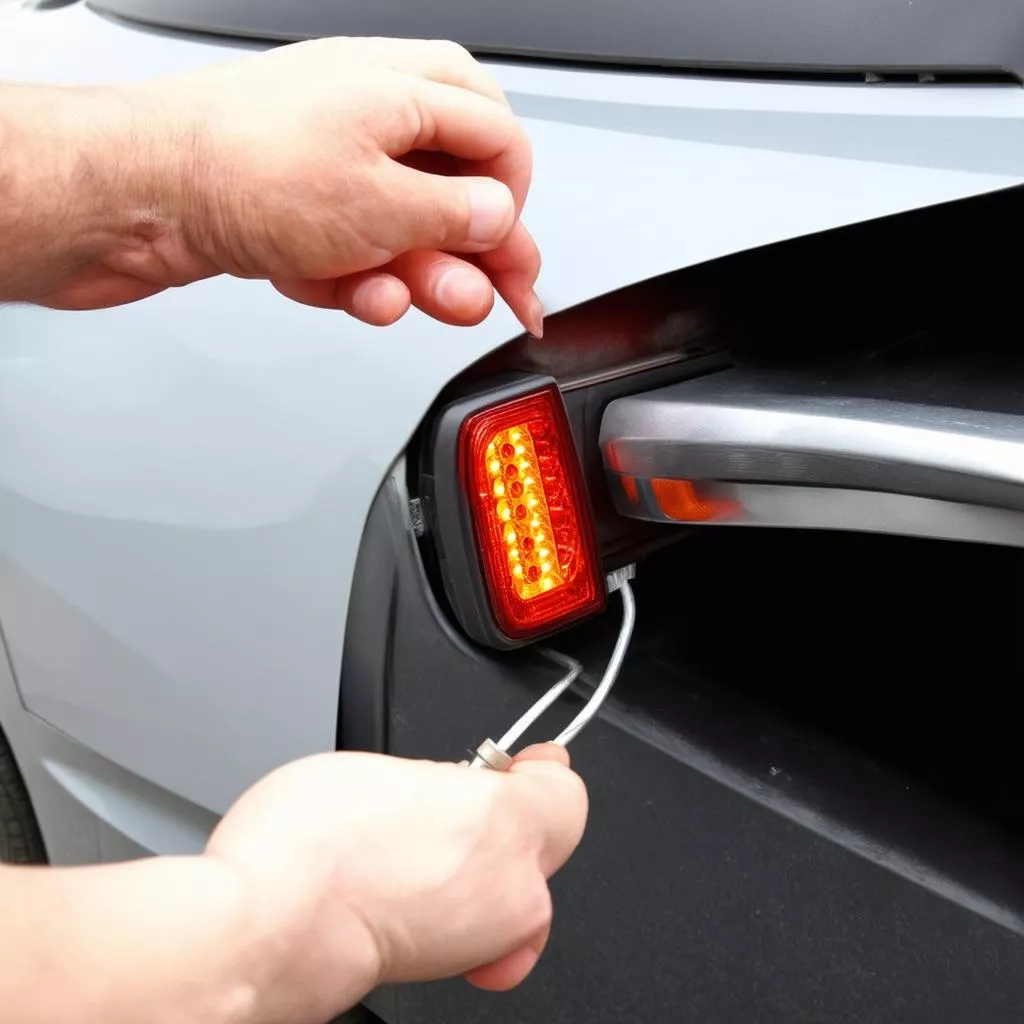
- Rear Turn Signals: Located on both sides of the rear of the car, these amber or yellow lights signal turning intentions to vehicles behind.
- Brake Lights: Situated at the rear of the vehicle, these red lights alert drivers behind that the car is braking.
- Left Turn Signal Indicator: When activated, the front left and rear left turn signals illuminate.
- Right Turn Signal Indicator: When activated, the front right and rear right turn signals illuminate.
Argument, Evidence, and Verification:
Argument: Understanding car turn signal diagrams is essential for safe driving.
Evidence:
- Turn signals communicate a driver’s intentions to others, allowing them to react proactively and avoid accidents.
- Misusing or neglecting turn signals can lead to dangerous situations and even serious accidents.
Verification:
- Using turn signals is mandatory according to traffic laws.
- Numerous accidents occur due to drivers failing to use or misusing turn signals.
Common Scenarios:
- When turning left or right, activate your turn signals to alert others.
- When stopping, use your brake lights to inform drivers behind you.
- When overtaking, use your turn signals to notify drivers ahead and behind.
Best Practices and Guidance:
For effective turn signal use:
- Signal at least 3 seconds before turning to allow others time to react.
- Don’t turn off your signal until the turn is complete.
- Use turn signals to indicate your intentions in all situations, even when driving straight.
Related Questions:
- How to use car turn signals correctly?
- What do car turn signals mean?
- Different types of car turn signals?
- How to repair car turn signals?
Related Products:
- Hyundai Trucks
- Isuzu Trucks
- Thaco Trucks
- Hino Trucks
More Resources on xetaihanoi.edu.vn:
For further information on trucks and related topics, please visit [link to related article] on xetaihanoi.edu.vn.
Call to Action:
For assistance with truck-related inquiries, visit xetaihanoi.edu.vn or call our Hotline: 0968 239 999.
Remember, safety first! Use your turn signals correctly to protect yourself and others.
Conclusion:
Understanding car turn signal diagrams is fundamental to safe driving. Use your turn signals correctly to ensure your safety and the safety of those around you. Share this article with your friends to promote road safety awareness!
Car turn signal diagram
 How to use car turn signals









