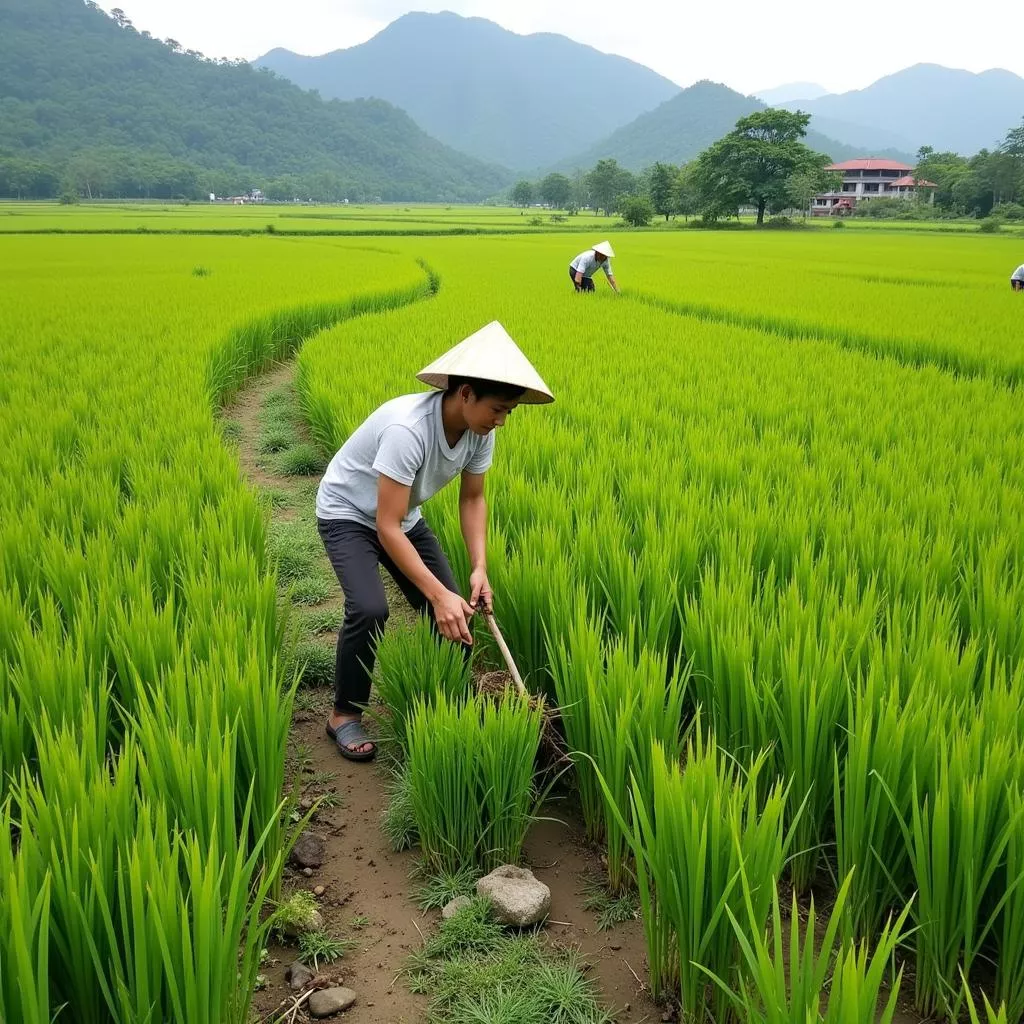
“In the beginning, the land was mud and water” – this ancient folk verse vividly portrays the Southern Vietnam region during its early reclamation. Yet, within a few centuries, this area transformed into the country’s rice bowl, significantly contributing to the nation’s prosperity. This achievement owes much to the Nguyen Dynasty’s wise policies in developing and managing the southern region.
From the moment Emperor Gia Long unified the country, the Nguyen Dynasty recognized the immense potential of Southern Vietnam. The region boasted vast expanses of fertile land, enriched by year-round alluvial deposits, and a strategic location conducive to agricultural development and trade. Consequently, the court enacted numerous policies to encourage people to migrate south and settle, transforming the wilderness into fertile fields.
Reclaiming Southern Vietnam
The Nguyen Dynasty’s policy dissemination and promotion were implemented systematically and effectively. The court not only issued edicts and legal documents but also dispatched emissaries throughout the country to proclaim the potential and opportunities for development in the new land. Furthermore, the Nguyen Dynasty provided migrants with transportation, food, production tools, and land for cultivation.
Key Policies of the Nguyen Dynasty
To attract settlers and develop Southern Vietnam, the Nguyen Dynasty implemented a series of policies, including:
Migration and Land Reclamation Policy
This policy was considered the backbone of Southern Vietnam’s development. The Nguyen Dynasty encouraged people from other regions, especially North and Central Vietnam, to migrate south and establish new lives. They were granted land, exempted from taxes for the initial years, and provided with various forms of support.
According to historian Nguyen Van Huyen, author of “Vietnamese Civilization,” the Nguyen Dynasty’s migration policy triggered a massive wave of migration, transforming the desolate Southern Vietnam into a sparsely populated land, paving the way for socio-economic development.
Agricultural Promotion Policy
To transform Southern Vietnam into the nation’s rice granary, the Nguyen Dynasty enacted numerous policies to encourage agricultural production, such as:
- Land reclamation and expansion of cultivated areas: Encouraging people to dig canals, build dikes, and improve saline and acidic soils to expand rice cultivation areas.
- Introduction of new crops: Rice varieties, fruit trees, and industrial crops from other regions were introduced to Southern Vietnam for experimental cultivation and expansion.
- Irrigation development: Constructing a system of canals, dams, and reservoirs to provide irrigation for rice fields.
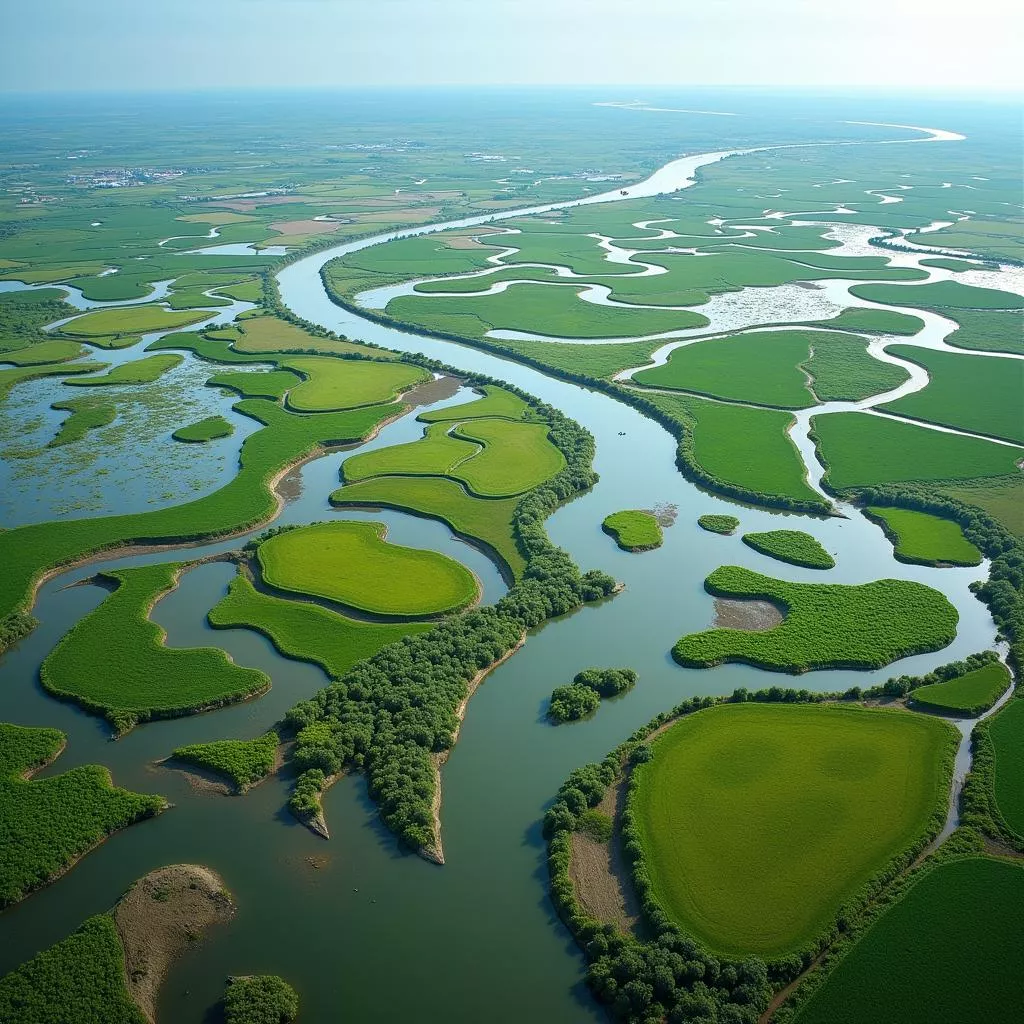 Irrigation Development in Southern Vietnam
Trade Development Policy
The Nguyen Dynasty prioritized the development of domestic and foreign trade. Major seaports, such as Saigon and Can Tho, were constructed, facilitating trade with countries in the region and the world.
Security and Defense Policy
To protect the newly acquired territory, the Nguyen Dynasty established military units stationed at strategic locations, built fortifications and barracks, and implemented policies to unite ethnic groups and win the hearts and minds of the people.
Results and Significance
The Nguyen Dynasty’s policies in Southern Vietnam yielded significant results, transforming the region and the country:
- Territorial Expansion: Southern Vietnam was reclaimed and incorporated into the territory of Dai Viet, laying the foundation for the formation and development of the country as it is today.
- Economic Development: Southern Vietnam became the country’s largest rice-producing region, contributing significantly to the national treasury. Trade and other industries also flourished.
- Social Stability: The rational migration policy fostered cultural exchange, united ethnic groups, contributed to social stability, and strengthened national unity.
However, alongside these achievements, the Nguyen Dynasty’s policies in Southern Vietnam also revealed some limitations, such as corruption and waste during the land reclamation process, and the imposition of some policies that were not suitable for local conditions.
Pricing
This article does not include pricing information.
Note
This article provides information about the Nguyen Dynasty’s policies in Southern Vietnam. For a more objective and comprehensive understanding, readers should consult other historical documents.
Contact
For more information about environmental policies, please contact:
Phone: 0968239999 Email: [email protected] Address: No. TT36 – CN9 Road, Tu Liem Industrial Park, Phuong Canh Ward, Nam Tu Liem District, Hanoi
We have a 24/7 customer service team.
 Map of Southern Vietnam during the Nguyen Dynasty
The Nguyen Dynasty’s policies in Southern Vietnam constitute a significant chapter in the nation’s history. Thanks to the wisdom and foresight of the Nguyen emperors, the southern region transformed from a wilderness into a fertile rice bowl, contributing to the building of a strong and prosperous nation.









