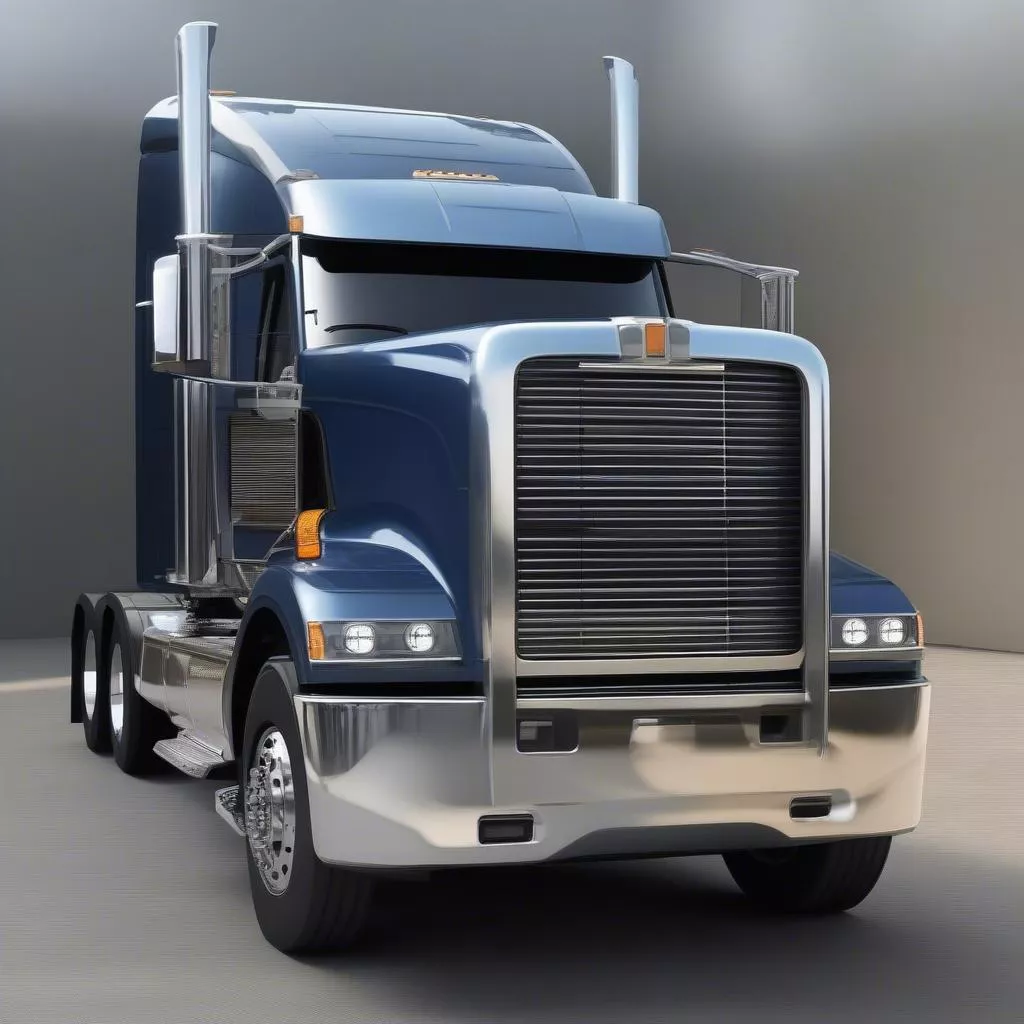
The story goes that a transportation business owner, after years of hard work, finally saved enough money to purchase a heavy truck worth over 1.6 billion VND. However, his joy was short-lived as he faced the daunting task of accounting for this significant purchase. Is there anything different about accounting for high-value trucks? How can tax benefits be optimized?
This article will unravel all the complexities related to “accounting for vehicles over 1.6 billion VND,” empowering you to make informed financial decisions for your business.
The Importance of Accounting for Vehicles Over 1.6 Billion VND
Purchasing a vehicle over 1.6 billion VND, whether it’s a truck, bus, or passenger car, represents a substantial investment for any business. Accurate and proper accounting not only enables effective asset management but also optimizes tax obligations, ensuring smooth business operations.
According to financial expert John Miller, author of “Financial Management for the Modern Business,” accounting for vehicle purchases requires meticulous attention to detail, adherence to legal regulations, and alignment with the company’s specific circumstances.
Guide to Accounting for Vehicles Over 1.6 Billion VND
1. Identifying Fixed Assets
According to current regulations, vehicles valued at 1.6 billion VND or more are classified as fixed assets.
2. Depreciation of Fixed Assets
- Vehicles are subject to depreciation. The applicable depreciation period is 10 years.
- Depreciation Methods: Businesses can choose from various depreciation methods, such as straight-line depreciation or declining balance depreciation, selecting the method that best suits their operational characteristics.
- The maximum depreciation expense is calculated based on the original cost of the fixed asset.
3. Tax Regulations
- Value Added Tax (VAT): Businesses can deduct input VAT on the vehicle purchase if the vehicle is used for production or business activities.
- Corporate Income Tax (CIT): Vehicle depreciation expenses are considered reasonable costs when determining taxable income.
New Heavy-Duty Truck
Common Accounting Scenarios
- Vehicle Purchase on Installment: Businesses need to account for all related expenses, including loan principal and interest payments.
- Sale of Used Vehicles: Determining the remaining value of the vehicle and calculating the gain/loss from the asset disposal is necessary.
- Vehicle Use for Multiple Purposes: Allocating depreciation and usage costs appropriately for each purpose is crucial.
Frequently Asked Questions
- Can I deduct VAT when purchasing a vehicle on installment?
- Yes, if the vehicle is used for production or business activities and supported by valid invoices and documents.
- Is accelerated depreciation allowed for vehicles over 1.6 billion VND?
- No. Despite their high value, vehicles must adhere to the standard 10-year depreciation period.
- Which depreciation method is the most optimal?
- The best depreciation method depends on each business’s financial situation and business strategy.
Learn More About:
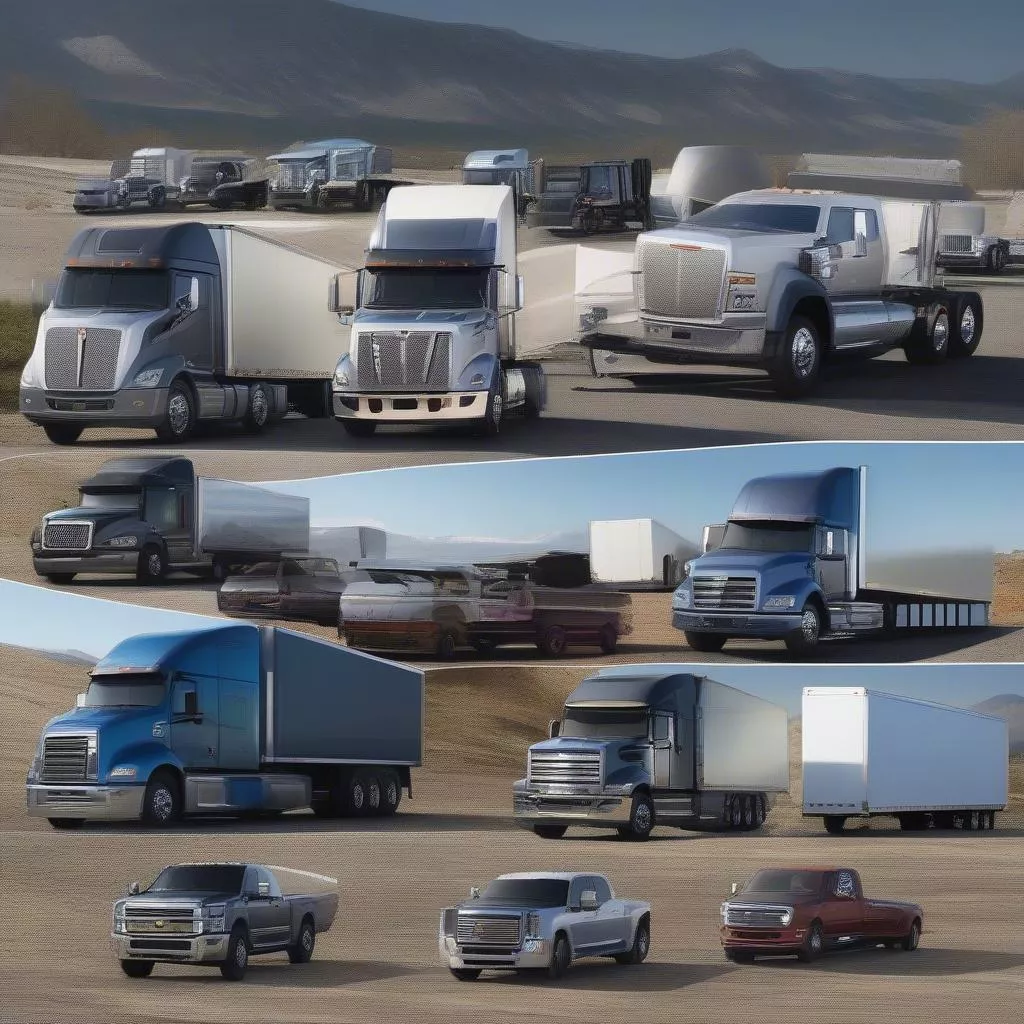 New Truck Inventory
Conclusion
Accounting for vehicle purchases exceeding 1.6 billion VND is a critical task requiring a thorough understanding of legal regulations and their practical application.
Contact XE TẢI HÀ NỘI Dealership or Hotline: 0968 239 999 for detailed consultation on truck models and related matters concerning accounting, taxes, and fees. We are available to assist you 24/7!









