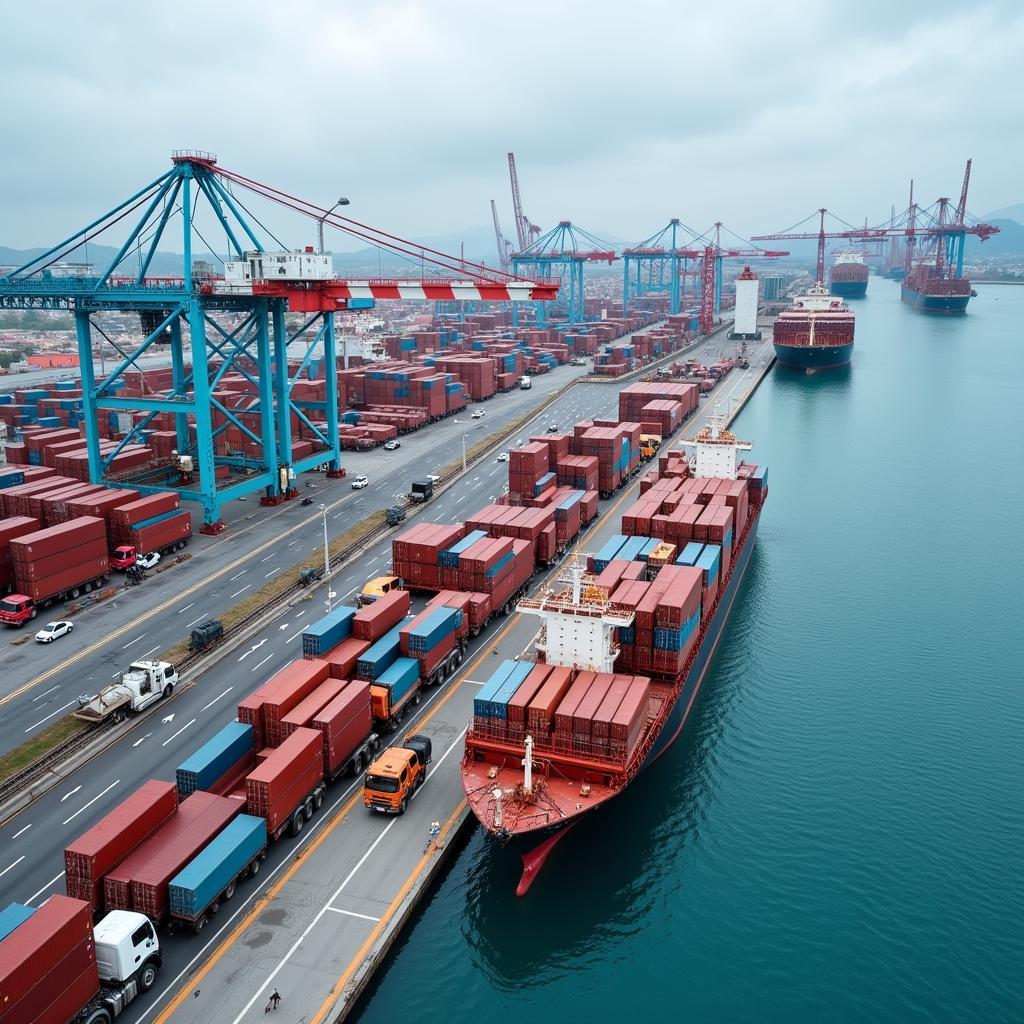
International economic integration policies have profoundly impacted various sectors, including the transport industry. Open markets, reduced tariffs, and fewer trade barriers facilitate goods exchange while presenting significant challenges for transport businesses.
Integration Policies and Their Impact on the Transport Industry
Integration policies have significantly boosted import and export activities, leading to increased demand for freight transportation. This creates substantial opportunities for transport companies to expand operations, invest in infrastructure, and enhance service quality. Participating in free trade agreements also reduces transportation costs and strengthens the competitiveness of Vietnamese goods in the international market. However, integration policies also pose challenges in competing with foreign transport companies, requiring domestic businesses to improve competitiveness, innovate in technology and management to meet increasingly demanding market requirements. Vietnam’s foreign policy since 1978 has laid the foundation for broader economic integration, bringing both opportunities and challenges to the transport industry.
Impact of integration policies on the transport industry
Opportunities for Vietnamese Transport Businesses
Integration policies unlock numerous opportunities for Vietnamese transport businesses. Specifically:
- Market Expansion: Access to broader markets regionally and internationally.
- Cost Reduction: Lower tariffs and fewer trade barriers.
- Investment Attraction: Attracting foreign investment in transport infrastructure and technology.
- Enhanced Competitiveness: Driving businesses to innovate and improve service quality.
Challenges to Overcome
Besides opportunities, integration policies present significant challenges:
- Intense Competition: Competing with experienced foreign transport companies with advanced technology.
- High-Quality Requirements: Meeting international standards for service quality and transport safety.
- Technological Innovation: Investing in modern technology to enhance operational efficiency.
Integration Policies and Truck Types
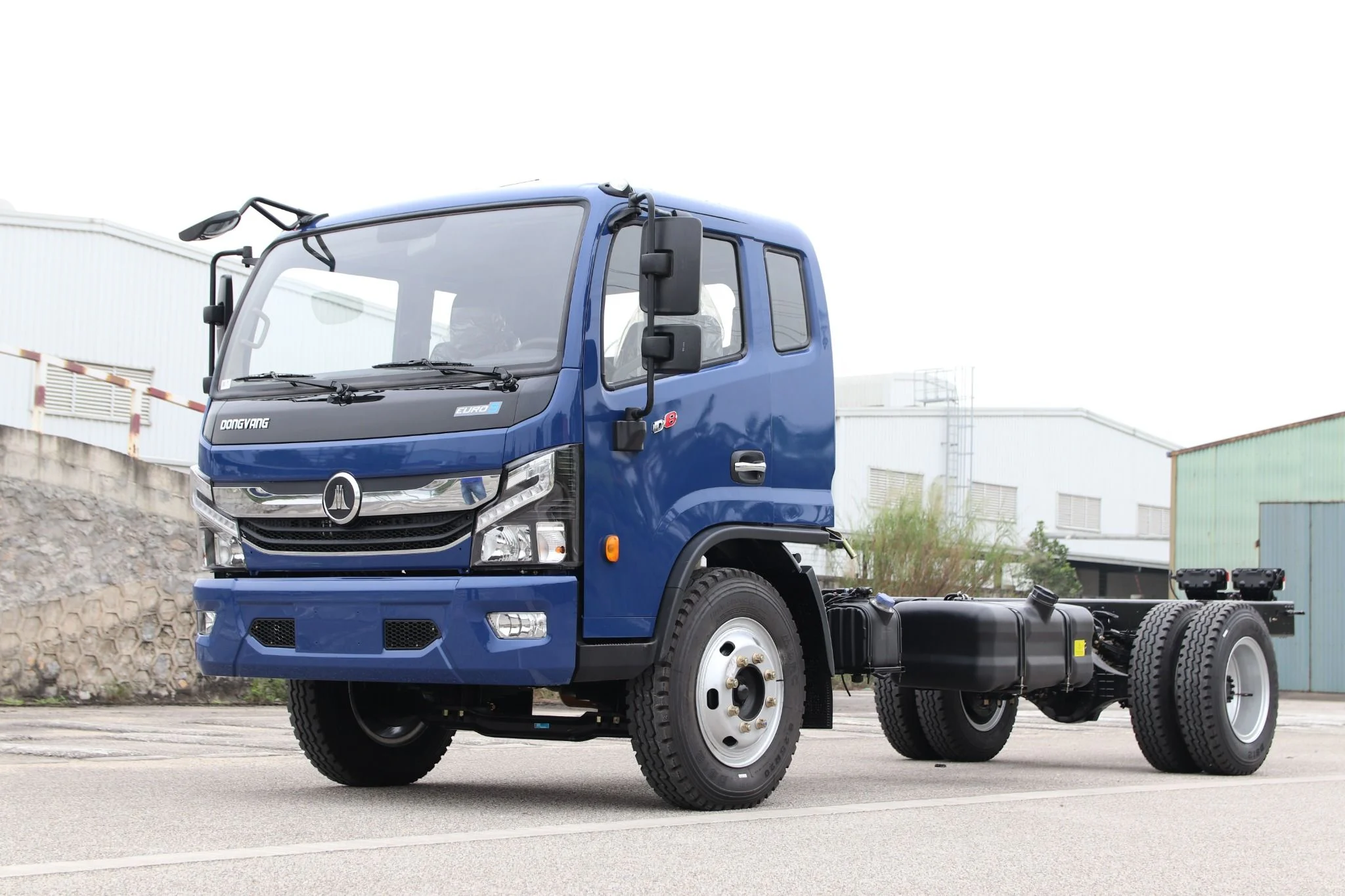
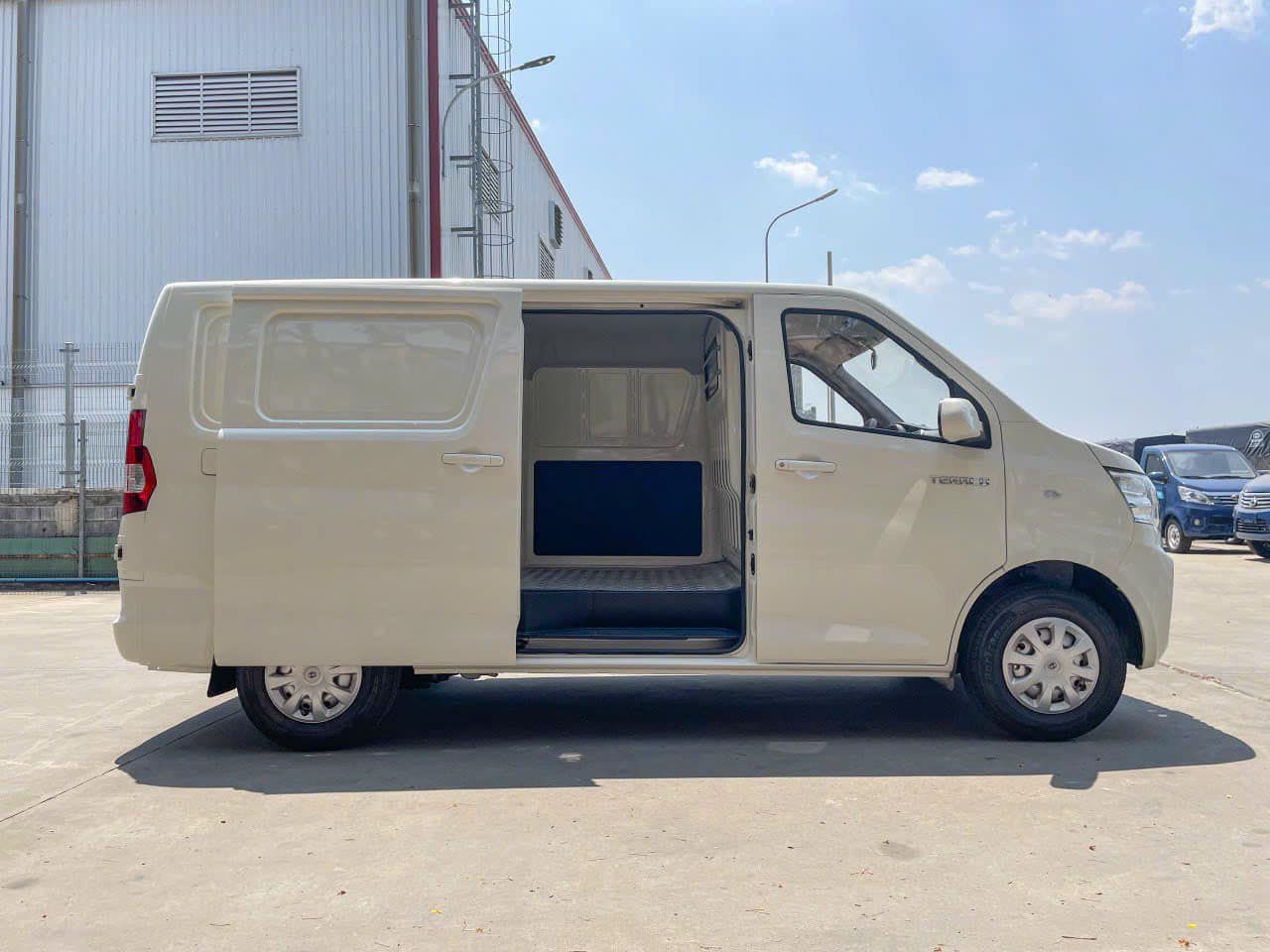
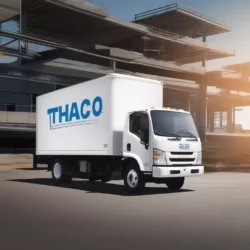
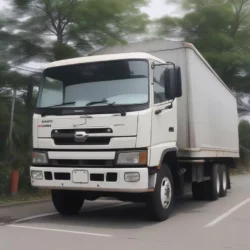
Integration policies influence the selection and use of trucks. For instance, international freight transport requires container trucks and heavy-duty enclosed trucks, such as 8-ton trucks. For domestic transport, light trucks of 1 ton, 2 tons, 3.5 tons, and vans remain crucial for distributing goods to retail outlets. Vietnam’s foreign policy after the Cold War has contributed to the development of the transport industry, facilitating the use of various truck types.
Mr. Nguyen Van A, a logistics expert in Hanoi, stated: “Integration policies require transport companies to be flexible in selecting and using suitable trucks for each type of goods and transportation route.”
Ms. Tran Thi B, Director of a transport company, shared: “We have invested in modern trucks that meet Euro 4 and Euro 5 emission standards to enhance our competitiveness in the context of integration.”
Conclusion
Integration policies bring both opportunities and challenges to the transport industry. To capitalize on opportunities and overcome challenges, transport businesses need to proactively innovate, improve service quality, invest in technology, and train human resources. Inclusive education policy can also be applied in training human resources for the transport sector. Integration policies are a crucial driving force for the sustainable development of Vietnam’s transport industry.
FAQ
- What are integration policies?
- How do integration policies impact the transport industry?
- Which truck types are suitable for international transport?
- How can the competitiveness of transport businesses be enhanced?
- Do integration policies affect transport rates?
- What should transport businesses do to adapt to integration policies?
- What resources support transport businesses in the context of integration?
For assistance, please contact us at Phone Number: 0968239999, Email: [email protected] Or visit us at: TT36 – CN9 Road, Tu Liem Industrial Zone, Phuong Canh Ward, Nam Tu Liem District, Hanoi. We have a 24/7 customer service team.