Vietnam’s education and training policies play a crucial role in shaping the country’s human capital development. This article delves into the core components of these policies, their significance, and their impact on socio-economic progress.
The Importance of Education and Training Policies
Education and training policies form the bedrock of a nation’s sustainable development. They shape the education system, from early childhood to higher education and beyond, ensuring a supply of skilled individuals equipped with the knowledge and capabilities demanded by the labor market. Effective policies enhance educational quality, promote research and innovation, directly impacting labor productivity, economic growth, and national competitiveness. Moreover, these policies contribute significantly to poverty reduction, literacy improvement, and the establishment of an equitable and civilized society.
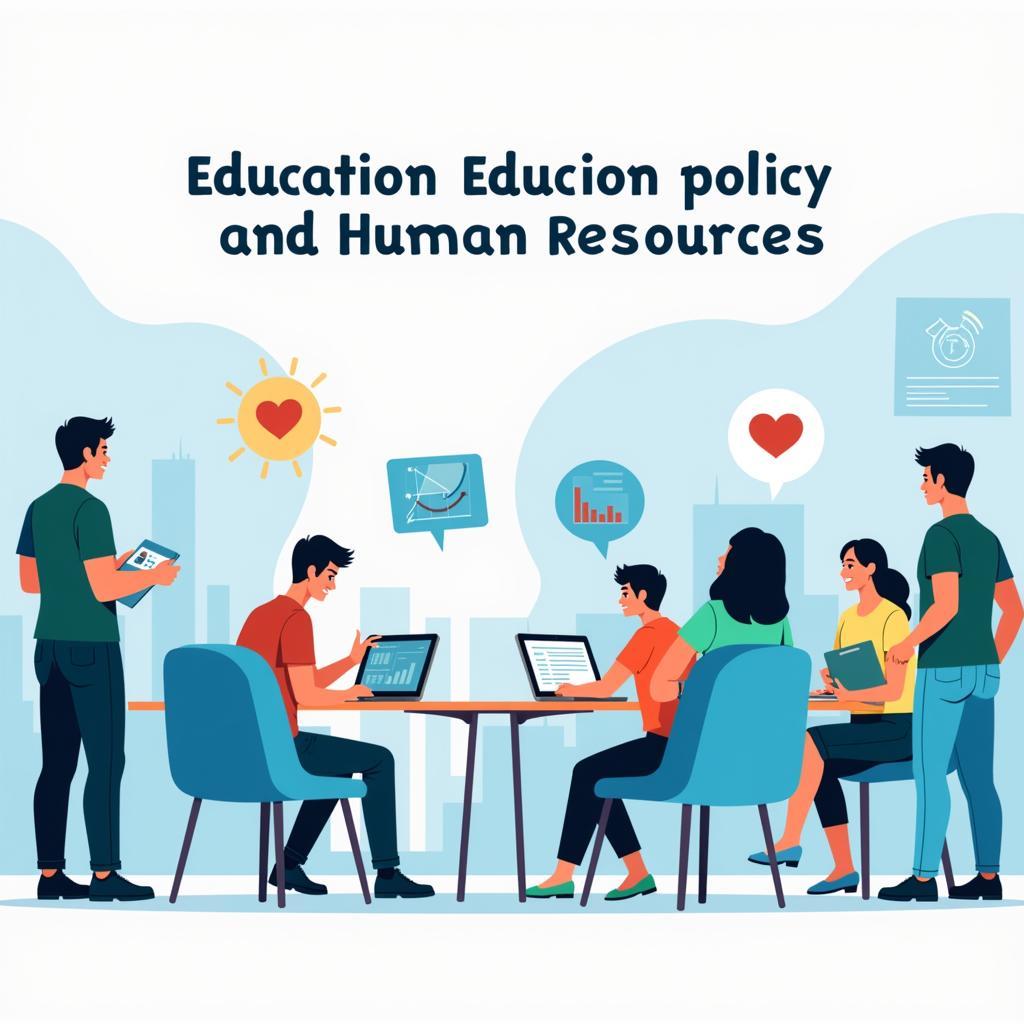
Vietnamese education policy and human resources
Key Aspects of Education and Training Policies
Vietnam’s education and training policies encompass several vital aspects. Firstly, educational objectives define the core values and knowledge that the system aims to impart. Secondly, curriculum development involves defining learning content, teaching methodologies, and assessment strategies. Infrastructure and teacher development are also crucial, requiring substantial investment to ensure quality education. Finally, well-designed financial and management policies are essential for the efficient operation of the entire system. diendansinhvienhanhchinh policy analysis provides further insights into policy analysis.
Vocational Training Policy
Vocational training plays a vital role in supplying skilled labor to various industries. Policies in this area should focus on improving training quality, meeting labor market demands, and fostering collaboration between training institutions and businesses.
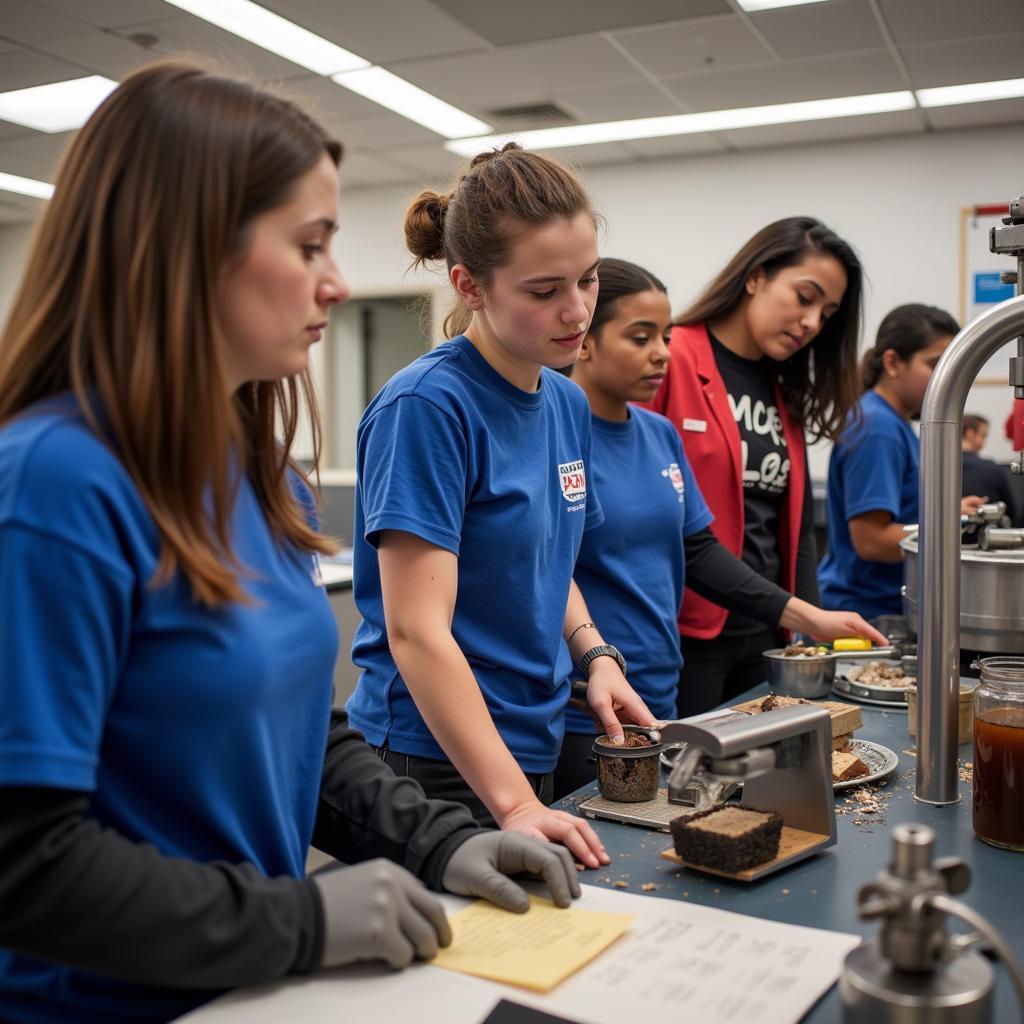 High-quality vocational training in Vietnam
Higher Education Policy
Higher education is fundamental to scientific research and the development of a highly skilled workforce. Policies governing higher education should prioritize quality enhancement, research promotion, and international collaboration. Similar to the one-child policy, education policies must adapt to evolving circumstances.
Impact of Education and Training Policies on Socio-Economic Development
Education and training policies directly impact socio-economic development. An effective education system provides a skilled workforce, fuels economic growth, and enhances national competitiveness. Simultaneously, education contributes to reducing social inequality, improving literacy rates, and fostering a just and civilized society. The safe zone village policy exemplifies a policy with profound societal impact.
Conclusion
Education and training policies are pivotal in developing human resources and driving socio-economic progress. Formulating and implementing these policies effectively is a crucial task requiring the participation and contribution of the entire society. Information on ESG policy and policies for female workers may also be valuable.
For assistance, please contact us at Phone: 0968239999, Email: [email protected] or visit us at: TT36 – CN9 Road, Tu Liem Industrial Zone, Phuong Canh Ward, Nam Tu Liem District, Hanoi. We have a 24/7 customer service team.