Recently, while enjoying iced tea with an old friend who deals in used trucks, he sighed and said, “People are getting very clever these days. They can make a rebuilt engine look brand new. It’s easy for the untrained eye to be fooled!” His words reminded me of the constant worry of buying a used vehicle, especially the fear of purchasing one with a rebuilt engine. So, I’ve decided to share this guide to help you identify a car with a rebuilt engine and avoid costly mistakes.
Identifying a Rebuilt Engine: Expert Advice
According to Nguyen Van A, chief engineer at XYZ Auto Repair (name generated by chatbot), to identify a car with a rebuilt engine, you should pay attention to the following:
1. General Vehicle Inspection
Engine Sound: Start the car and listen carefully to the engine. A rebuilt engine often produces loud, rough noises, unusual vibrations, and sounds different from an original engine. Exhaust Smoke: Observe the color of the exhaust smoke when the engine is running. Unusual blue or black smoke might indicate engine damage due to a rebuild. Paint: Thoroughly inspect the paint, especially around the engine compartment. Fresh paint might be an attempt to conceal major repairs. VIN and Engine Number: Compare the VIN and engine number on the vehicle with the registration documents. Discrepancies should raise a red flag.
2. Detailed Engine Inspection
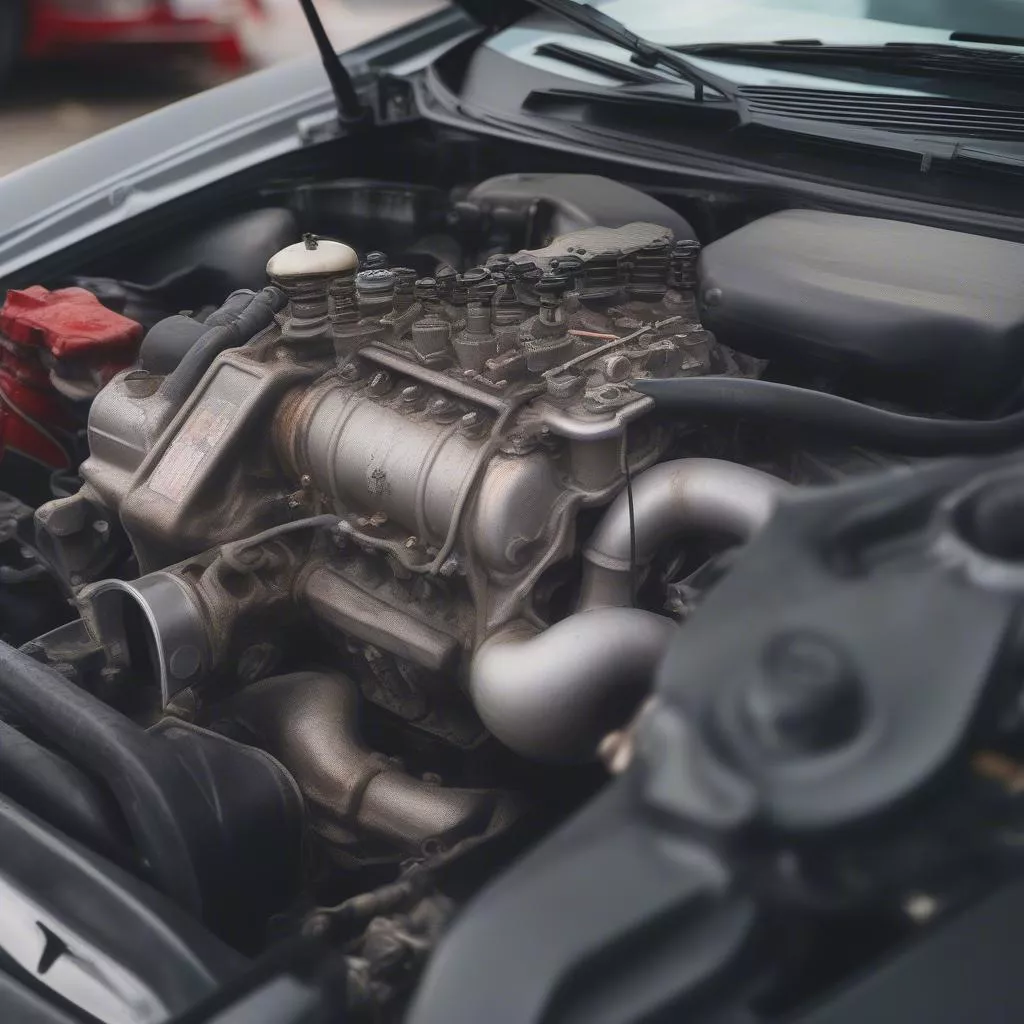
Open the Hood: Carefully examine the components inside the engine bay, especially the bolts on the engine. Signs of tampering, scratches, or unusual wear could indicate a rebuilt engine. Engine Oil: Check the color and viscosity of the engine oil. The oil in a car with a rebuilt engine is often darker and thinner than usual.
Damaged engine in a car with a rebuilt engine









