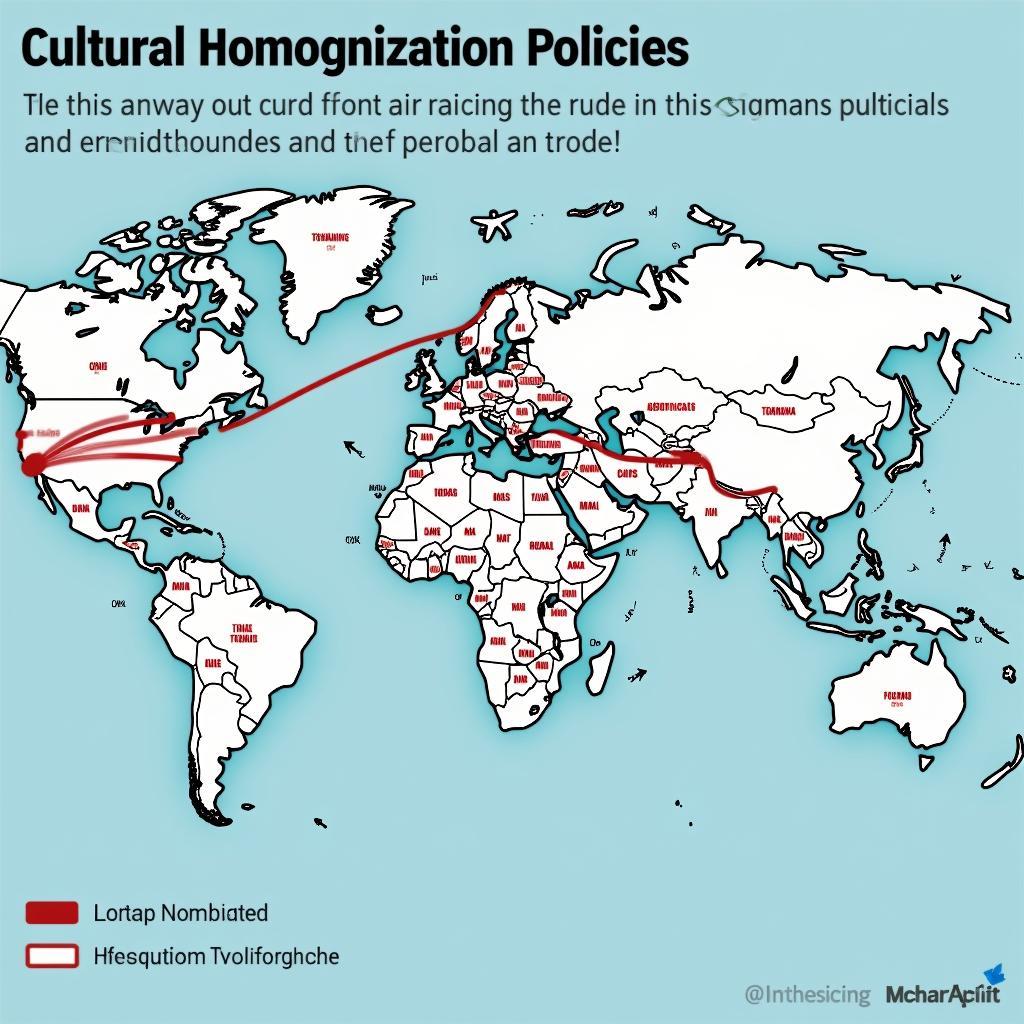
Cultural homogenization is a complex and often controversial topic. This article will explore the impact of cultural homogenization policies, specifically their influence on the transportation industry.
The Impact of Cultural Homogenization Policies on the Transportation Industry
Cultural homogenization policies can affect many aspects of the transportation industry, from communication between stakeholders to the movement of goods across borders. Cultural differences can lead to misunderstandings, making it difficult to negotiate contracts and conduct business transactions. The implementation of cultural homogenization policies can reduce these barriers, facilitating international transportation activities.
A prime example is the use of English as the common language in the aviation industry. This allows pilots and air traffic controllers from different countries to communicate effectively, ensuring the safety of flights. Similar to policy enforcement campaigns, the application of a common set of rules helps minimize risks and enhance operational efficiency.
The impact of cultural homogenization policies on the transportation industry
Challenges and Opportunities of Cultural Homogenization in Transportation
While cultural homogenization policies can offer numerous benefits to the transportation industry, they also pose some challenges. Imposing a unified culture can lead to the loss of local cultural identity. This is particularly important in the transportation of culturally specific products, such as handicrafts or traditional foods. Preserving and respecting cultural diversity is essential. To understand more about the 2018 fiscal policy, you can see the complexities of balancing economic and cultural factors.
However, cultural homogenization policies also create new opportunities for the transportation industry. Cultural uniformity can promote international trade, generating increasing demand for freight transportation. This requires transportation companies to enhance their competitiveness, invest in technology, and innovate. A detailed example regarding the 2018 Politburo planning list is the focus on developing transportation infrastructure, facilitating transportation activities.
 Opportunities and challenges of cultural homogenization in transportation
Cultural Homogenization Policies and the Future of the Transportation Industry
Cultural homogenization policies will continue to play a significant role in the development of the transportation industry in the future. Understanding the impact of these policies is crucial for transportation companies to adapt and capitalize on new opportunities. For those interested in policy planning dissertations, this content will be helpful.
“Balancing economic benefits with the preservation of cultural identity is a major challenge for policymakers,” according to Nguyen Van A, a leading economist. “The transportation industry needs to find innovative solutions to meet the demands of international trade while respecting cultural diversity.”
Conclusion
Cultural homogenization policies have a significant impact on the transportation industry, creating both challenges and opportunities. Adapting to these changes is key to success in today’s globalized business environment. This shares similarities with Bich Dong Nam Chinh Nam Sach Hai Duong as both relate to movement and change.
For assistance, please contact us by phone: 0968239999, Email: [email protected] Or visit our address: No. TT36 – CN9 Road, Tu Liem Industrial Park, Phuong Canh Ward, Nam Tu Liem District, Hanoi. We have a 24/7 customer service team.









