“First near the market, second near the river, third near the road” – an old saying highlighting the importance of roads. However, the rapid increase of cars in Hanoi puts immense pressure on the traffic system. A proposed ban on cars entering Hanoi aims to reduce congestion, pollution, and create green spaces. How will this impact freight transport, particularly the use of trucks?
Hanoi’s Proposed Car Ban: An Overview
Goals of the Car Restriction
Restricting cars in certain areas of Hanoi aims to:
- Reduce traffic congestion: Hanoi faces severe congestion, especially during rush hour. Limiting personal vehicles is expected to alleviate this.
- Improve air quality: Vehicle emissions are a major source of air pollution. Restricting cars will significantly improve air quality.
- Prioritize public transportation: Limiting personal vehicles encourages the use of public transport like buses and elevated railways, reducing pressure on roads.
Scope and Restricted Vehicles
Currently, Hanoi hasn’t implemented a complete car ban. Instead, restrictions are based on time, route, and area.
Restricted vehicles:
- Personal cars
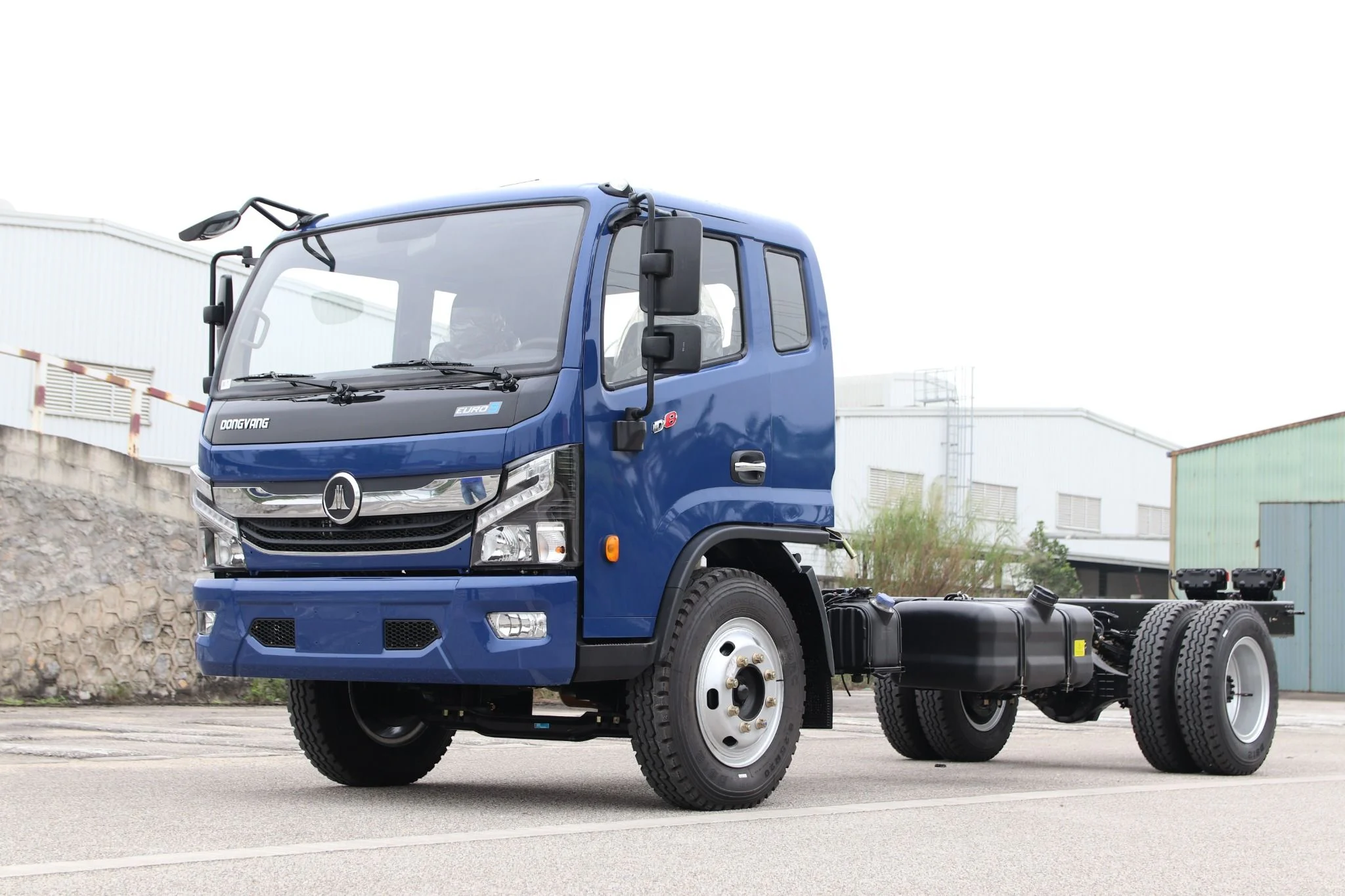
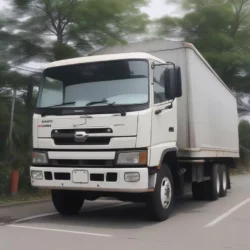
- Heavy trucks
- Buses
Frequently restricted areas:
- Old Quarter
- Certain central streets
- Narrow streets with high population density
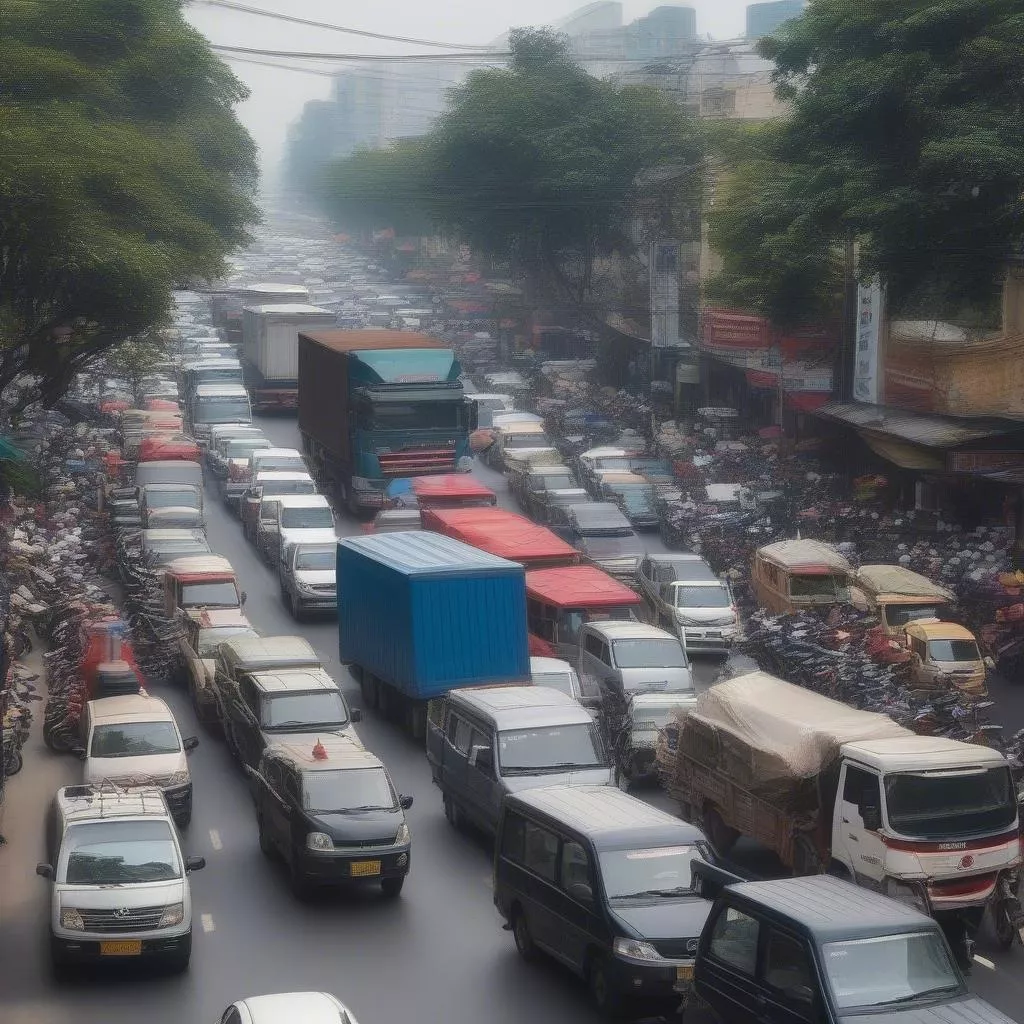
Truck in Hanoi's inner city
Impact of the Car Ban on Truck Freight Transport
Challenges for the Transport Industry
- Limited operating hours: Bans on trucks entering the city center during certain hours force companies to reschedule, impacting efficiency.
- Increased transportation costs: Companies must find alternatives like renting warehouses outside the city and using smaller trucks for transfers, increasing costs.
- Difficulty reaching customers: Restrictions hinder delivering goods directly to customers.
Opportunities for Agile Transport Companies
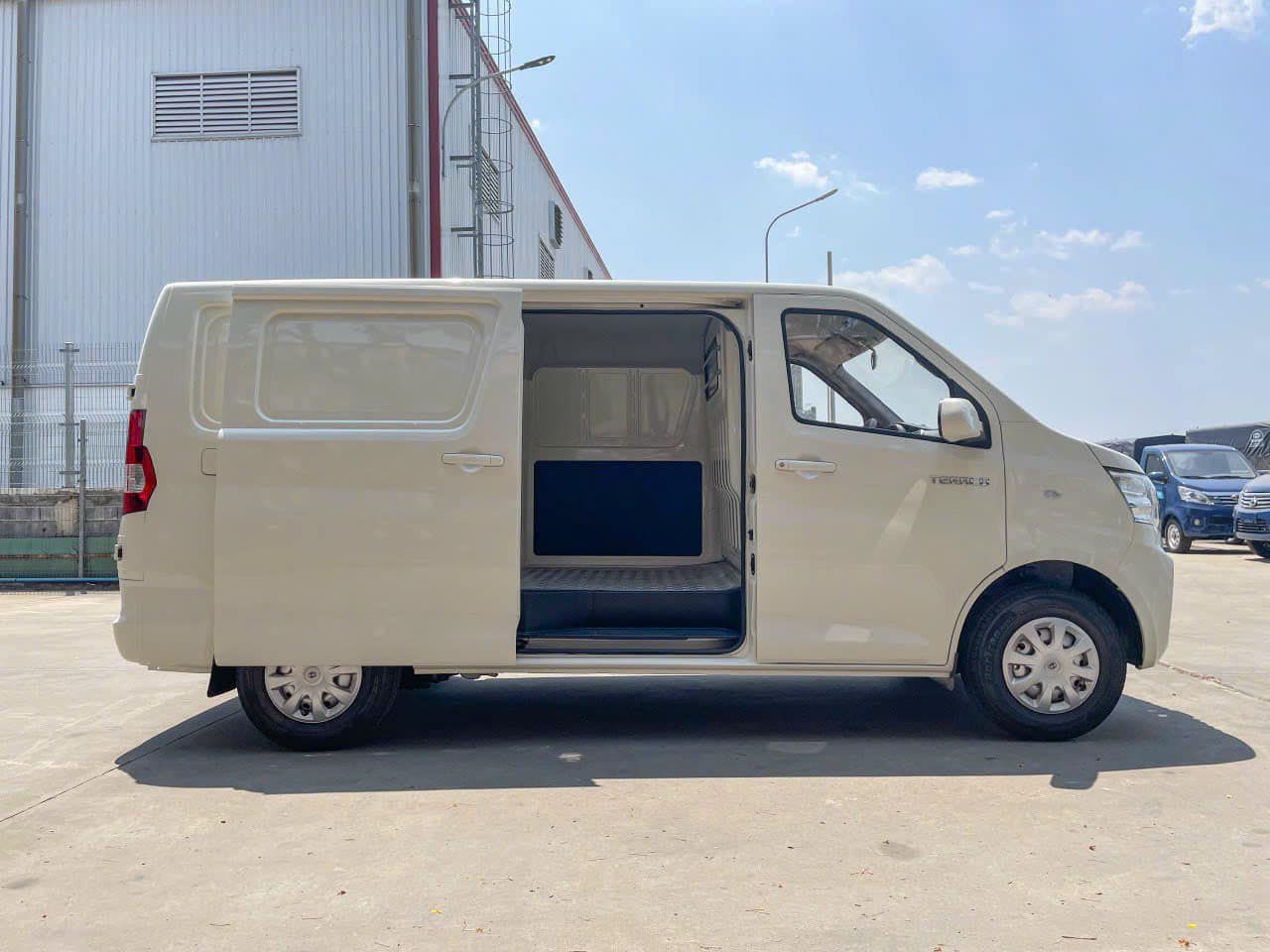
- Increased demand for small-scale transport: Restrictions on large trucks create opportunities for smaller companies using light trucks and pickups for inner-city deliveries.
- Development of optimized logistics solutions: Companies can invest in technology and build smart logistics systems, optimizing processes and reducing costs.