Are you planning to buy a used car? Or do you need to assess the condition of your current vehicle before scheduling maintenance or repairs? A comprehensive car inspection checklist is crucial for making informed decisions. This guide provides valuable insights into using a car inspection checklist effectively.
Importance of a Car Inspection Checklist
1. Protecting the Buyer’s Interests:
- Helps buyers understand the true condition of the car before purchasing.
- Serves as evidence to protect buyer rights in case of disputes regarding the car’s quality after purchase.
2. Transparency for the Seller:
- Enables sellers to be transparent about the car’s condition, building trust with potential buyers.
- Reduces the risk of complaints and disputes regarding the car’s quality after the transaction.
3. Aiding Maintenance and Repairs:
- Documents the car’s condition before maintenance or repairs, clearly identifying necessary repairs.
- Provides a baseline for comparing and evaluating the effectiveness of maintenance and repairs.
4. Connecting Buyers and Sellers:
- Serves as a transparent tool, fostering trust between both parties during the transaction.
- Facilitates a smooth and efficient buying and selling process.
Detailed Car Inspection Checklist & User Guide
1. General Information:
- Vehicle Make and Model: (e.g., Toyota Vios, Honda Civic)
- License Plate Number: (e.g., 29A – 123.45)
- Year of Manufacture: (e.g., 2018)
- VIN (Vehicle Identification Number): (e.g., ABC1234567890)
- Engine Number: (e.g., XYZ9876543210)
- Owner’s Name: (e.g., John Smith)
- Contact Phone Number: (e.g., 0912345678)
- Inspection Date: (e.g., 10/10/2023)
- Inspection Location: (e.g., ABC Auto Repair Shop)
- Inspector’s Name: (e.g., John Doe – Technician at ABC Auto Repair Shop)
2. Inspection Details:
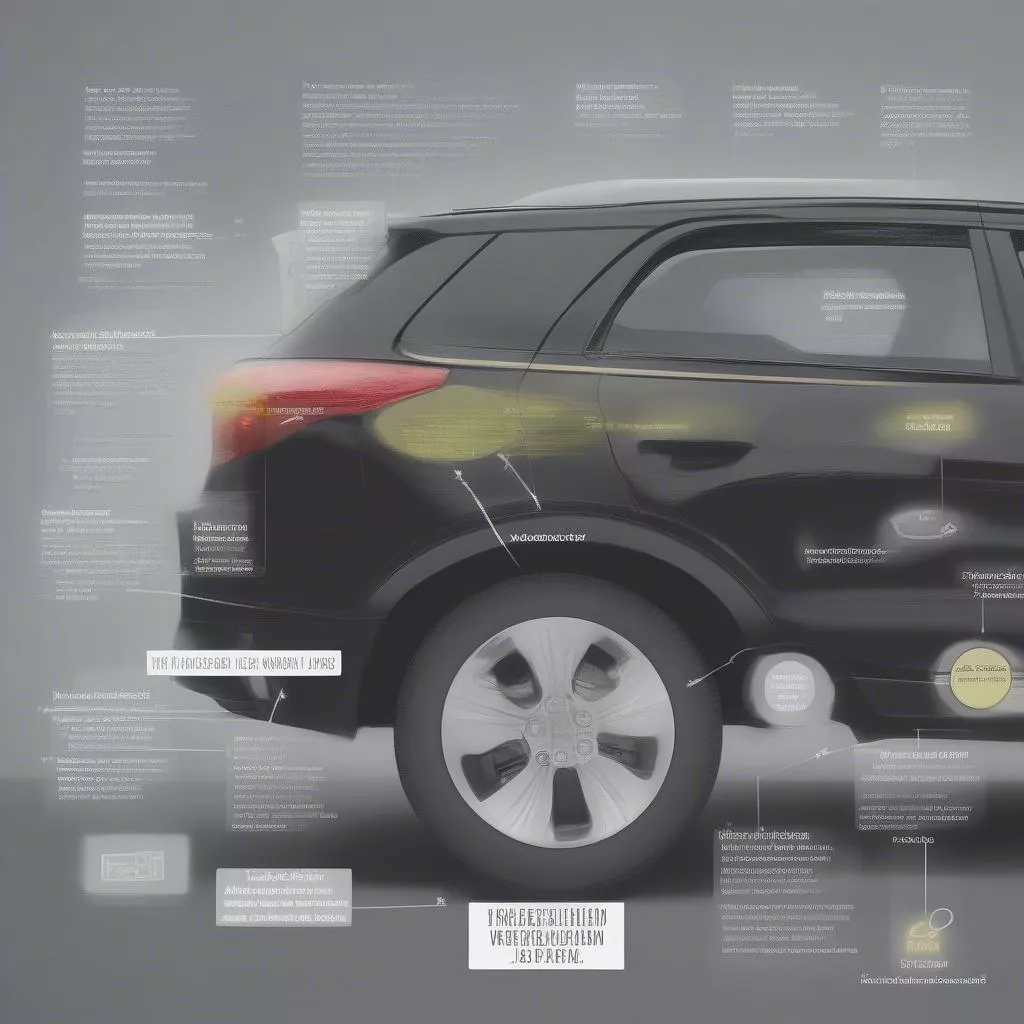
- Exterior:
- Paint condition and color: (e.g., Original paint, repainted, color)
- Lighting condition: (e.g., Original lights, replaced lights, functioning properly, needs repair)
- Glass condition: (e.g., Original glass, replaced glass, cracks, chips)
- Mirror condition: (e.g., Original mirrors, replaced mirrors, broken, cracked)
- Tire condition: (e.g., Original tires, replaced tires, worn, damaged)
- Wheel condition: (e.g., Original wheels, replaced wheels, bent, rusted)
Image illustrating the car’s exterior:
Inspecting the exterior of a used car
- Interior:
- Seat condition: (e.g., Original seats, replaced seats, torn, stained)
- Dashboard and steering wheel condition: (e.g., Original dashboard, replaced dashboard, cracked, scratched)
- Audio and air conditioning system condition: (e.g., Original audio, replaced audio, functioning properly, needs repair)
- Interior lighting condition: (e.g., Original lights, replaced lights, functioning properly, needs repair)
Image illustrating the car’s interior:
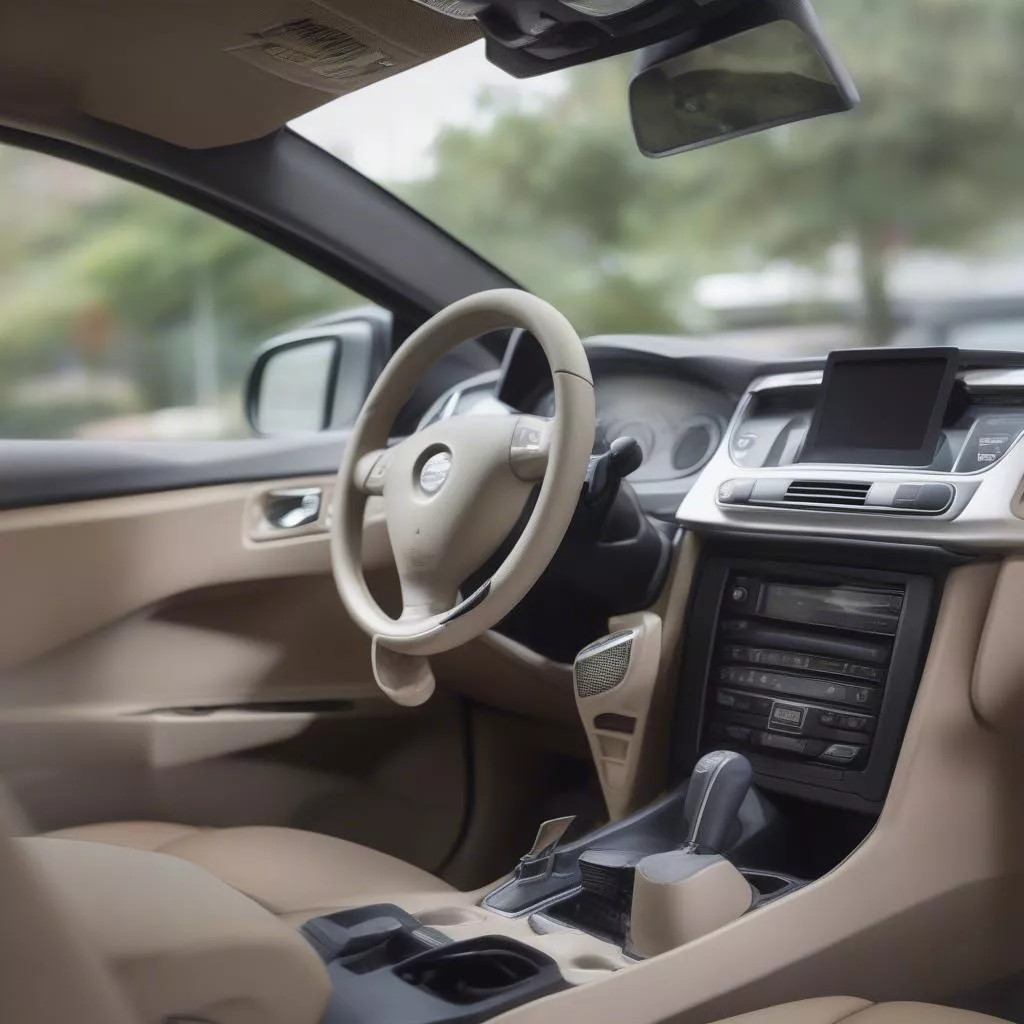 Inspecting the interior of a used car
- Engine:
- Engine condition: (e.g., Original engine, replaced engine, functioning properly, needs repair)
- Cooling system condition: (e.g., Original cooling system, replaced cooling system, functioning properly, needs repair)
- Fuel system condition: (e.g., Original fuel system, replaced fuel system, functioning properly, needs repair)
- Exhaust system condition: (e.g., Original exhaust system, replaced exhaust system, functioning properly, needs repair)
- Drivetrain:
- Transmission condition: (e.g., Original transmission, replaced transmission, functioning properly, needs repair)
- Clutch condition: (e.g., Original clutch, replaced clutch, functioning properly, needs repair)
- Axle condition: (e.g., Original axle, replaced axle, functioning properly, needs repair)
- Electrical System:
- Battery condition: (e.g., Original battery, replaced battery, functioning properly, needs repair)
- Electrical system condition: (e.g., Original electrical system, replaced electrical system, functioning properly, needs repair)
- Safety:
- Brake system condition: (e.g., Original brake system, replaced brake system, functioning properly, needs repair)
- Suspension system condition: (e.g., Original suspension, replaced suspension, functioning properly, needs repair)
- Airbag condition: (e.g., Original airbags, replaced airbags, functioning properly, needs repair)
- Notes: (Record any other information about the car’s condition, e.g., accident history, flood damage)
3. Conclusion:
- Overall Condition Summary: (e.g., Car is in good working condition, requires minor repairs)
- Overall Quality Assessment: (e.g., Good quality, average quality, poor quality)
- Recommendations: (e.g., Recommended repairs before use, thorough inspection before purchase)
4. Signatures and Stamps:
- Inspector: (Signature, printed name, stamp if applicable)
- Inspected Party: (Signature, printed name)
Important Considerations When Using a Car Inspection Checklist
- Thorough Inspection: Inspect the car meticulously, paying attention to small details to identify potential issues.
- Detailed Notes: Record comprehensive and detailed notes about the car’s condition, avoiding vague or general statements.
- Precise Language: Use accurate and clear language to prevent misunderstandings.
- Joint Signature: Both the buyer and seller should sign the checklist to indicate agreement with the inspection findings.
- Preserve the Checklist: Keep the checklist in a safe place to prevent loss or alteration.
Spirituality & Feng Shui
Choosing a vehicle, including a car, can influence one’s destiny. According to Feng Shui, color, seating capacity, VIN, engine number, and manufacturing date hold specific meanings. Consulting a Feng Shui expert can help you choose a car that aligns with your destiny, bringing good luck and prosperity.
Frequently Asked Questions (FAQs):
1. How can I tell if a car has been in an accident?
- Carefully examine the exterior for inconsistencies like mismatched paint, cracks, dents, misaligned panels, or gaps.
- Check the chassis and VIN for signs of repair or welding.
2. What should I inspect when buying a used car?
- Inspect the exterior, interior, engine, drivetrain, electrical system, safety features, and other specific components depending on the car type.
3. Where can I buy a used car from a reputable dealer?
- Purchase from reputable dealerships with experience, warranties, and reliable maintenance services.
- Verify the car’s history and origin.
4. Does a car inspection checklist have legal value?
- Yes, a car inspection checklist can serve as legal evidence in case of disputes.
5. How can I avoid buying a “lemon”?
- Thoroughly inspect the car and research its history before purchasing.
- Consider seeking professional help from a car inspector.
6. Which car inspection checklist template should I use?
- Numerous templates are available online, or you can consult a professional for guidance.
- Choose a comprehensive template that meets your specific needs.
Related Resources:
- Car Purchase Agreement Template
- Vehicle Handover Checklist
- Car Warranty Form
- Periodic Vehicle Inspection Form
More Questions to Consider:
- Should I buy a used truck or a new truck?
- How can I maintain my truck effectively?
- Which truck types suit my transportation needs?
Contact Us for Support:
For further assistance with car inspection checklists or any truck-related inquiries, feel free to contact XE TẢI HÀ NỘI. We’re available 24/7 to assist you. Call our Hotline: 0968 239 999 or leave a message on our website “xetaihanoi.edu.vn”.
We wish you success in finding the perfect truck for your needs!









