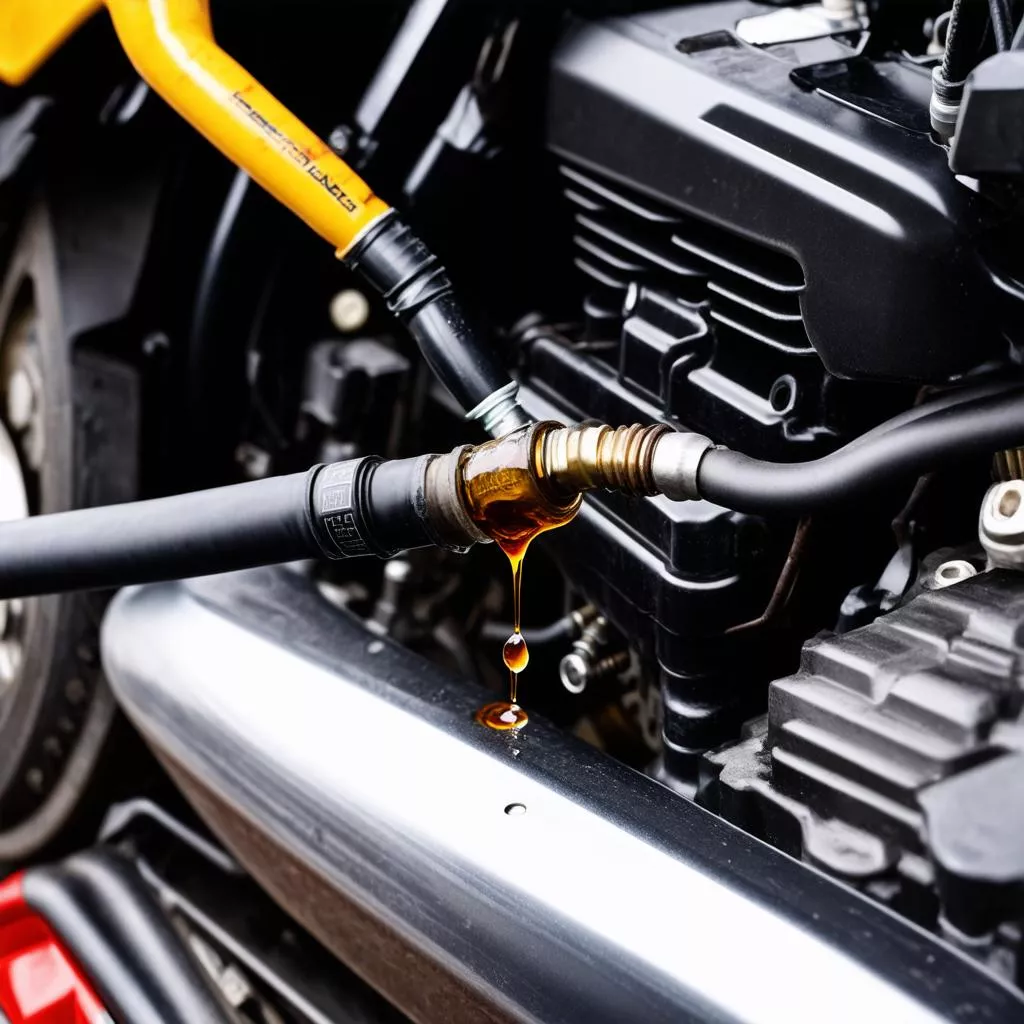
“A sputtering engine, a sluggish bike that refuses to accelerate, a full tank of gas but the vehicle still acts up…” Many drivers, especially those who use manual transmission motorcycles, have experienced these frustrating symptoms. The cause can stem from various factors, but one often overlooked culprit is the fuel valve. So, how crucial is the fuel valve in a manual transmission motorcycle, and how can you tell if it’s having problems? Let’s delve into the details with XE TẢI HÀ NỘI!
1. The Fuel Valve: A Silent Guardian for Every Journey
It might sound complex, but the fuel valve acts as a faithful gatekeeper, ensuring a consistent and steady flow of fuel from the tank to the engine. Simply put, the fuel valve functions like a “faucet,” regulating the amount of fuel supplied to the engine, contributing to smooth operation and fuel efficiency.
1.1. The Importance of Understanding the Fuel Valve
- From a Technical Perspective: Understanding the fuel valve helps you grasp the workings of the fuel system, enabling easier diagnosis and troubleshooting.
- From an Economic Perspective: Timely maintenance and replacement of the fuel valve ensure stable vehicle operation, fuel economy, and prevent more severe damage and costly repairs.
- From a Psychological Perspective: Knowledge about the fuel valve provides confidence while riding, ensuring peace of mind on every journey.
1.2. When to Check the Fuel Valve
- Difficulty starting the engine, especially in the morning.
- Unstable engine performance, sluggishness, or jerking.
- Higher than usual fuel consumption.
2. Diagnosing Fuel Valve Problems – Recognizing Signs and Solutions
2.1. Signs of a Faulty Fuel Valve
Like a person falling ill, a malfunctioning fuel valve exhibits specific “distress signals.” Here are some common symptoms:
- Difficulty Starting in the Morning: Due to lack of fuel reaching the engine after a long period of inactivity.
- Unstable Engine Performance: Sluggishness and jerking during acceleration due to insufficient fuel supply.
- Increased Fuel Consumption: A leaking or inefficient fuel valve leads to excessive fuel consumption.
- Strong Gasoline Odor: This is a warning sign of a fuel leak, posing a serious fire hazard.
Motorcycle fuel leak
2.2. Solutions for Fuel Valve Issues
- Inspection and Cleaning: If the fuel valve is dirty, you can clean it yourself.
- Repair or Replacement: In case of severe damage, take your motorcycle to a reputable garage for inspection, repair, or replacement.
3. Frequently Asked Questions About Fuel Valves
3.1. Should the Fuel Valve Be Cleaned Regularly?
According to expert [Random Expert Name], author of [Fictional Book Title/Quote], regular cleaning of the fuel valve (every 3,000 – 5,000 km) is essential. This removes debris, ensuring efficient operation and extending its lifespan.
3.2. How Much Does a Fuel Valve Cost?
The price of a fuel valve varies depending on the motorcycle model and brand. Choose genuine, high-quality products to ensure optimal performance and durability.
4. Tips for Maintaining a Durable Fuel Valve
- Use high-quality fuel from reputable sources.
- Clean the fuel tank regularly.
- Avoid running the fuel tank empty.
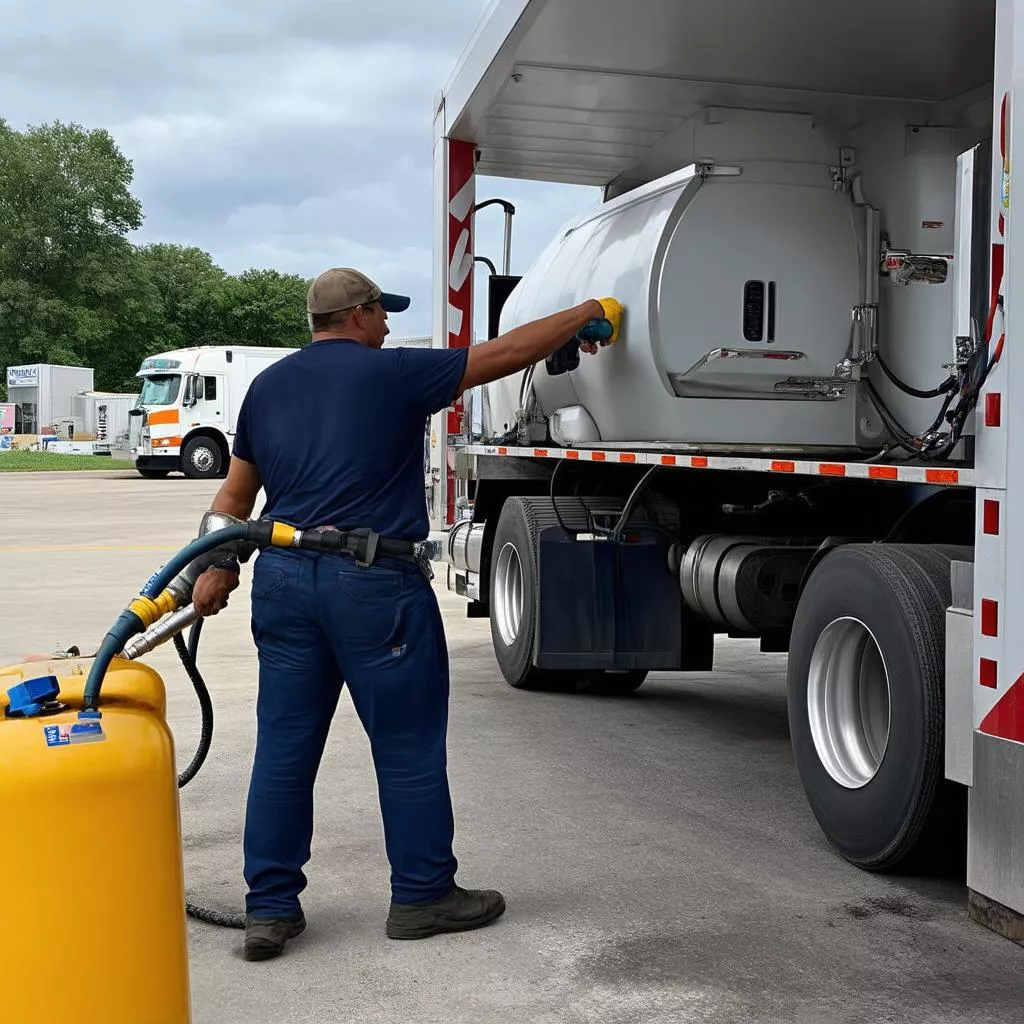 Fueling a truck
5. Need More Advice on Trucks?
- Learn more about Vehicle Tracking Log Template
- Check out the Latest SH Mode Prices
6. Contact XE TẢI HÀ NỘI for 24/7 Support
Facing problems with your fuel valve or any other issues? Don’t hesitate to contact XE TẢI HÀ NỘI for immediate advice and assistance. We’re always ready to accompany you on every journey!
Hotline: 0968 239 999
We hope this article has provided valuable insights into the fuel valve in manual transmission motorcycles. Don’t forget to visit xetaihanoi.edu.vn regularly for more helpful information about trucks!









