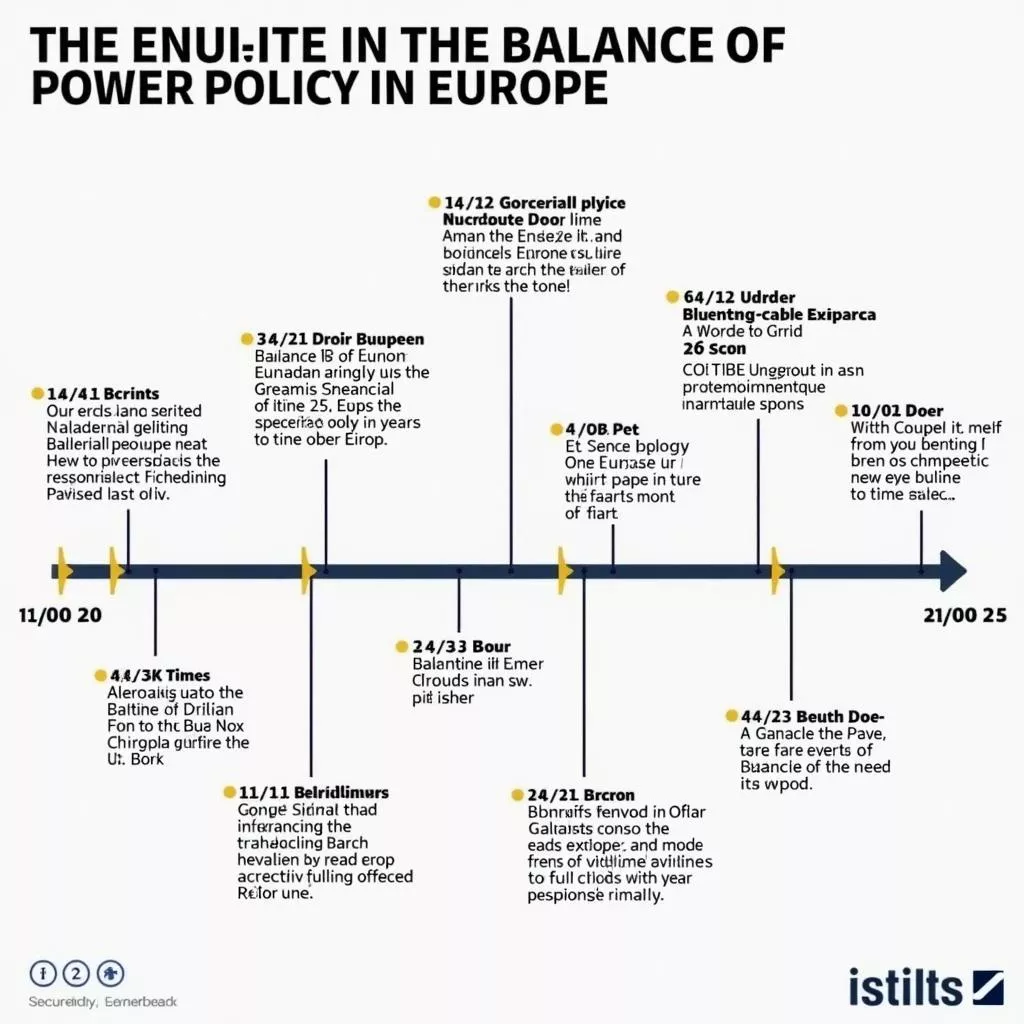
The saying “calm seas don’t make skillful sailors” rings true in many situations, especially when discussing European security. Amidst constant change, the balance of power policy emerges as a steady hand on the wheel, maintaining stability and peace for the continent. But what exactly is this policy, and how does it work? Let’s delve in with XE TẢI HÀ NỘI!
History and Evolution
The history of the balance of power policy
The balance of power is not a new concept; it dates back to antiquity and has been likened to an unspoken rule in international relations. However, it wasn’t until after the Napoleonic Wars that the policy gained formal recognition and widespread application in Europe.
Early Stages: Containing French Dominance
Following Napoleon Bonaparte’s defeat, European powers like Great Britain, Russia, Austria, and Prussia established a balance of power system to prevent any single nation from becoming too powerful and threatening overall stability. The Congress of Vienna (1815) is considered the birthplace of this policy, aiming to create a new world order based on a balance of power among the great powers.
The 19th Century: Multipolar Balance of Power
Throughout the 19th century, the balance of power policy continued to prove effective, helping Europe avoid another large-scale war. The formation of military alliances such as the Holy Alliance (Russia, Austria, Prussia) and the Entente Cordiale (Great Britain, France) clearly demonstrates how European nations consistently sought to maintain a balance of power.
The 20th Century: Two World Wars and Transformation
The 20th century witnessed two devastating world wars that shattered the traditional balance of power system. After World War II, the world entered the Cold War era, marked by the confrontation between two superpowers: the United States and the Soviet Union. The balance of power policy adapted, shifting from a multipolar to a bipolar model.
Post-Cold War: New Challenges and Adaptation
The collapse of the Soviet Union in 1991 ended the Cold War, ushering in a new era for the balance of power policy. In a unipolar world dominated by the United States, this policy faced new challenges, requiring flexible adaptation.
Mechanisms of Operation
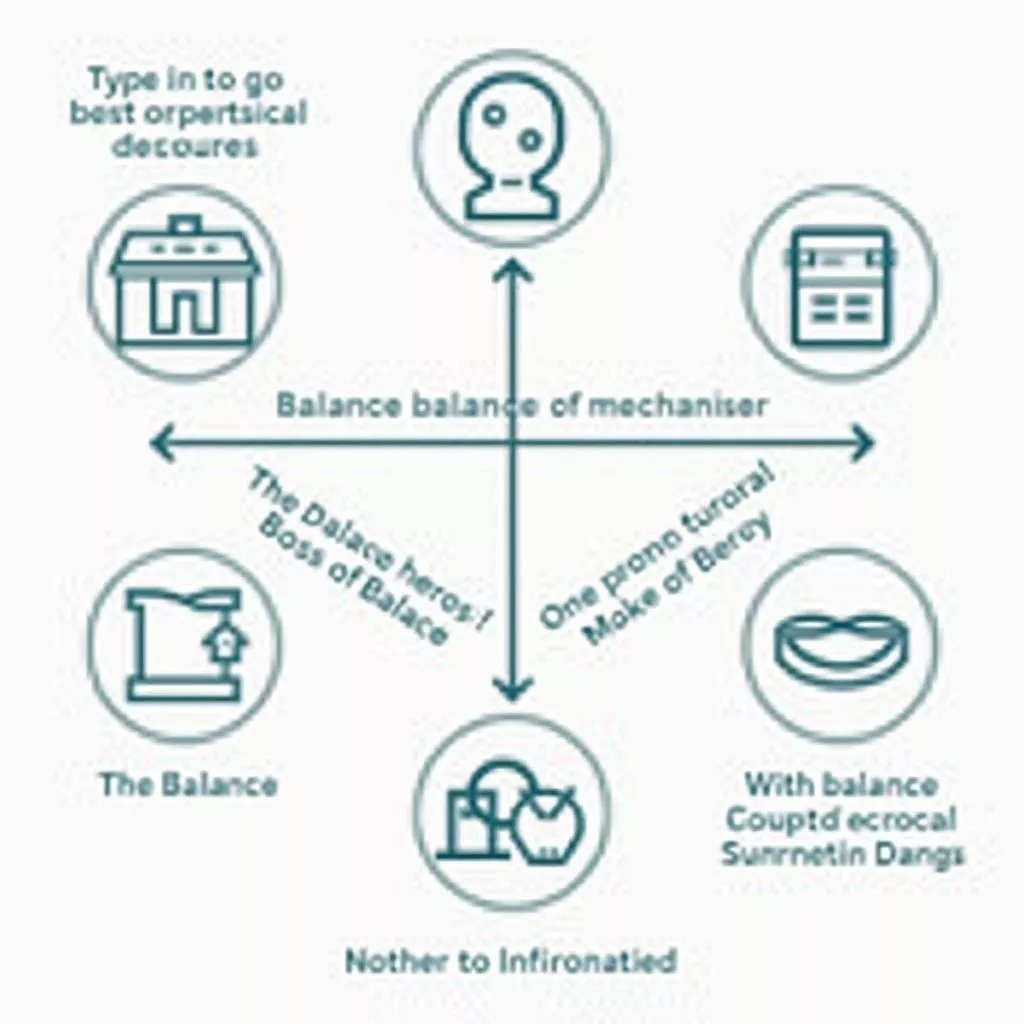 Diagram illustrating the principles of the balance of power policy
So how does the balance of power operate? Imagine a scale, with each side representing the power of nations or alliances. The goal of this policy is to keep the scale balanced, preventing any one side from becoming significantly stronger than the other.
To achieve this, nations employ various diplomatic and military measures, including:
- Alliances: Weaker nations can form alliances to counter a stronger nation or create a counterweight. A prime example is the formation of NATO after World War II to contain Soviet influence.
- Intervention: Powerful nations might intervene in the internal affairs of other countries to prevent the rise of a new power or support a friendly government.
- Diplomacy: Diplomacy plays a crucial role in maintaining the balance of power. Through negotiation and compromise, nations can resolve disputes peacefully and prevent conflicts.
The Balance of Power Today
In an increasingly complex and unpredictable world, with the rise of new powers like China and India, the balance of power policy remains crucial for maintaining global peace and stability.
However, this policy also faces criticism, with some arguing that it can lead to instability and arms races. Furthermore, defining a nation’s “power” is a complex issue, encompassing not only military strength but also economic, political, and cultural factors.
Conclusion
The balance of power policy, despite its limitations, remains a valuable tool in international relations. Understanding this policy provides deeper insights into history and the complex dynamics of the international arena today.
To learn more about policy and law-related topics, explore other articles on XE TẢI HÀ NỘI, such as Construction Warranty Policy or Asus Laptop Warranty Policy.









