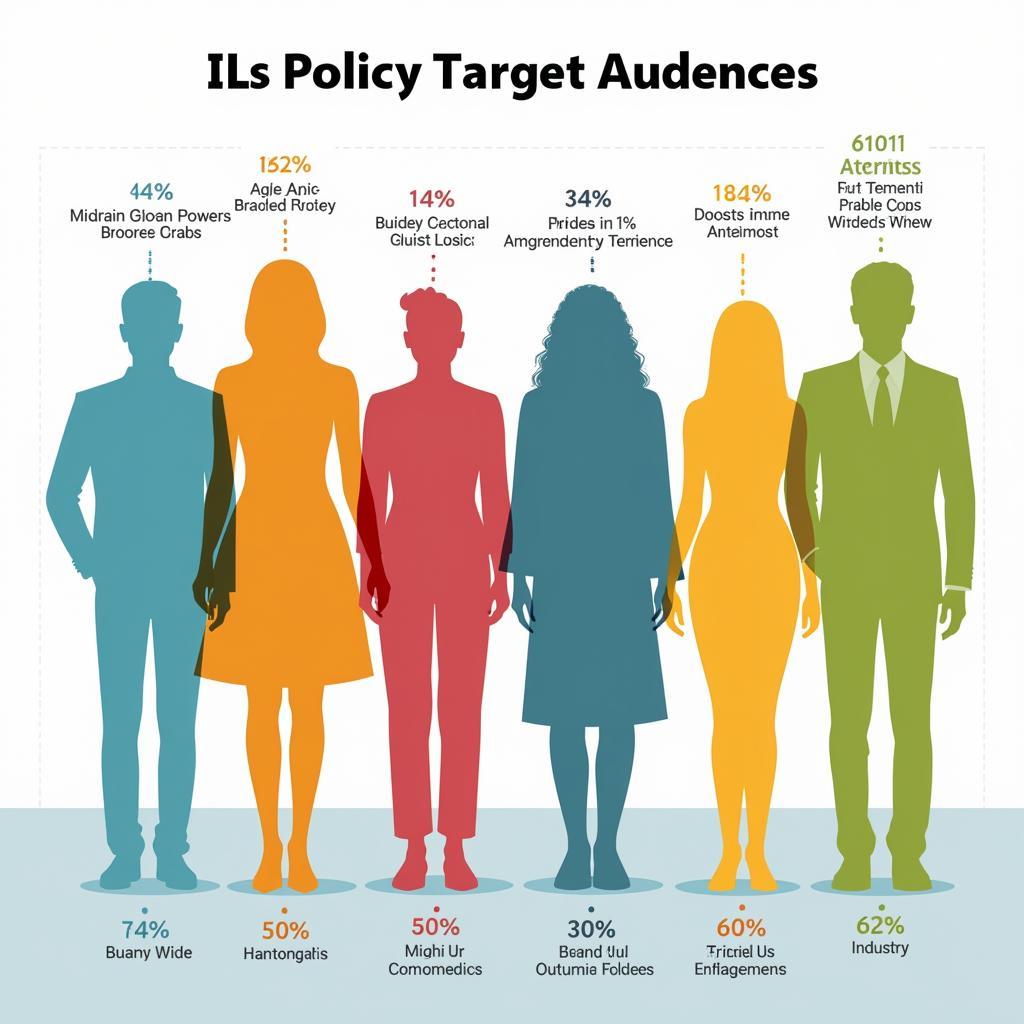
Policy target audiences are the specific groups of individuals, organizations, or communities that a policy is intended to affect or benefit. Identifying the correct target audience is crucial for effective policy design and implementation, ensuring efficient resource allocation and desired outcomes.
Understanding Policy Target Audiences
Defining a policy’s target audience requires a comprehensive understanding of its goals and objectives. It involves analyzing the problem the policy aims to address and identifying the groups most affected. This analysis considers demographics, socioeconomic factors, geography, and behavioral patterns. Clearly defining the target audience is the first step in crafting a resonant policy. For example, a policy promoting small business growth would likely target entrepreneurs, small business owners, and relevant industry associations.
Defining the target audience of a policy
Identifying “Đối Tượng Chính Sách” in English
“Đối Tượng Chính Sách” translates to several English terms depending on context: “target audience,” “target group,” “beneficiaries,” “stakeholders,” and “affected parties.” “Target audience” and “target group” generally refer to the primary recipients of policy benefits. “Beneficiaries” are those who gain from the policy, while “stakeholders” encompass a broader group with interests in the policy’s outcomes. “Affected parties” include those positively or negatively impacted. Understanding these nuances ensures accurate translation.
The Importance of Defining the Target Audience
A well-defined target audience allows policymakers to tailor their approach, messaging, and implementation strategies for maximum impact. For instance, youth-focused policies might utilize social media and influencers, while policies targeting senior citizens might rely on traditional media and community organizations. Understanding the target audience’s communication preferences, cultural sensitivities, and information access is vital for engagement. Without a clear understanding of the target audience, even well-intentioned policies risk ineffectiveness or counterproductivity.
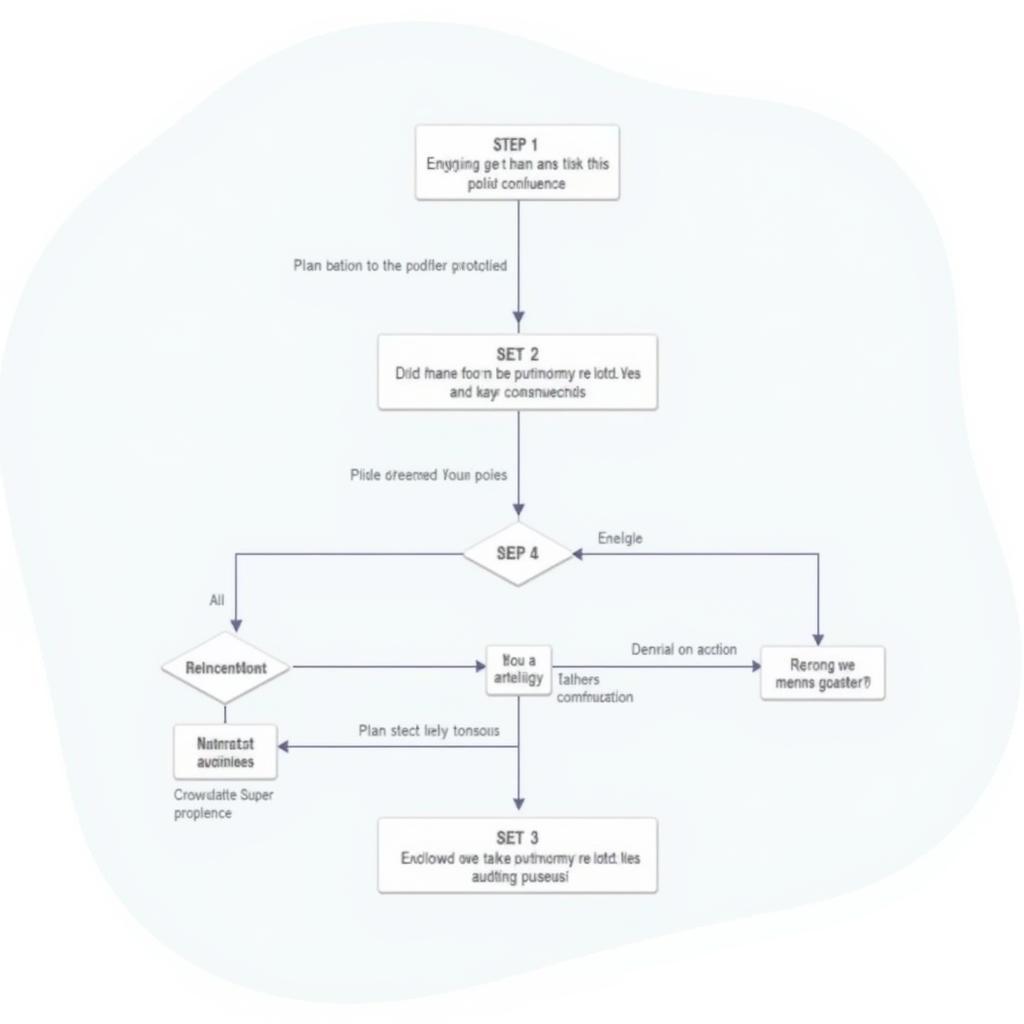 Analyzing the target audience of a policy
Applying Target Audience Analysis to Different Policy Areas
The concept of a target audience is relevant across various policy domains. In healthcare, it ensures health interventions reach those most in need. In education, it informs program design and curriculum development. In environmental policy, it helps tailor conservation efforts and promotes sustainability. Understanding the target audience is paramount for policies addressing economic development, social welfare, or infrastructure, whether aimed at specific demographics, geographic regions, or industries.
Examples of Target Audiences in Specific Policies
-
Policy: Reducing urban traffic congestion.
- Target Audience: Commuters, urban residents, businesses in city centers, public transportation users, and freight companies.
-
Policy: Promoting healthy eating habits.
- Target Audience: Children, parents, schools, food manufacturers, and retailers.
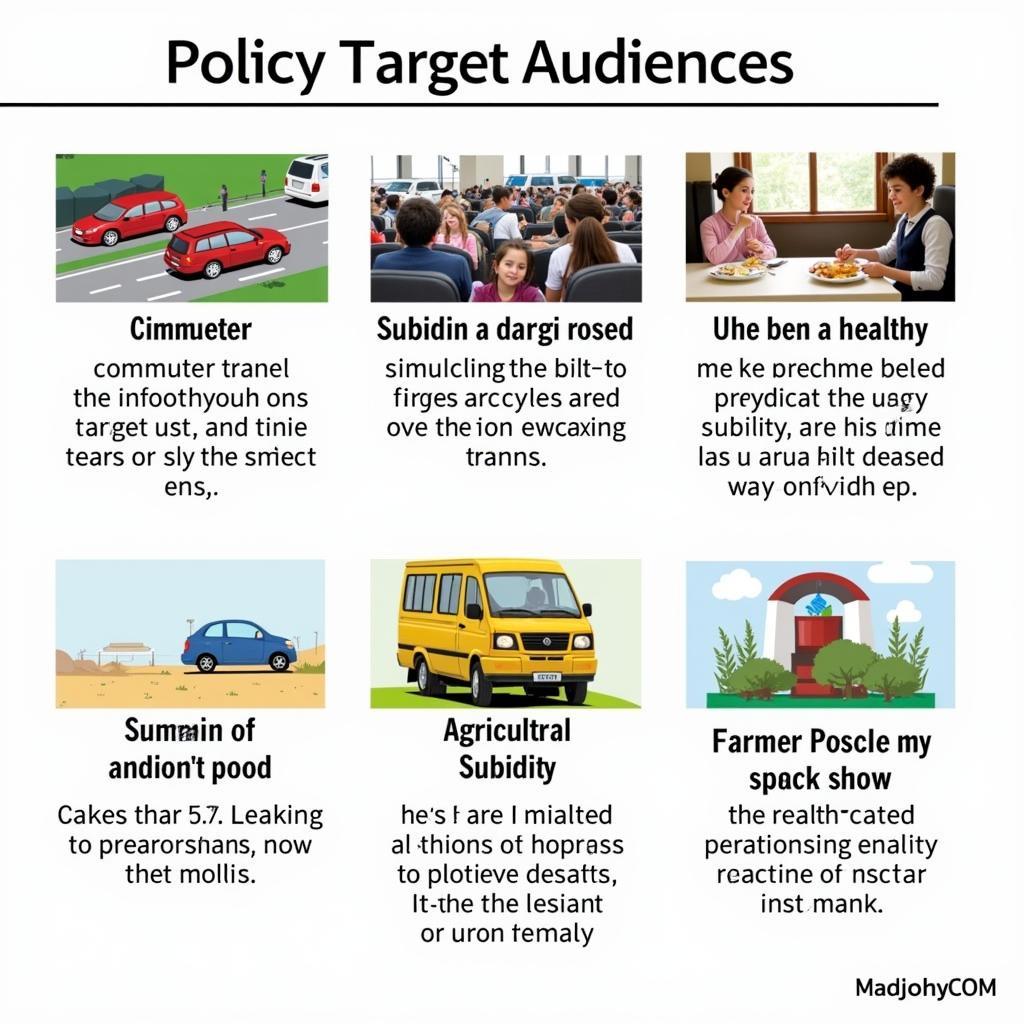 Examples of policy target audiences
Conclusion
Identifying and understanding the target audience is fundamental to effective policymaking. It enables tailored interventions, efficient resource allocation, and a higher likelihood of achieving desired outcomes. By considering the target audience’s needs, characteristics, and communication preferences, policymakers can ensure policies resonate with those they intend to benefit.
FAQ
- What is the difference between “target audience” and “stakeholders”?
- How can I determine the most appropriate term to use when translating “đối tượng chính sách”?
- What are some common methods for analyzing target audiences?
- Why is understanding the target audience’s communication preferences important?
- How does target audience analysis contribute to effective policy implementation?
- What are some examples of target audiences in environmental policies?
- How can target audience analysis be used to evaluate the impact of a policy?
For those interested in credit policy in English, this content will be helpful. Similar to policy specialist in English, understanding the target audience is crucial. A detailed example of the salt purchase support policy for salt farmers is clearly identifying the beneficiaries. This is similar to marketing policy in English where identifying the target customer group is essential.
For assistance, please contact us at Phone: 0968239999, Email: [email protected] or visit us at: TT36 – CN9 Road, Tu Liem Industrial Zone, Phuong Canh Ward, Nam Tu Liem District, Hanoi. We have a 24/7 customer support team.









