
A comprehensive employee benefits program is crucial for attracting and retaining top talent. This article delves into the importance of such programs, common benefits offered, and how to build an effective policy.
The Importance of Benefits Programs for Long-Term Employees
Benefits are more than just extra compensation; they’re a recognition of an employee’s hard work and dedication. They demonstrate a company’s commitment to their employees’ well-being, fostering motivation and long-term loyalty. A strong benefits package improves morale, job satisfaction, and productivity. For long-term employees, these programs show appreciation for their contributions over time, reducing turnover, and saving on recruitment and training costs. Experienced, long-term employees possess valuable skills and expertise, contributing significantly to a company’s sustainable growth. Furthermore, an attractive benefits package is a key factor in attracting new talent, especially in today’s competitive job market. From day one, new hires can see the potential for growth and the advantages they’ll receive in the future.
Employee benefits program for long-term employees
Common Benefits for Long-Term Employees
Benefits for long-term employees can be both tangible and intangible. Some common benefits include:
- Regular Salary Increases: Based on tenure and performance.
- Tenure Bonuses: One-time or recurring bonuses awarded for specific years of service.
- Enhanced Health Insurance: More comprehensive coverage for employees and their families.
- Additional Vacation Time: Accrual of more vacation days with longer service.
- Promotion Opportunities: Priority consideration for promotions based on seniority and competence.
- Training and Development: Support for learning and professional development.
- Attractive Retirement Plans: Ensuring a comfortable retirement.
 Types of benefits for long-term employees
Building an Effective Benefits Program
An effective benefits program should align with the company’s culture and business strategy. Factors to consider include company size, industry, financial situation, and employee needs. The policy should be clear, transparent, fair, and easy to understand. Regular evaluation and adjustment are crucial to ensure relevance and effectiveness. You can learn more about salary policies. Employee involvement in the development and evaluation process is vital for ensuring practicality and meeting their actual needs. Benchmarking against competitors is also crucial for remaining competitive and attracting top talent.
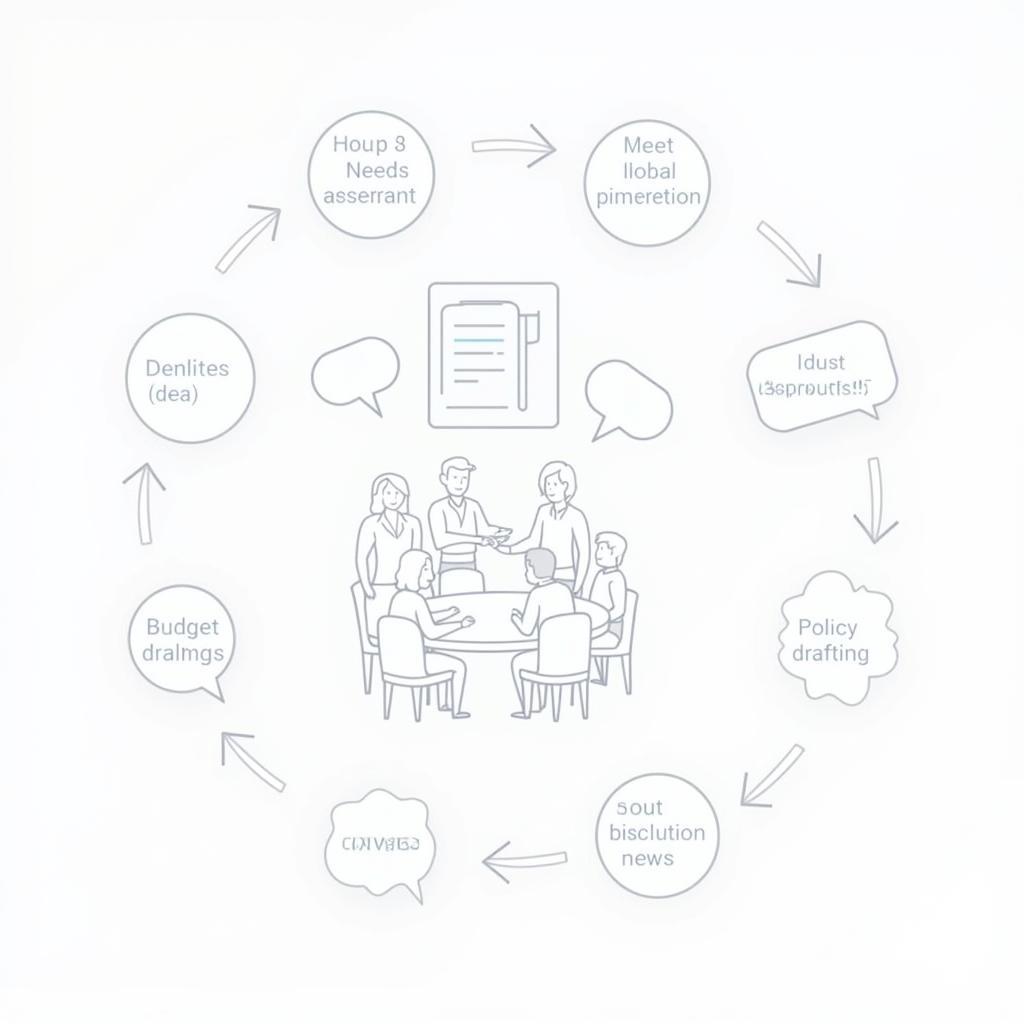 Building an effective benefits program
Conclusion
A benefits program for long-term employees is a strategic investment in a company’s sustainable growth. A well-designed program not only retains talent and enhances productivity but also builds a positive brand image. Building such a program requires a systematic, scientific approach tailored to the company’s specific circumstances. To learn more about other policies, you can refer to Coteccons’ HR policies.
FAQ
- How many years of service are required to be eligible for benefits?
- What are the most common types of benefits?
- How can an effective benefits program be developed?
- Who is responsible for managing the benefits program?
- Is the benefits program adjusted over time?
- Can employees provide feedback on the benefits program?
- Is the New Economic Policy related to the benefits program?
Common Scenarios and Questions
- Employees seeking information about their benefits.
- Companies looking to create new or improve existing benefits programs.
- Employees wanting to suggest changes or additions to the benefits program.
Suggested Further Reading
- How do benefits impact employee performance?
- Comparing benefits programs of companies in the same industry. See also Ethnic Minority Affairs and Policies and Tet Gift Giving Policies for the Poor.









