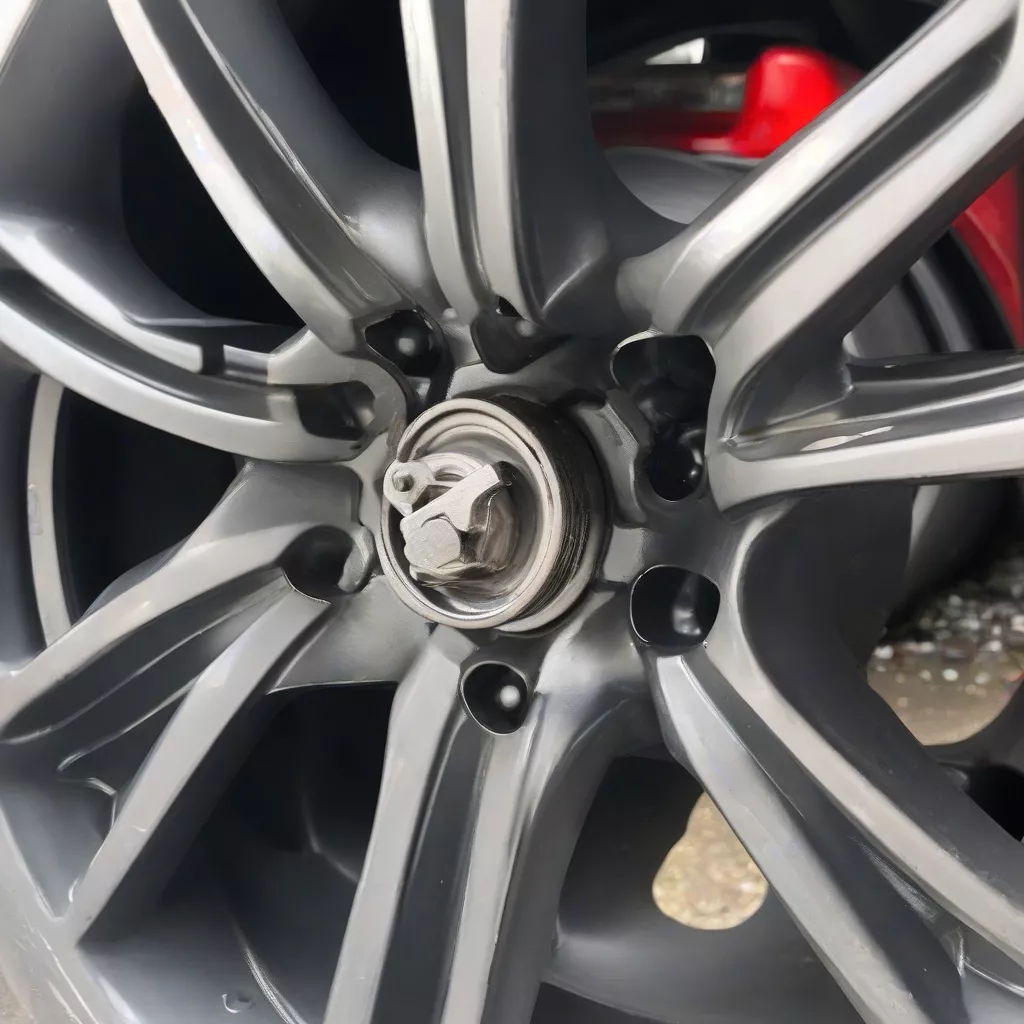
“Driving a truck that feels like riding a horse” likely conjures up images of a bumpy, swaying ride. While many factors can contribute to this, one often overlooked culprit is wheel imbalance. So, how do you fix this? The answer is “wheel balancing weights.” Let’s delve into the details of this “lifesaver” with XETAIHANOI.EDU.VN, your leading source for truck information.
What are Wheel Balancing Weights? And What’s Their Role?
Defining Wheel Balancing Weights
Wheel balancing weights, also known as tire weights, are small lead or zinc weights attached to the wheel rim using adhesive tape or clips. They come in various sizes and weights, depending on the degree of imbalance.
The Importance of Wheel Balancing
Even with modern manufacturing, achieving perfect wheel balance is impossible. Uneven weight distribution on the wheel (tire, rim, valve, etc.) causes vibrations, especially at high speeds. This not only creates discomfort for the driver but also reduces tire lifespan, stresses the suspension system, and compromises safety.
This is where wheel balancing weights come in as an effective solution:
- Eliminate Vibrations: Weights add mass to compensate for deficiencies, distributing weight more evenly across the wheel.
- Extend Tire Life: Balancing ensures even tire wear, preventing premature wear on one side and extending tire lifespan.
- Improve Road Grip: Balanced wheels enhance traction and road grip.
- Increase Fuel Efficiency: Reduced friction and vibration lead to smoother operation, improving fuel economy.
Wheel Balancing Weights
When Do You Need Wheel Balancing?
Recognizing the signs of wheel imbalance is crucial for timely intervention and preventing potential hazards. Here are some indicators that your vehicle needs wheel balancing:
- Steering Wheel Vibration: Especially noticeable at speeds of 40-60 km/h or higher.
- Vehicle Pulling: You have to grip the steering wheel tightly to maintain a straight path, as the vehicle tends to pull to one side.
- Uneven Tire Wear: One side of the tire shows significantly more wear than the other sides.
- Unusual Noise from Wheels: A humming or slight knocking sound emanates from the wheels while driving.
If you notice any of these signs, take your vehicle to a reputable garage for inspection and wheel balancing. In Hanoi, you can consider these locations:
- Thaco Truong Loc Truck Dealership, located at Km 8, Phap Van, Hoang Liet, Hoang Mai, Hanoi.
- Nam Dinh Auto Repair Shop, located at 189 Tay Son, Quang Trung, Dong Da, Hanoi.
- …
Wheel Balancing Weight Price List
Prices for wheel balancing weights vary depending on the type, size, weight, and supplier. Below is a reference price list:
| Weight Type | Weight/Piece | Price/Piece (VNĐ) | Notes |
|---|---|---|---|
| Adhesive Weight | 5g | 1,000 – 2,000 | |
| 10g | 2,000 – 3,000 | ||
| 20g | 3,000 – 5,000 | ||
| Clip-on Weight | 5g | 5,000 – 7,000 | Commonly used for trucks |
| 10g | 7,000 – 10,000 | ||
| 20g | 10,000 – 15,000 |
Note: This price list is for reference only; actual prices may vary.
 Wheel Balancing
Important Considerations for Wheel Balancing
For optimal wheel balancing results, keep the following in mind:
- Choose a Reputable Service Provider: Opt for garages or service centers with modern equipment and experienced technicians.
- Inspect and Replace Tires When Necessary: Balancing won’t be effective if tires are excessively worn or damaged.
- Balance Wheels Regularly: Wheel balancing is recommended every 5,000 – 7,000 km or after installing new tires.
- Check Tire Pressure Regularly: Insufficient tire pressure can cause vibrations similar to wheel imbalance.
Frequently Asked Questions about Wheel Balancing Weights
1. What is the purpose of wheel balancing weights?
Wheel balancing weights help balance the weight of the wheel, eliminating vibrations, extending tire life, improving road grip, and increasing fuel efficiency.
2. How often should I balance my wheels?
Wheel balancing is recommended every 5,000 – 7,000 km or after installing new tires.
3. What are the signs of wheel imbalance?
Steering wheel vibration, vehicle pulling, uneven tire wear, unusual noise from the wheels, etc.
4. Where can I get my wheels balanced reliably in Hanoi?
You can consider places like XETAIHANOI.EDU.VN, Thaco Truong Loc Truck Dealership, Nam Dinh Auto Repair Shop, etc.
Conclusion
Wheel balancing weights, though small, play a vital role in ensuring the safety and smooth operation of your vehicle. We hope this article has provided valuable insights into wheel balancing weights.
Share this article if you find it helpful, and visit XETAIHANOI.EDU.VN for more informative content about trucks!









