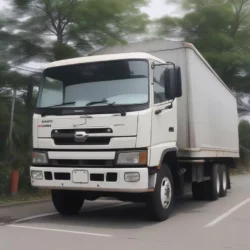
Imagine driving your Dongfeng truck during rush hour on a congested Trường Chinh street when suddenly, your engine stalls. It’s a nightmare scenario! How do you restart your truck safely and quickly? The secret lies in “rev matching”—a seemingly simple yet crucial skill for all drivers, especially professional truckers.
What is Rev Matching?
Rev matching is the technique of coordinating the gas pedal and clutch to temporarily increase engine RPM, making it easier to start the vehicle or navigate challenging terrain. In simpler terms, when you rev match, you’re giving your truck a little extra “oomph” for smoother operation.
Why is Rev Matching Important for Trucks?
Heavy loads put extra strain on a truck’s engine. Rev matching plays a vital role by:
- Facilitating smooth starts: Especially when heavily loaded or in harsh weather conditions like cold temperatures.
- Conquering hills and steep inclines: Rev matching helps maintain momentum, preventing stalling or loss of control.
- Minimizing jerky movements: Ensuring a smoother and more comfortable driving experience.
A large truck climbing a steep hill, carrying a heavy load
Advantages of Rev Matching
Proper rev matching offers several practical benefits:
- Extended engine lifespan: Promotes efficient engine operation, reducing friction and wear.
- Improved fuel economy: Optimized combustion leads to lower fuel consumption.
- Increased clutch longevity: Reduces wear and tear on the clutch caused by stalling or jerky starts.
- Enhanced vehicle performance: Results in a more powerful and stable driving experience.
Disadvantages of Incorrect Rev Matching
However, improper rev matching can have detrimental effects:
- Reduced engine lifespan: Over-revving puts excessive strain on the engine, leading to premature damage.
- Increased fuel consumption: Incorrect technique leads to wasted fuel.
- Safety hazards: Jerky movements and sudden stalls can endanger you and other road users.
Tips for Effective Rev Matching
To effectively rev match, keep the following in mind:
- Practice regularly: Rev matching requires coordinated footwork. Consistent practice is key to mastery.
- Listen to your engine: The engine’s sound will indicate when and how to rev match.
- Avoid overuse: Only rev match when necessary, avoiding unnecessary strain on your vehicle.
A truck driver practicing the skill of rev matching
Frequently Asked Questions About Rev Matching
When Should You Rev Match?
Rev matching is recommended when:
- Starting a heavily loaded truck, particularly in cold weather.
- Experiencing engine strain while climbing hills or steep inclines.
- Navigating congested areas with frequent stops and starts.
What is the Proper Way to Rev Match?
Proper rev matching involves seamlessly coordinating the gas pedal and clutch to achieve a smooth increase in engine speed without jerking or stalling.