The 2017 wage policy has significantly impacted various industries, including the trucking sector. This adjustment directly affects labor costs, influencing transportation prices and the overall business operations of trucking companies.
What is the 2017 Wage Policy?
The 2017 wage policy refers to the adjustment of regional minimum wages, implemented from January 1st, 2017. This change aimed to improve the living standards of workers and stimulate economic growth. However, it also posed challenges for businesses, particularly in the transportation industry, which relies heavily on labor.
Impact of the 2017 Wage Policy on the Trucking Industry
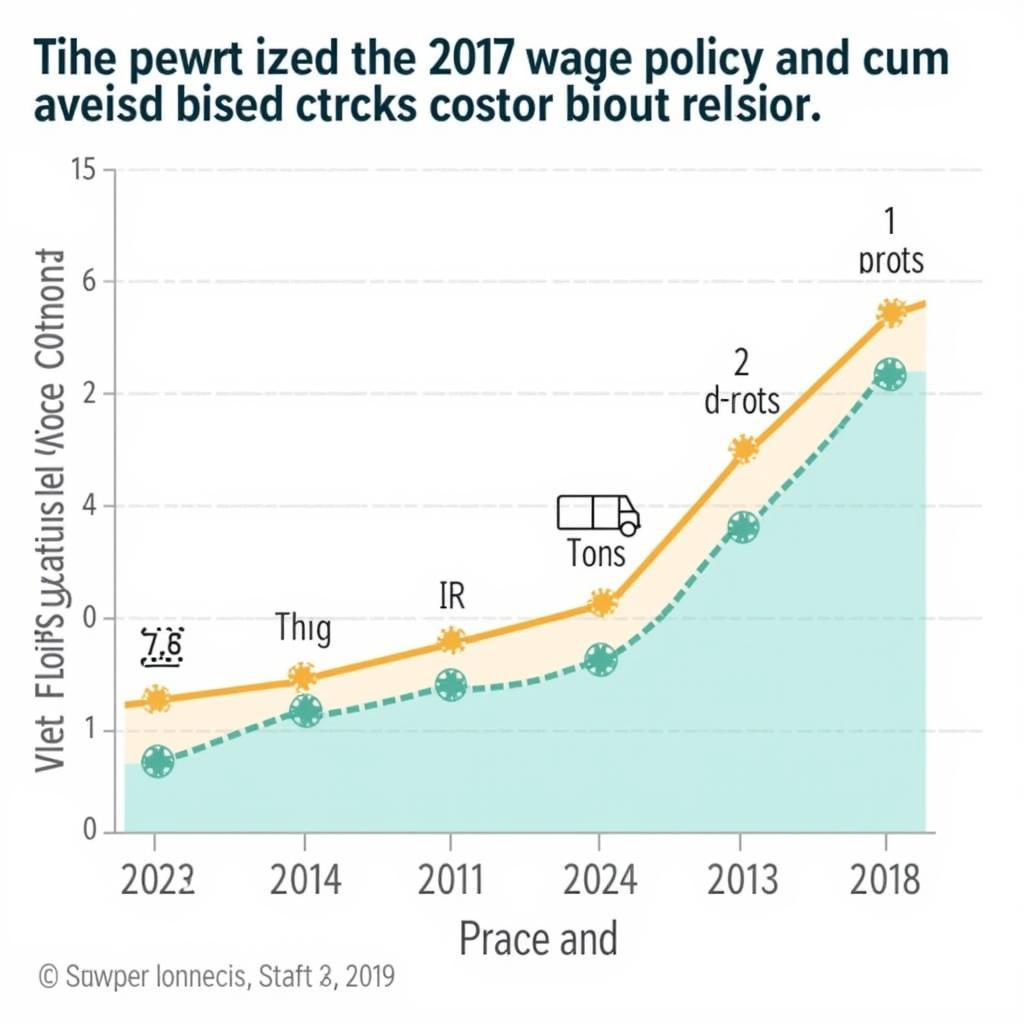
The increase in minimum wage under the 2017 wage policy led to higher labor costs for trucking companies. This affected freight rates, forcing many businesses to adjust prices to offset expenses. For smaller trucking companies, this presented significant difficulties. Moreover, this policy created competitive pressure, requiring companies to improve operational efficiency to maintain profitability.
Effects on Different Truck Types
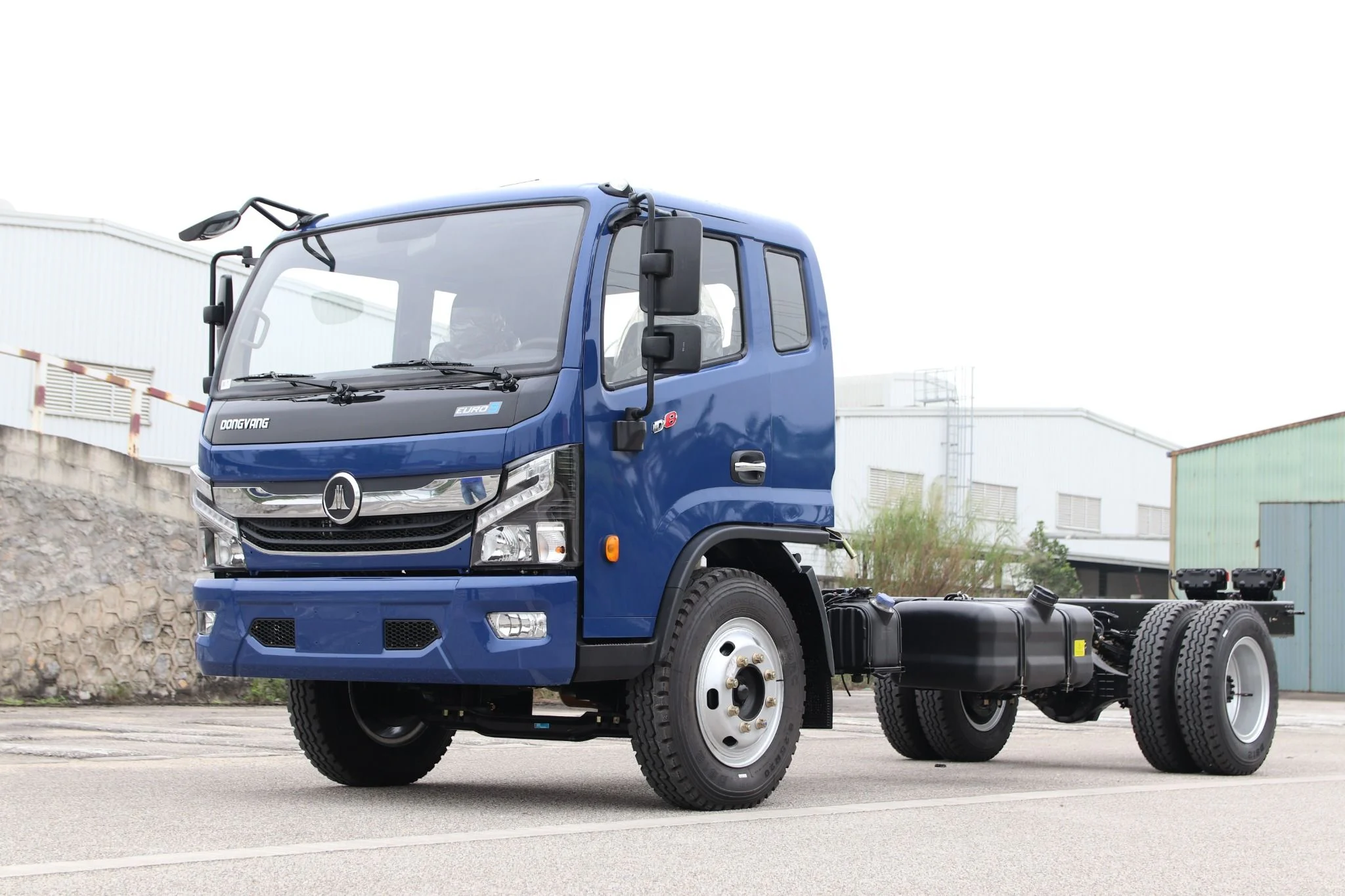
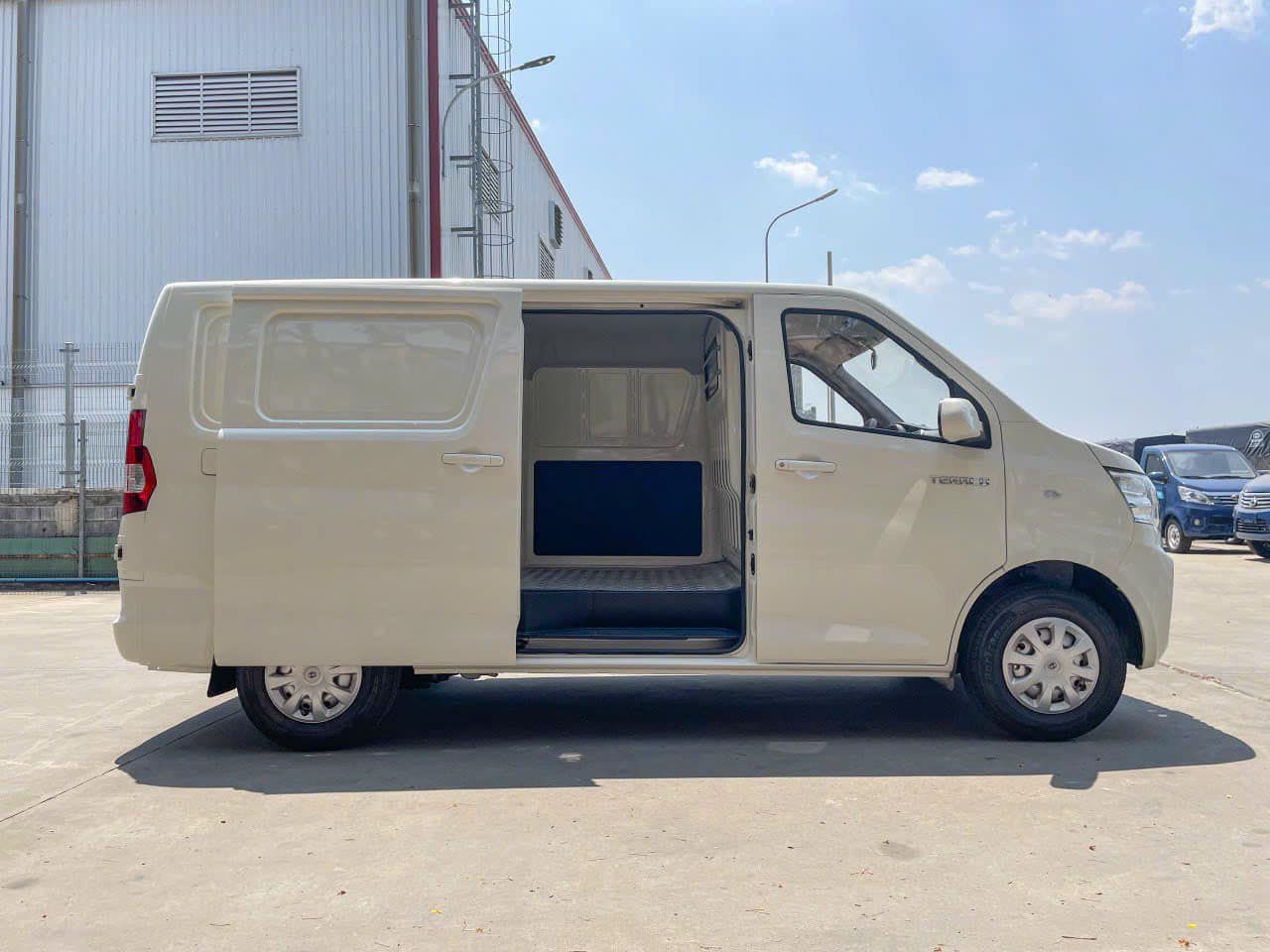
The 2017 wage policy impacted all types of trucks, from box trucks and light trucks to vans, 1-ton, 2-ton, 3.5-ton, and 8-ton trucks. The extent of the impact depended on the company size and type of transportation. For long-haul trucking companies, labor costs represent a significant portion of expenses, making the impact of this policy more pronounced.
Impact of the 2017 wage policy on trucks
Solutions for Trucking Companies
To adapt to the 2017 wage policy, trucking companies needed to find solutions to optimize costs and improve labor productivity. Some potential solutions include investing in technology, efficient fleet management, driver training, relaxing credit policies, and implementing effective commission policies.
The 2017 Wage Policy and Competitiveness
The 2017 wage policy also increased competition within the trucking industry. Companies were forced to innovate and improve service quality to attract customers. The adoption of technology, effective management, and workforce training became crucial factors for competing in the increasingly competitive transportation market.
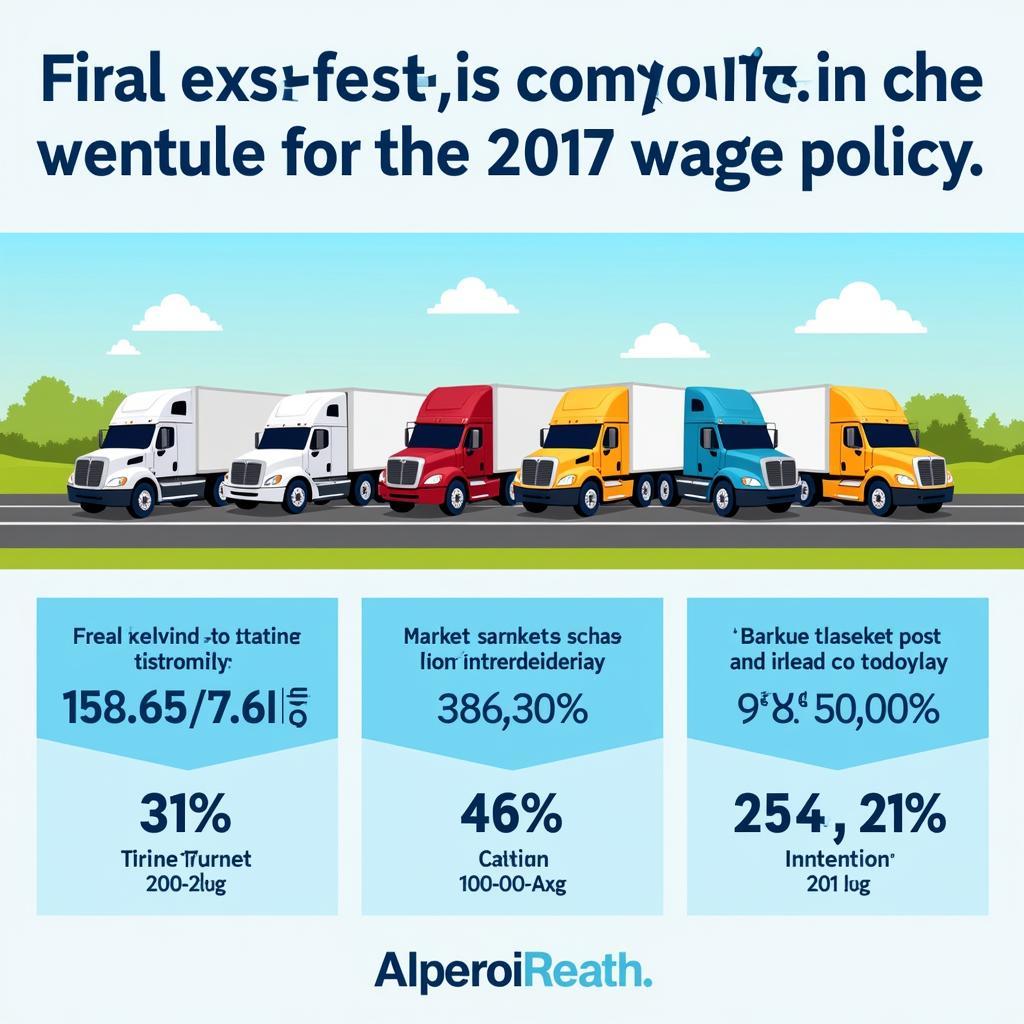 Competition in the trucking industry after the wage policy
How to Optimize Transportation Costs?
Optimizing transportation costs is a critical issue for businesses. Besides managing labor costs, companies need to consider other factors such as choosing the right type of vehicle, optimizing transportation routes, using fuel efficiently, and performing regular vehicle maintenance. Learning more about business financial analysis and extra-budgetary funds can also help with financial management.
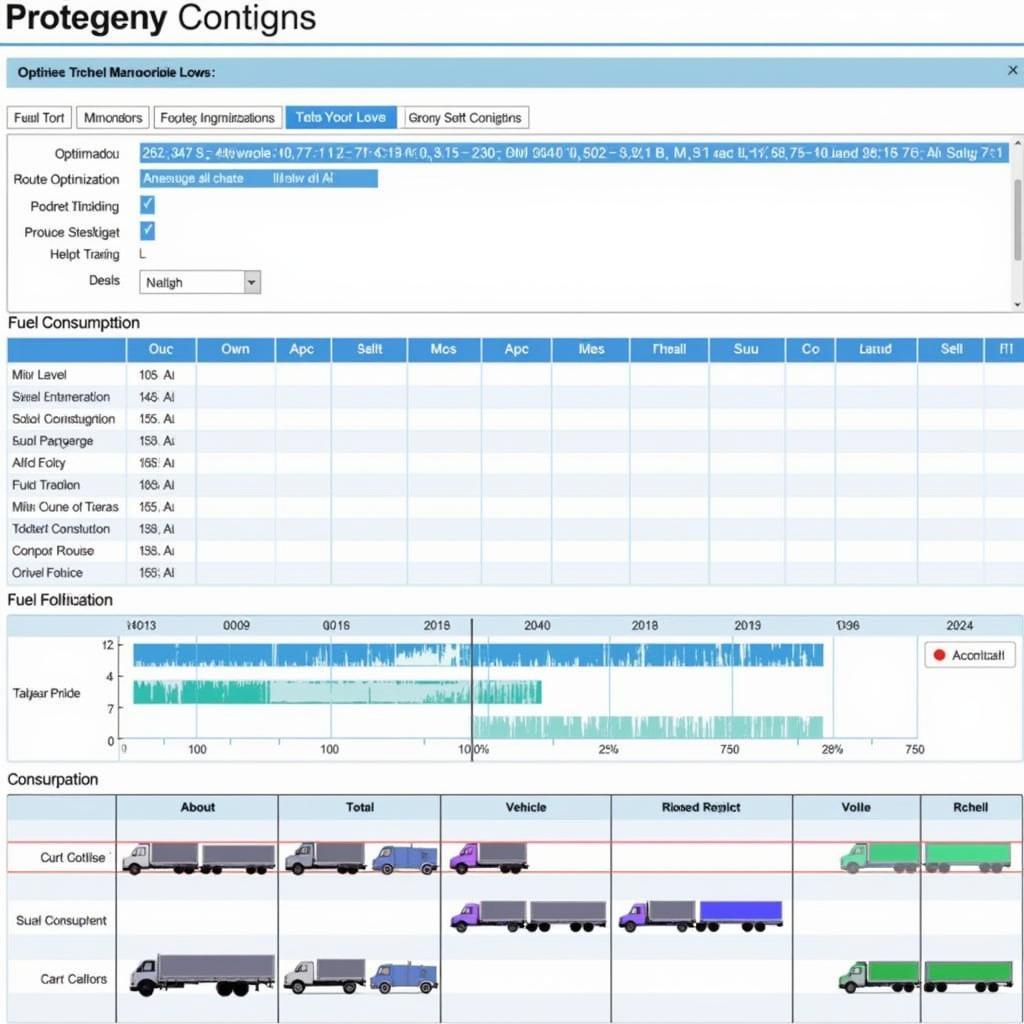 Optimizing transportation costs
Conclusion
The 2017 wage policy created significant changes in the trucking industry. Businesses need to adapt to these changes by optimizing costs, improving productivity and service quality to maintain competitiveness and achieve sustainable development.
When you need assistance, please contact us by phone: 0968239999, Email: [email protected] Or visit us at: TT36 – CN9 Road, Tu Liem Industrial Zone, Phuong Canh Ward, Nam Tu Liem District, Hanoi. We have a 24/7 customer service team.