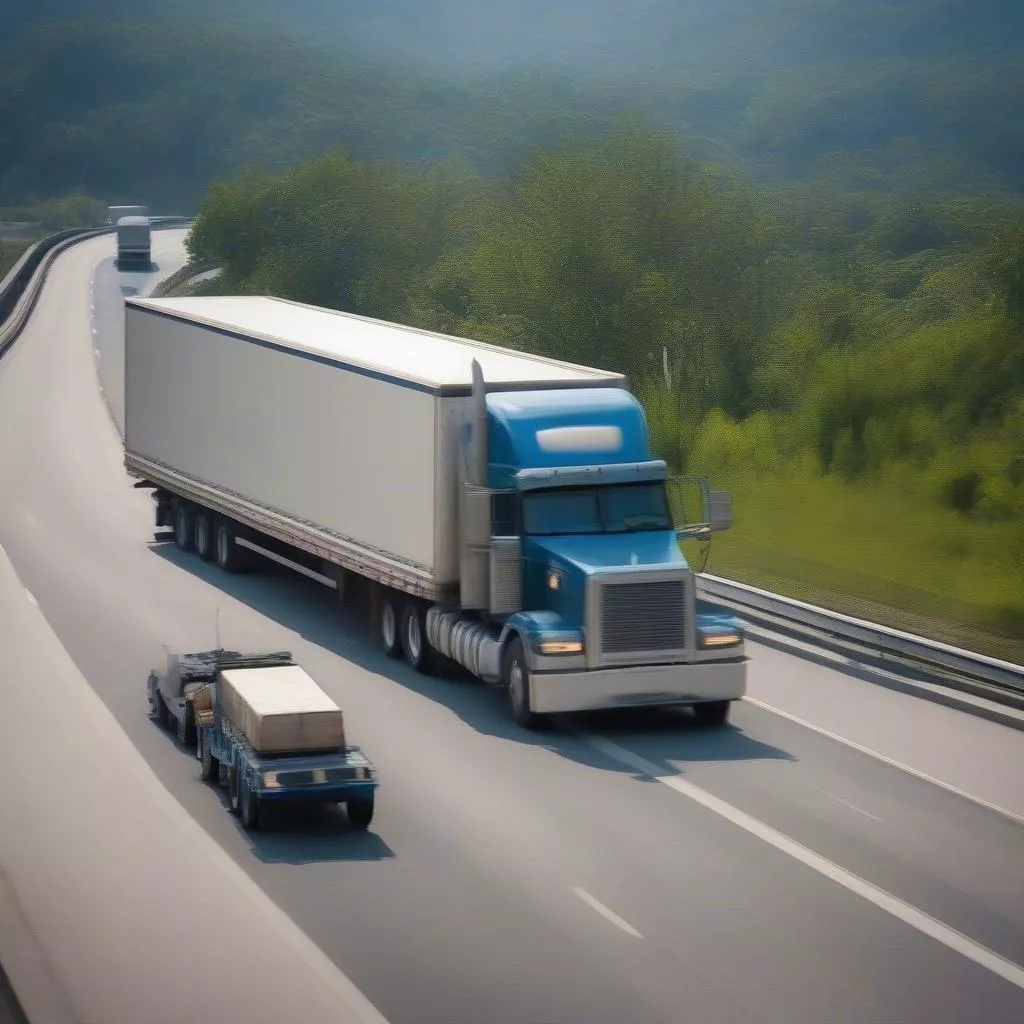
Have you ever wondered, “How can I tell the difference between different types of vehicles?” or “What’s the difference between a truck, a dump truck, and a container truck?” Actually, identifying different types of vehicles isn’t that difficult. We just need to understand the characteristics, uses, and structure of each type to easily distinguish them.
The Importance of Recognizing Different Vehicle Types
In modern life, vehicles are an indispensable means of transportation. Understanding different types of vehicles helps us:
- Choose the right vehicle: Based on our needs, we can choose the appropriate vehicle for maximum efficiency. For example, if you need to transport bulky goods, a truck would be a more suitable choice than a car.
- Communicate effectively: When interacting with drivers, understanding vehicle types helps us exchange information easily and avoid misunderstandings.
- Ensure safety in traffic: Recognizing different vehicles allows us to anticipate driver behavior, enabling timely responses and ensuring personal safety.
Identifying Different Types of Vehicles
1. Passenger Car
- Characteristics: Passenger cars are typically designed to carry passengers, are compact in size, and easily maneuverable in urban areas.
- Uses: Transporting people for personal or family travel needs.
- Structure: Usually have 4 wheels, gasoline or diesel engines, spacious passenger compartments, and limited cargo space.
- Examples: Toyota Vios, Honda Civic, Mazda 3.
2. Truck
- Characteristics: Trucks are typically designed for transporting goods, have large sizes, high load capacity, and a cargo bed.
- Uses: Transporting goods for business, production, and construction needs.
- Structure: Usually have 4 or 6 wheels, diesel engines, and cargo beds designed in various styles to suit different types of goods.
- Examples: Hyundai HD72, Isuzu QKR, Thaco Foton.
3. Dump Truck
- Characteristics: A dump truck is a specialized type of truck with a cargo bed that can be raised and lowered to easily dump materials.
- Uses: Transporting and dumping construction materials, soil, sand, and gravel.
- Structure: Dump truck beds are usually made of steel, have a hydraulic lifting mechanism, and diesel engines.
- Examples: Hyundai Mighty, Thaco Foton, Dongfeng.
4. Container Truck
- Characteristics: A container truck is a specialized truck designed to transport containers.
- Uses: Transporting containerized goods for international trade.
- Structure: Usually have 4 or 6 wheels, diesel engines, a sturdy chassis, and a specialized locking system for securing containers.
- Examples: Scania, Volvo, MAN.
5. Bus
- Characteristics: A bus is a public passenger vehicle with a large size, numerous seats, and is commonly used for passenger transport services.
- Uses: Transporting passengers between cities and provinces, serving public transportation needs.
- Structure: Usually have 4 wheels, diesel engines, air conditioning systems, wide entrances and exits, and multiple seats.
- Examples: Hyundai Universe, Thaco, Samco.
6. Van
- Characteristics: Vans are often designed for transporting goods, are compact in size, and have spacious cargo areas.
- Uses: Transporting small goods, serving business and service needs.
- Structure: Usually have 4 wheels, gasoline or diesel engines, cargo areas designed in various styles, and sliding or hinged doors.
- Examples: Toyota Hiace, Ford Transit, Hyundai Solati.
Frequently Asked Questions About Identifying Vehicle Types
- How can I tell the difference between a truck and a dump truck? A dump truck has a cargo bed that can be raised and lowered to easily dump materials, while a truck typically has a fixed cargo bed.
- How is a container truck different from a regular truck? A container truck is designed to transport containers, has a sturdy chassis, and a specialized locking system for securing containers.
- What’s the difference between a bus and a coach? A bus is typically used for public transportation services, while a coach is often used for tours and group travel.
- Can a van carry heavy loads? Vans can carry goods, but their load capacity is generally lower than that of trucks.
Feng Shui and Vehicles
According to spiritual beliefs, choosing a vehicle can also be based on feng shui principles. Here are some feng shui considerations when buying a car:
- Vehicle color: Choose a color that suits the owner’s destiny and avoid conflicting colors.
- Number of seats: Choose a vehicle with a number of seats that suits your needs and avoid unlucky numbers according to folk beliefs.
- License plate number: Choose a beautiful license plate number that brings good luck and fortune to the owner.
Advice
- Thorough research: Take the time to thoroughly research different types of vehicles before making a purchase decision.
- Consult with experts: Seek advice from vehicle experts for helpful recommendations.
- Choose the right vehicle: Select a vehicle that suits your needs to avoid wasting money.
Contact Us
Need advice on different types of vehicles? Contact us through our website xetaihanoi.edu.vn or hotline 0968 239 999. We are always available to assist you 24/7.
Related Articles:
- Height of a 3.5 Ton Truck
- What is the Purpose of Vehicle Registration?
- Cheap Used 5 Ton Trucks for Sale
- Vung Tau License Plates
- Buying a Used 3.5 Ton Truck
Conclusion
Recognizing different types of vehicles is essential in modern life. We hope this article has provided you with useful information. Continue to follow our website for more informative knowledge about vehicles. Wishing you safe and enjoyable driving!
Cargo truck transporting goods Family car









