“Respect tradition, avoid bad luck” – This old Vietnamese proverb rings true, especially when choosing a vehicle for long journeys. This guide provides comprehensive information about 30-seater buses, offering valuable insights before you make a purchase.
A Detailed Look at 30-Seater Buses
Overview
30-seater buses are a popular choice due to their comfort and versatility. They’re ideal for various purposes, including employee and student transportation, and tourism.
Key Advantages
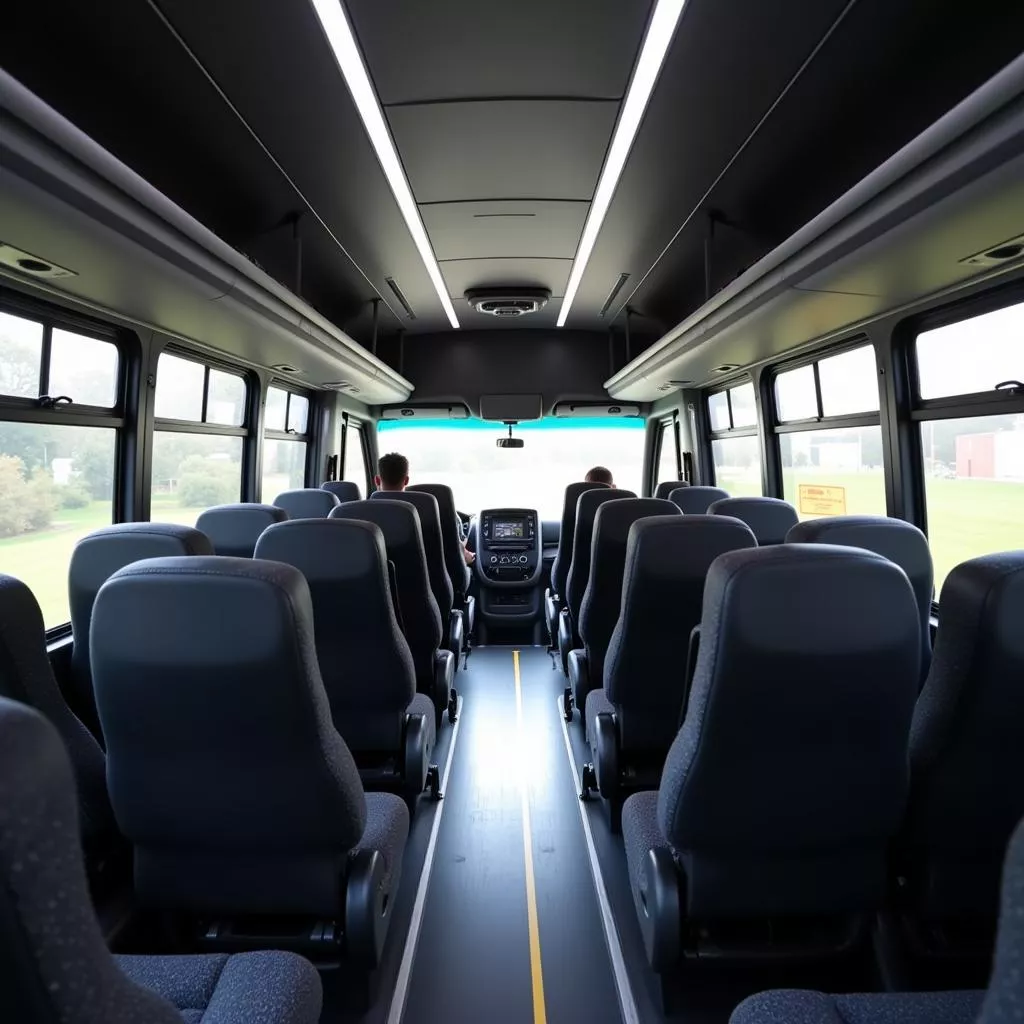
- Spacious Interior: Large capacity and optimized interior design ensure passenger comfort.
- Fuel Efficiency: Many newer models are equipped with modern engines for maximum fuel economy.
- Maneuverability: Moderate size allows for easy navigation in urban areas and on uneven roads.
- Affordable Price: Compared to larger buses, 30-seater options are more budget-friendly, making them accessible to individuals and businesses.
Potential Drawbacks
- Limited Passenger Capacity: Compared to sleeper buses, 30-seater buses have a smaller capacity.
- Fewer Entertainment Amenities: These buses prioritize space and comfort, so entertainment features may be limited compared to luxury coaches.
Modern 30-seater bus with a spacious and comfortable interior.
30-Seater Bus Price List
| Brand | Model | Estimated Price (VNĐ) |
|---|---|---|
| Thaco | Town | Contact Us |
| Hyundai | County | Contact Us |
| Isuzu | Samco | Contact Us |
Note: Prices are for reference only and may vary depending on the time of purchase, dealership, and additional features.
Important Considerations When Choosing a 30-Seater Bus
Positive Considerations
- Choose a Reputable Dealer: Purchase from authorized and reputable dealers like XE TẢI HÀ NỘI at [XE TẢI HÀ NỘI address] for quality assurance and excellent warranty service.
- Thorough Inspection: Before making a decision, test drive the bus and thoroughly inspect its interior, exterior, and functionalities.
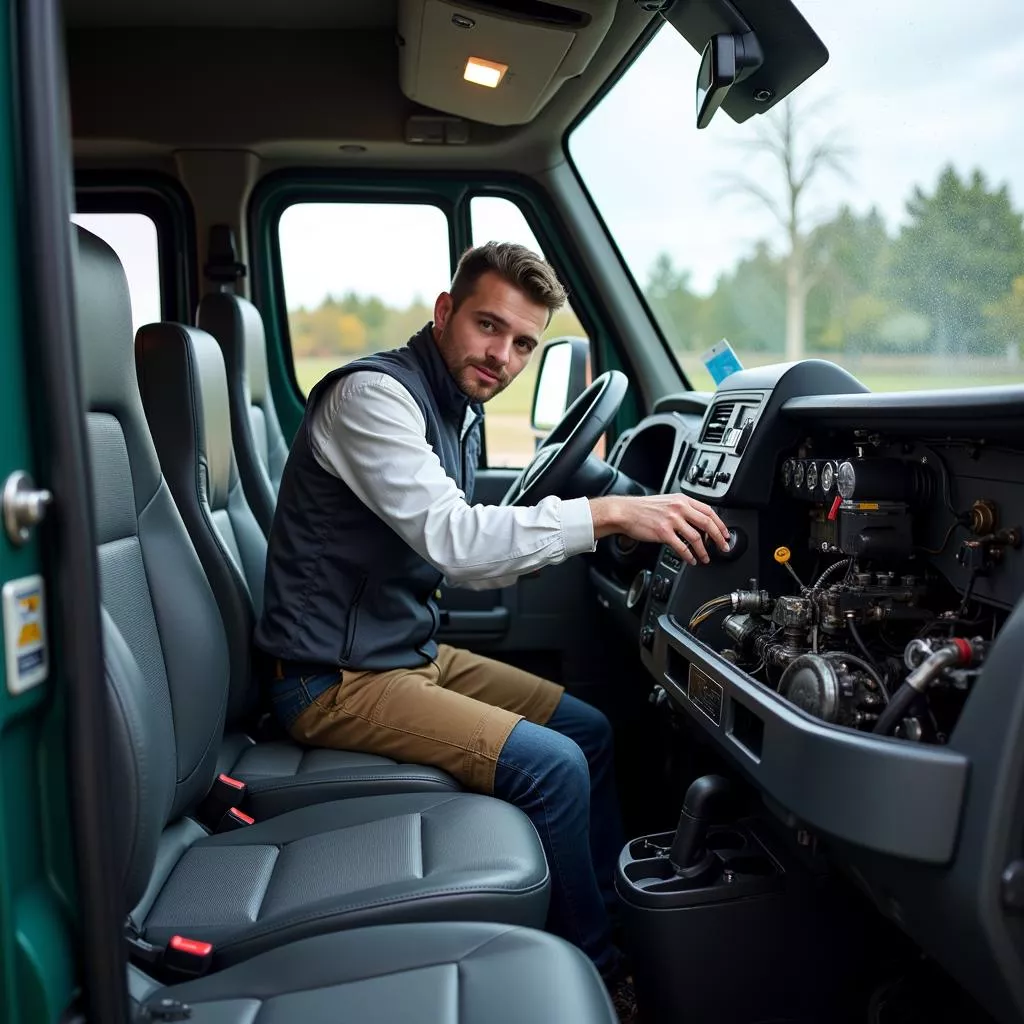 Technician inspecting a 30-seater bus before delivery to the customer.
Negative Considerations
- Avoid Extremely Low Prices: Be wary of suspiciously cheap buses with unknown origins and potentially poor quality.
- Don’t Buy Overly Old Buses: Older buses often require extensive repairs and maintenance, leading to higher costs.