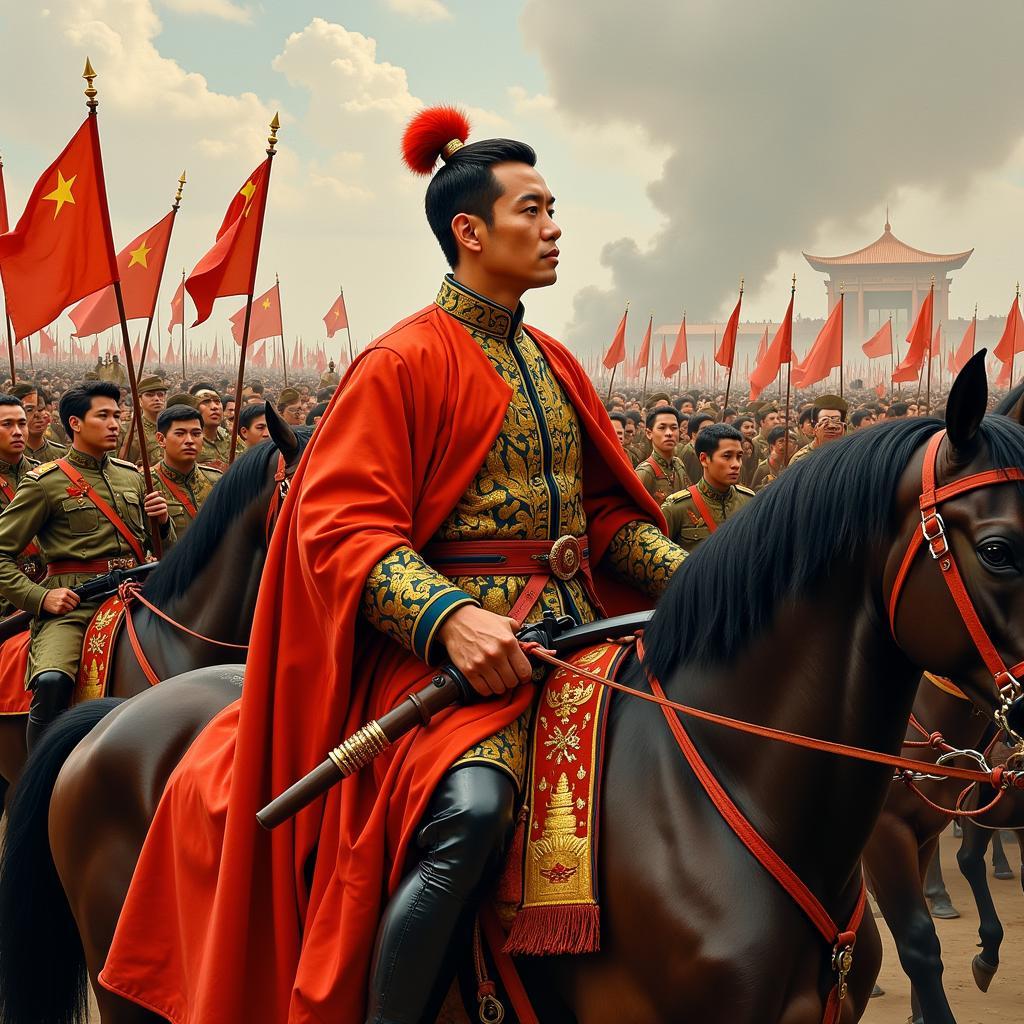
King Quang Trung, one of Vietnam’s most revered monarchs, was not only a brilliant military strategist but also a visionary reformer. His bold policies laid the foundation for national revival after a period of prolonged warfare. These reforms spanned various sectors, from economy and society to culture and education, all aimed at building a strong and prosperous nation.
Economic Recovery Under King Quang Trung’s Reign
Recognizing the importance of a strong economy, King Quang Trung enacted policies to stimulate agricultural production. He ordered land reclamation, established plantations, granted land to farmers, and reduced taxes to incentivize productivity. Furthermore, he prioritized commercial development by opening trade and encouraging both domestic and international commerce.
These measures quickly yielded positive results, facilitating economic recovery and growth. Agricultural output increased, improving the living standards of the people. This economic stability provided a crucial foundation for strengthening national defense and security.
Administrative and Military Reforms of King Quang Trung
Beyond economic reforms, King Quang Trung focused on administrative and military restructuring. He unified the currency, implemented clear and transparent laws, and built a powerful army equipped with modern weaponry. Quang Trung created an efficient administrative system, enabling effective governance and curbing corruption. Similar to the policy of streamlining the state apparatus, Quang Trung’s reforms also aimed at optimizing the government structure.
Administrative and Military Reforms
Culture and Education: Foundations for Sustainable Development
King Quang Trung also prioritized culture and education. He promoted learning, established Chu Nom as the official written language, and commissioned the compilation of textbooks in Vietnamese. These policies not only enhanced literacy but also contributed to the preservation and development of national culture. The adoption of Chu Nom was a significant step, affirming the unique cultural identity of the nation. The history of political philosophy books offers further insights into the political thought of that era.
Frequently Asked Questions about King Quang Trung’s Reforms
1. What was the main goal of King Quang Trung’s reform policies?
The main goal was to restore and develop the country after the war, building a strong and prosperous nation.
2. What policies did King Quang Trung implement in the economic field?
He encouraged agricultural production, land reclamation, establishment of plantations, tax reduction, and opening up trade.
3. What did King Quang Trung do to reform the administration and military?
He unified the currency, enacted laws, built a strong army, and equipped it with modern weapons.
4. What was special about King Quang Trung’s cultural and educational policies?
He promoted learning, made Chu Nom the official written language, and compiled textbooks in Vietnamese.
5. What is the significance of King Quang Trung’s reform policies to Vietnamese history?
They laid the foundation for the country’s revival, building an independent, autonomous, and developing nation.
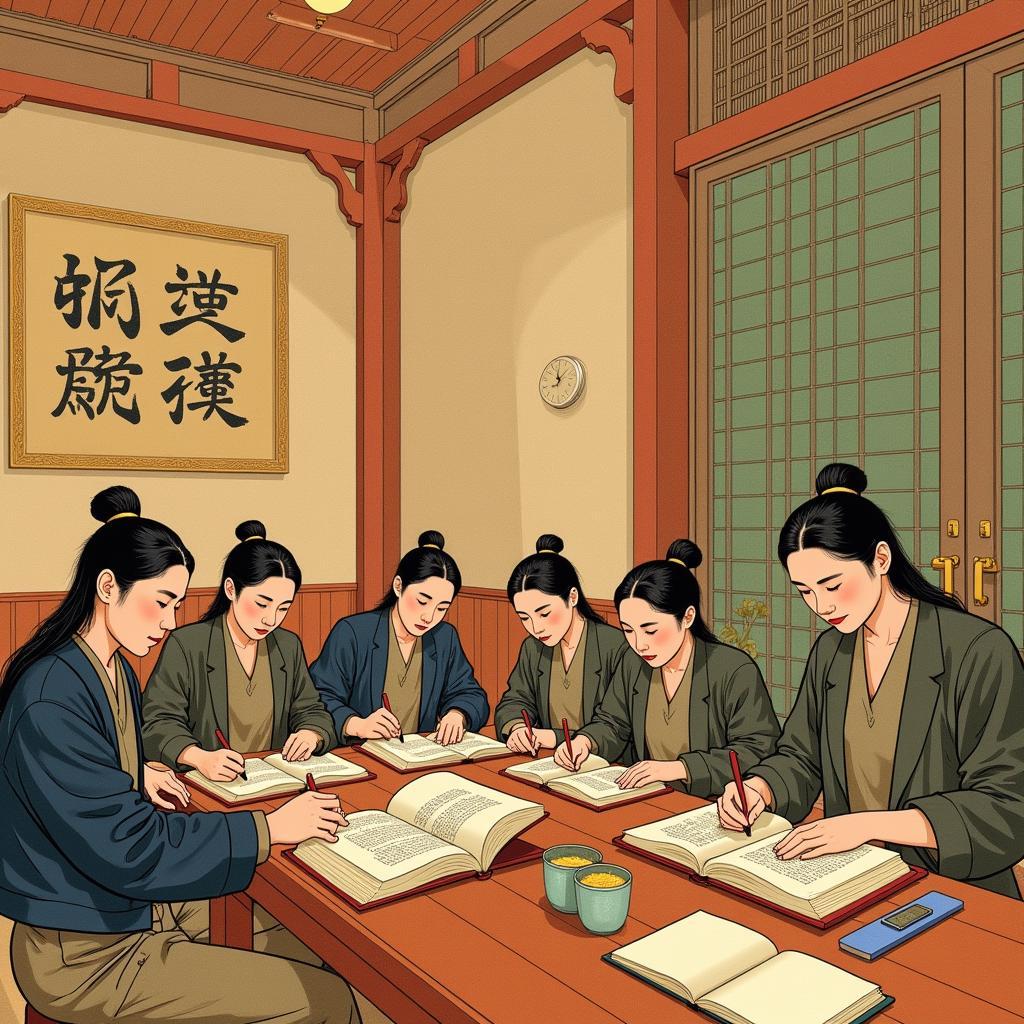 Cultural and Educational Policies
Conclusion
King Quang Trung’s reforms profoundly impacted all aspects of society, laying a solid foundation for the country’s development in subsequent periods. He was not only a brilliant military leader but also a great reformer with a visionary outlook. Agricultural promotion policies in Vietnam have inherited and developed these reformist ideas.
For assistance, please contact us at Phone: 0968239999, Email: [email protected] Or visit us at: No. TT36 – CN9 Road, Tu Liem Industrial Zone, Phuong Canh Ward, Nam Tu Liem District, Hanoi. We have a 24/7 customer service team.