
Uncle Ba, the owner of a construction material shop on Nguyen Trai Street, Hanoi, has been driving his Hyundai H100 truck for years. He’s always been proud of his reliable “companion,” but lately, he’s been concerned about the truck feeling sluggish and struggling when climbing the Nhat Tan Bridge.
One day, he ran into an old friend who works at the Thaco Truong Chinh truck dealership. Uncle Ba finally realized the problem was incorrect tire pressure. His friend advised him to regularly check and inflate his tires, explaining that tire pressure affects not only performance but also safety and tire lifespan.
Uncle Ba’s story highlights the importance of checking truck tire pressure. So, what is tire pressure? How do you know if your truck’s tire pressure is correct? Let’s delve into the details with XE TẢI HÀ NỘI in this article.
What is Truck Tire Pressure?
Tire pressure is the amount of air inside a tire, measured in PSI (Pounds per Square Inch) or Bar. Tire pressure directly affects the contact area between the tire and the road surface, impacting traction, ride comfort, load capacity, and fuel efficiency.
The Importance of Maintaining Correct Truck Tire Pressure
1. Safety First
Proper tire pressure ensures stable handling and better traction, especially when cornering, braking suddenly, or driving on slippery roads. According to Mr. Nguyen Van A, an automotive technical expert at the Central Transportation College III, “Underinflated tires have a three times higher risk of blowing out compared to properly inflated tires.”
2. Fuel Efficiency
Low tire pressure increases the contact area between the tire and the road, creating greater rolling resistance. This forces the engine to work harder to maintain speed. Conversely, high tire pressure reduces the contact area, decreases rolling resistance, and improves fuel economy.
3. Extended Tire Lifespan
Low tire pressure causes tires to wear out faster, especially on the sidewalls. Underinflated tires are also more susceptible to cuts and tears from sharp objects on the road. Maintaining correct tire pressure distributes the load evenly, extending the life of your tires.
Truck Tire Pressure Chart by Model
| Model | Front Tire Pressure (PSI) | Rear Tire Pressure (PSI) |
|---|---|---|
| Hyundai Porter H150 | 50-55 | 55-60 |
| Isuzu QKR | 60-65 | 70-75 |
| Hino XZU | 70-75 | 80-85 |
| Thaco Towner | 45-50 | 50-55 |
| Dongben X30 | 55-60 | 60-65 |
Note: This tire pressure chart is for reference only. Always consult the recommended tire pressure specified by the manufacturer, which can be found on the tire sidewall or in the vehicle owner’s manual.
Checking truck tire pressure
Important Notes When Inflating Truck Tires
- Check and inflate tires when they are cold, preferably in the early morning or after the vehicle has been parked for at least 3 hours.
- Use a reliable tire pressure gauge to ensure accurate readings.
- Do not overinflate or underinflate tires beyond the manufacturer’s recommendations.
- Check and inflate the spare tire as well.
- Regularly inspect tires for cuts, wear, cracks, etc.
Frequently Asked Questions About Truck Tire Pressure
1. How often should I check my truck’s tire pressure?
Check your truck’s tire pressure at least once a month or every 1,000 kilometers driven.
2. What type of air should I use to inflate truck tires?
You can use nitrogen or regular air to inflate truck tires. Nitrogen has the advantage of being less affected by temperature changes, leading to more stable tire pressure, but it is more expensive than regular air.
3. Should I install a tire pressure monitoring system (TPMS) on my truck?
Installing a TPMS allows you to continuously monitor tire pressure and receive alerts if there are any abnormalities, enhancing safety and enabling proactive maintenance.
Buy Quality Trucks – Visit XE TẢI HÀ NỘI
If you are looking to buy new or used trucks, or need advice on truck technical issues, please contact XE TẢI HÀ NỘI.
- Address: No. 1, Nguyen Van Linh Street, Long Bien District, Hanoi.
- Hotline: 0987.654.321
- Website: https://xetaihanoi.edu.vn/
XE TẢI HÀ NỘI – Your Trusted Partner!
Related Products
In addition, XE TẢI HÀ NỘI also offers a wide range of other truck models such as:
- Hyundai Trucks
- Isuzu Trucks
- Hino Trucks
- Thaco Trucks
- Dongben Trucks
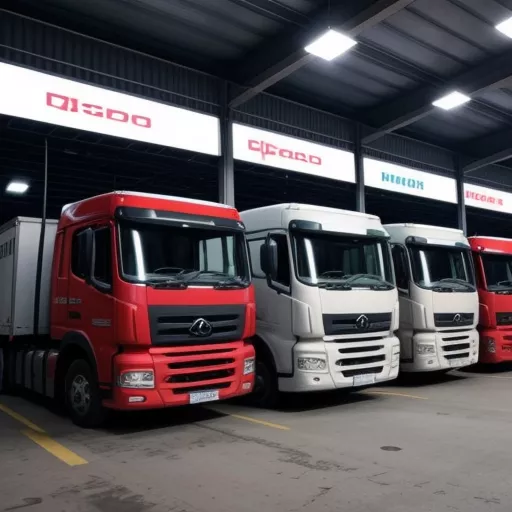 Various truck models in Hanoi
Conclusion
Maintaining correct truck tire pressure is crucial for safety, fuel efficiency, and tire longevity. Be a smart vehicle owner and regularly check and care for your “companion.” Don’t forget to visit XE TẢI HÀ NỘI for more useful information about trucks.









