When discussing trucks, the focus often falls on the engine, payload, or cargo bed, overlooking a silent yet crucial component: the transfer case. This unsung hero acts as a secondary heart, efficiently distributing power from the engine to the wheels. But what exactly is a transfer case? How does it work? Let’s delve into the details with XE TẢI HÀ NỘI.
What is a Transfer Case?
Introduction
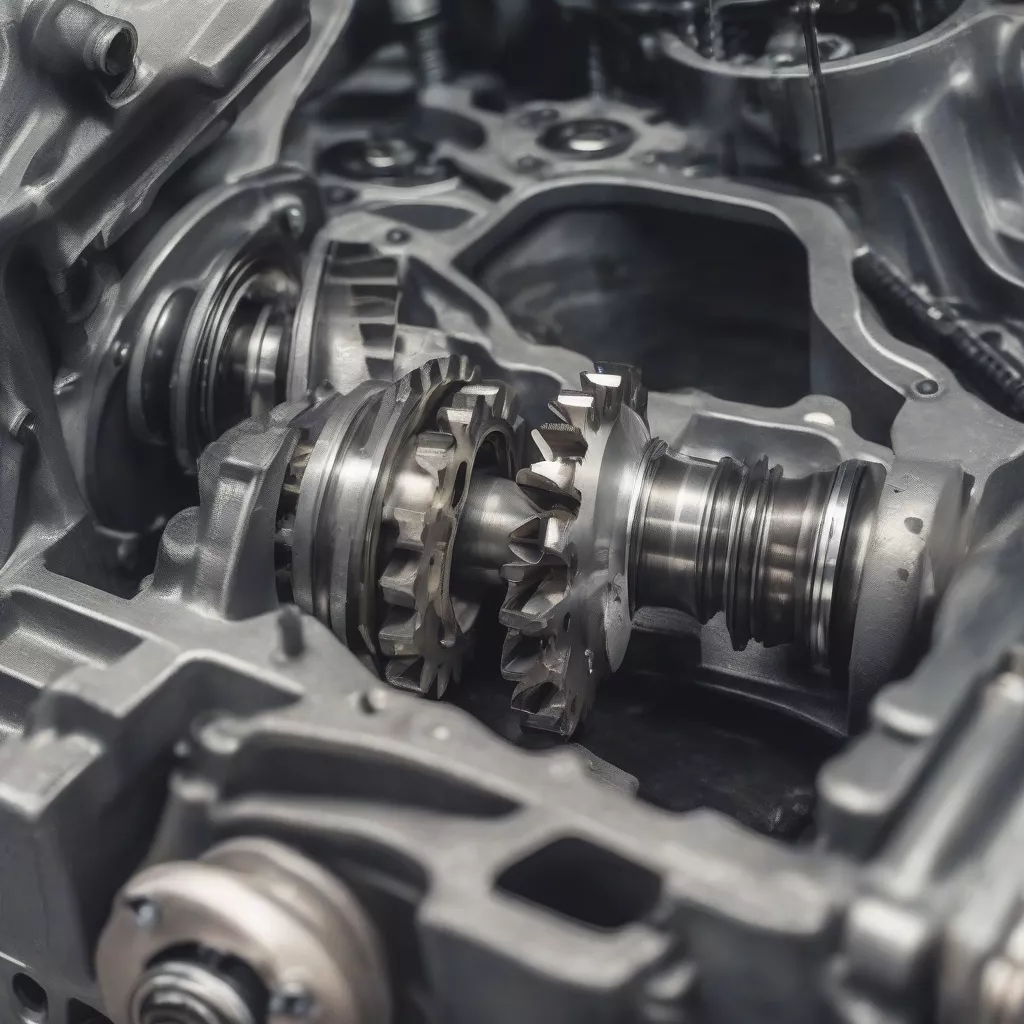
The transfer case is a mechanical component located between the transmission and the axles. Its primary function is to receive torque from the engine and distribute it to the axles (front and rear) in specific ratios. Transfer cases are typically found in four-wheel drive (4WD) and all-wheel drive (AWD) vehicles like trucks, SUVs, and off-road vehicles.
Components
A transfer case generally consists of the following key components:
- Casing: A protective outer shell shielding internal components from external elements.
- Gear System: Includes input, output, and intermediate gears responsible for transmitting and modifying torque ratios.
- Control Mechanism: This may include a shift lever, electronic controls, or both, allowing the driver to select different driving modes (2H, 4H, 4L).
- Gear Oil: Lubricates, cools, and extends the lifespan of internal components.
Operating Principle
The operating principle of a transfer case is relatively straightforward. When the engine runs, torque is transmitted from the transmission to the transfer case. Based on the selected driving mode, the transfer case distributes torque to the front, rear, or both axles in varying proportions.
For example:
- 2H (2WD) Mode: Torque is directed solely to the rear axle.
- 4H (4WD High) Mode: Torque is distributed evenly to both front and rear axles.
- 4L (4WD Low) Mode: Torque is distributed to both axles with a lower gear ratio, providing increased torque for challenging terrain.
Advantages
- Enhanced Traction: Transfer cases improve vehicle stability on slippery or uneven surfaces.
- Improved Off-Road Capability: The 4L mode delivers high torque, enabling vehicles to conquer challenging terrains like mud, steep inclines, and rocky paths.
- Versatile Driving Experience: Drivers can select the appropriate driving mode to suit various conditions, from smooth paved roads to rugged off-road trails.
Disadvantages
- Fuel Consumption: Vehicles equipped with transfer cases generally consume more fuel compared to vehicles with a single driven axle.
- Maintenance Costs: Transfer cases are complex mechanisms requiring regular maintenance and potentially costly repairs compared to standard transmissions.
Transfer Case Price Table
| Vehicle Type | Manufacturer | Price (VNĐ) |
|---|---|---|
| Pickup Trucks | Toyota, Ford, Mitsubishi | From 50,000,000 |
| SUVs | Honda CR-V, Mazda CX-5, Hyundai Tucson | From 60,000,000 |
| Off-Road Vehicles | Jeep Wrangler, Land Rover Defender | From 100,000,000 |
Note: Prices are for reference only and may vary depending on the vehicle model, year, and manufacturer.
Important Considerations for Transfer Case Usage
- Regular Fluid Checks: Ensure the transfer case fluid is always at the correct level and clean.
- Avoid Shifting at High Speeds: Do not change driving modes while traveling at high speeds.
- Seek Professional Assistance: In case of any transfer case issues, consult a reputable mechanic for inspection and repair.
Frequently Asked Questions about Transfer Cases
Does a transfer case require regular maintenance?
Yes, regular maintenance is recommended according to the manufacturer’s guidelines. This typically includes fluid changes, inspection for wear and tear, and leak checks.
When should 4L mode be used?
4L mode should only be used when navigating challenging off-road terrains like mud, steep inclines, or rough rocky roads.
Is my vehicle equipped with a transfer case?
Refer to your vehicle’s owner’s manual or contact your dealership for confirmation.
Transfer Case Diagram
Choosing the Right Transfer Case
Consider these factors when selecting a transfer case:
- Driving Needs: What type of terrain do you frequently encounter? What kind of vehicle do you drive?
- Expert Advice: Consult experienced individuals or professional technicians for recommendations.
- Reputable Suppliers: Purchase transfer cases from trusted suppliers to ensure product quality and reliable after-sales service.
XE TẢI HÀ NỘI – Your Trusted Truck Provider in Hanoi
Looking for a reliable source for quality trucks in Hanoi? Look no further than XE TẢI HÀ NỘI. We are a leading distributor of trucks and specialized vehicles from renowned global brands. With our professional and dedicated team, we are committed to providing customers with top-quality products, exceptional service, and competitive prices.
XE TẢI HÀ NỘI
- Address: [Showroom Address in Hanoi], [District], Hanoi
- Hotline: [Phone Number]
- Website: https://xetaihanoi.edu.vn/
Related Products
In addition to transfer cases, XE TẢI HÀ NỘI offers a wide range of products and services, including:
- Veam 9-Ton Trucks: https://xetaihanoi.edu.vn/xe-tai-veam-9t/
- Isuzu NPR85KE4 4-Ton Enclosed Trucks: https://xetaihanoi.edu.vn/xe-tai-isuzu-npr85ke4-4-tan-thung-kin/
- Suzuki Vehicles: https://xetaihanoi.edu.vn/xe-suzuki/
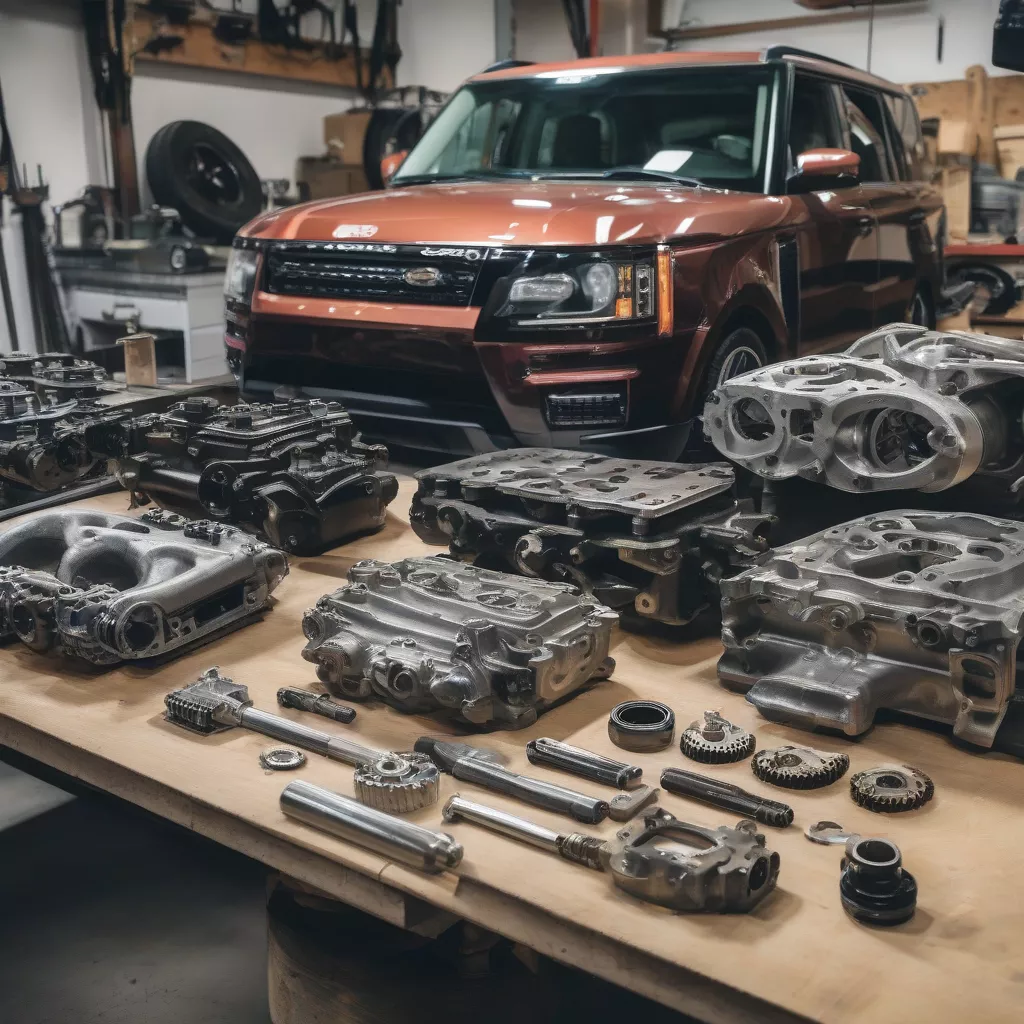 Different Types of Transfer Cases
Conclusion
The transfer case is a vital component that distributes power from the engine to the wheels, enabling vehicles to perform powerfully and efficiently across diverse terrains. We hope this article has provided valuable insights into the transfer case. If you have any further questions, please leave a comment below or contact XE TẢI HÀ NỘI directly for detailed consultation.