Vietnam’s fundamental economic policies play a crucial role in shaping and developing the nation’s economy. They impact all aspects of socio-economic life, from production and distribution to consumption, affecting both businesses and individuals. Understanding these policies not only enables businesses to operate effectively but also helps citizens seize opportunities and adapt to market changes.
Fiscal Policy and Its Significance
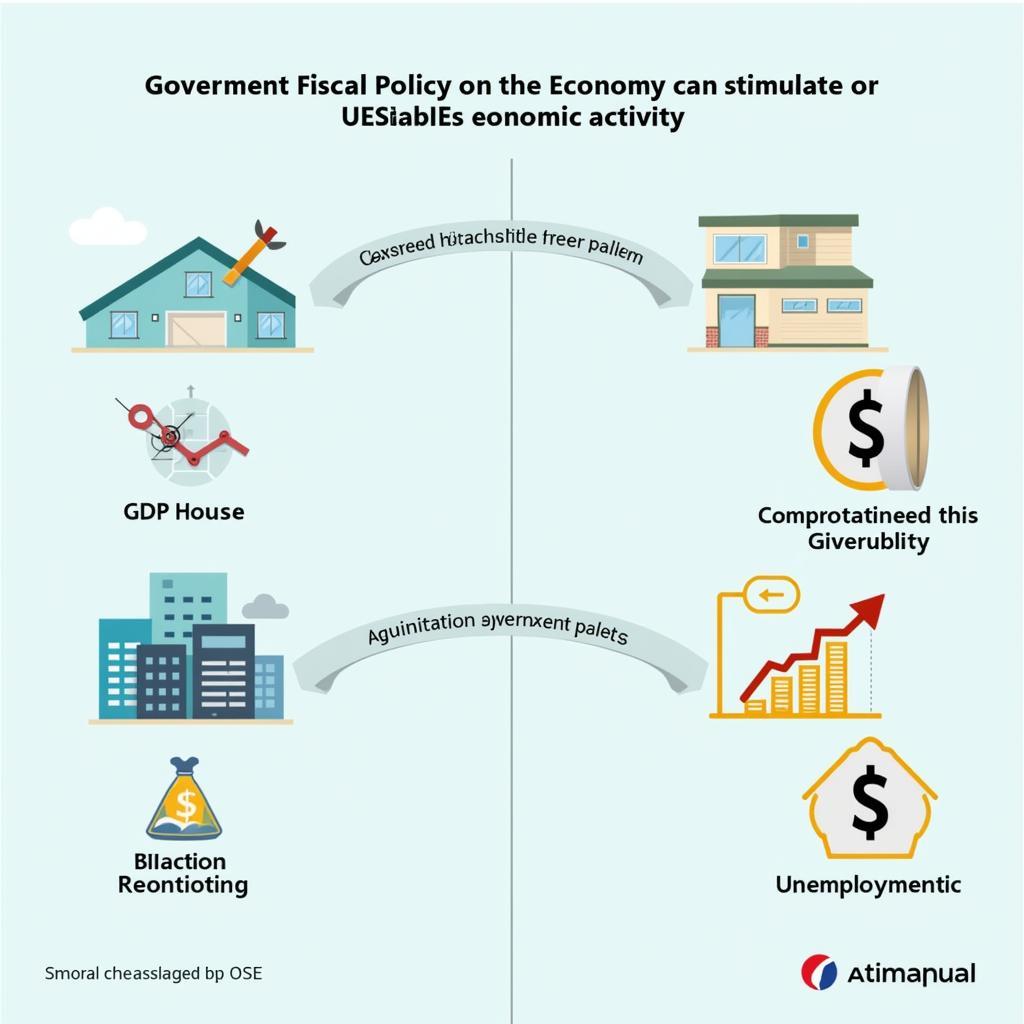
Fiscal policy is a vital tool used by the government to regulate the economy. It encompasses decisions regarding taxation, government spending, and public debt management. This policy influences aggregate demand, inflation, employment, and economic growth. For instance, tax reductions can stimulate investment and consumption, while increased public spending on infrastructure can generate jobs and promote growth.
Impact of Fiscal Policy
A prime example is the government’s support for businesses during challenging economic periods. By reducing taxes and fees, the government helps businesses alleviate financial burdens, maintain operations, and safeguard jobs. This policy also contributes to macroeconomic stability and facilitates rapid recovery.
Monetary Policy and Economic Stability
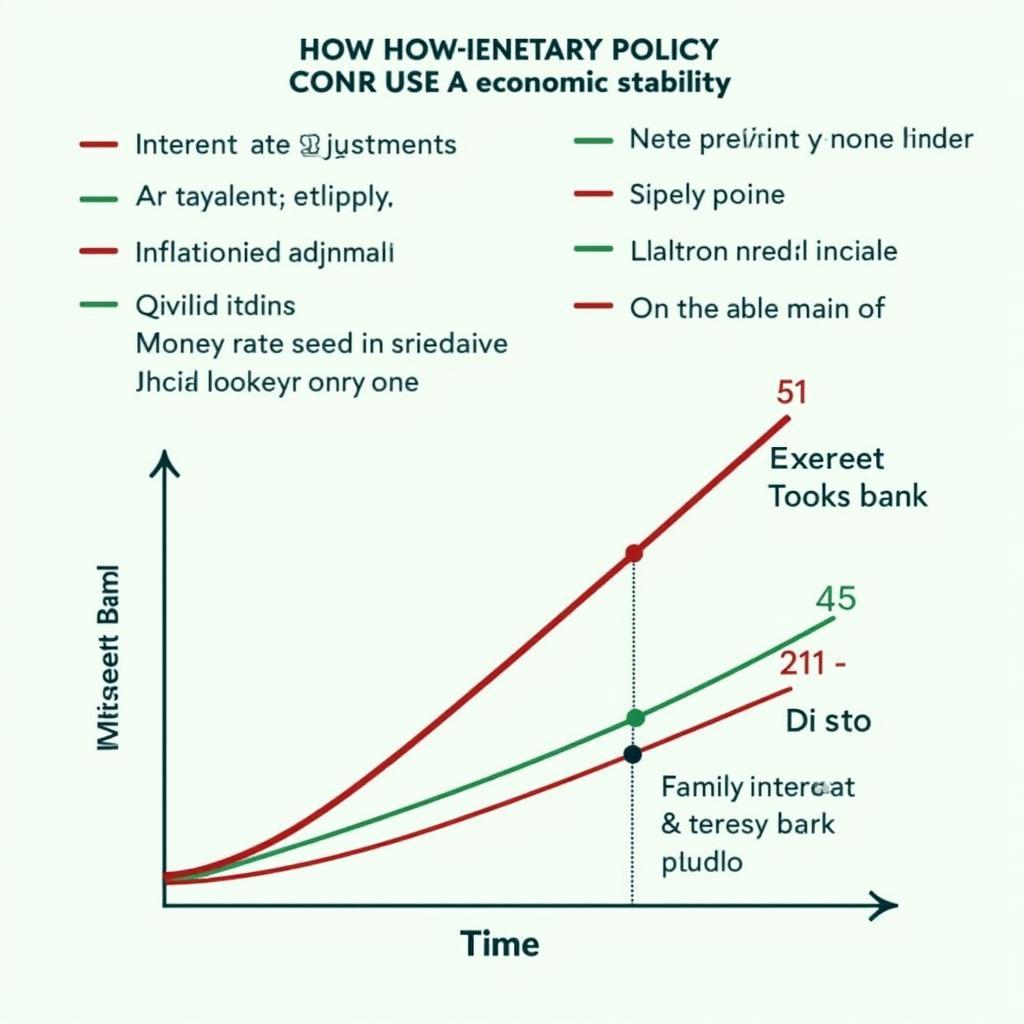
Monetary policy, managed by the central bank, focuses on controlling money supply, interest rates, and exchange rates. The primary objective of this policy is to maintain price stability, support sustainable economic growth, and ensure the efficient operation of the financial system. Adjusting interest rates can impact investment, consumption, and inflation.
 Economic Stability through Monetary Policy
Controlling inflation is a top priority of monetary policy. By adjusting interest rates and money supply, the central bank can curb inflation, protect the currency’s value, and maintain economic stability. The rice price floor policy exemplifies how the government intervenes in the market to stabilize prices and protect farmers’ interests.
Other Policies Supporting Economic Development
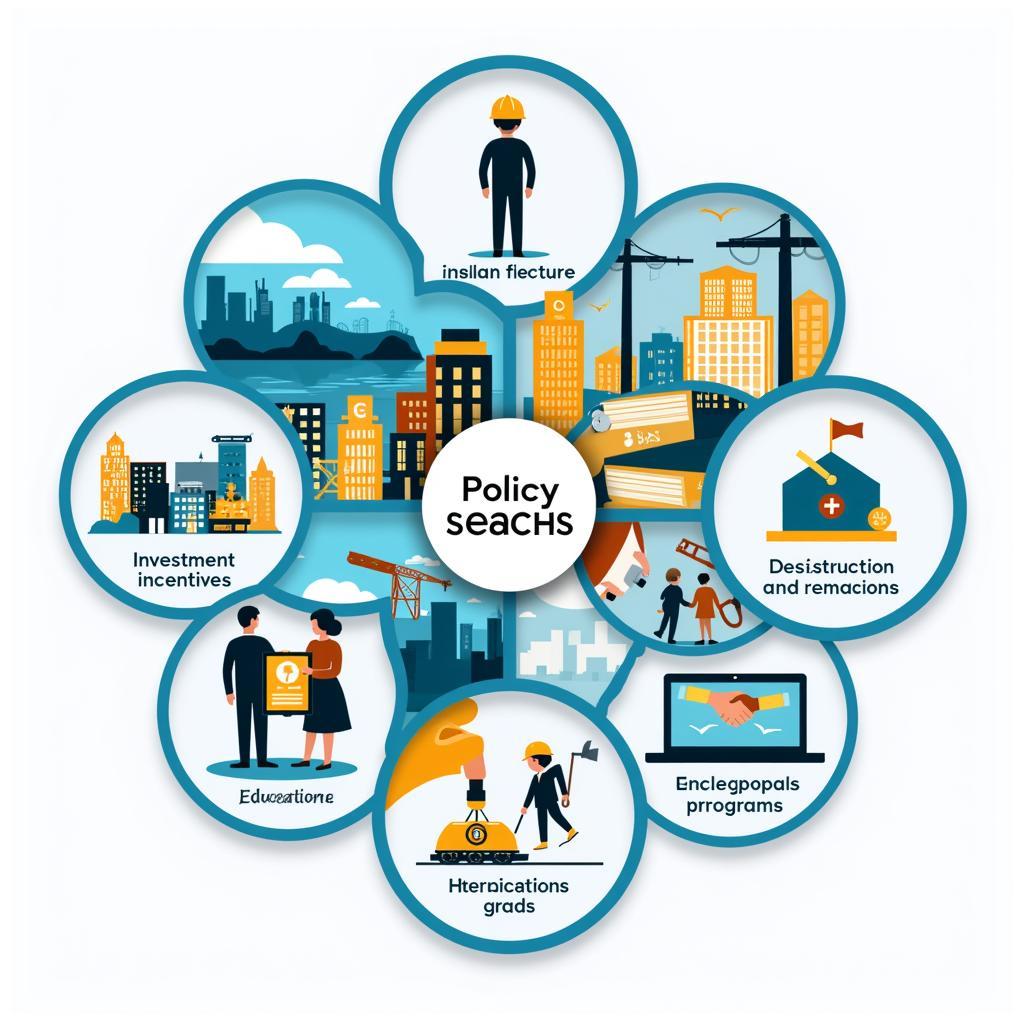
Besides fiscal and monetary policies, the government implements various other policies to support economic development, including trade, investment, industrial, and social policies. These policies aim to create a favorable business environment, attract investment, develop infrastructure, enhance human resources, and protect the environment. Government healthcare policies fall under social policies, ensuring social security and improving the quality of life for citizens.
For example, policies encouraging investment in key industries can facilitate economic restructuring towards modernization and enhance national competitiveness. Economic policies focused on nighttime activities represent a novel approach to harnessing potential and driving economic growth.
 Policies Supporting Economic Development
Conclusion
Vietnam’s fundamental economic policies are essential tools for guiding and developing the national economy. Understanding and effectively utilizing these policies is crucial for achieving sustainable economic growth and improving the quality of life for all citizens.
FAQ
- What is fiscal policy?
- What is monetary policy?
- What is the role of the central bank in managing monetary policy?
- What other policies support economic development?
- How can businesses effectively leverage government economic policies?
- How do economic policies impact people’s lives?
- What are the current trends in economic policy?
For assistance, please contact us at Phone: 0968239999, Email: [email protected] or visit us at: TT36 – CN9 Road, Tu Liem Industrial Zone, Phuong Canh Ward, Nam Tu Liem District, Hanoi. We have a 24/7 customer service team.