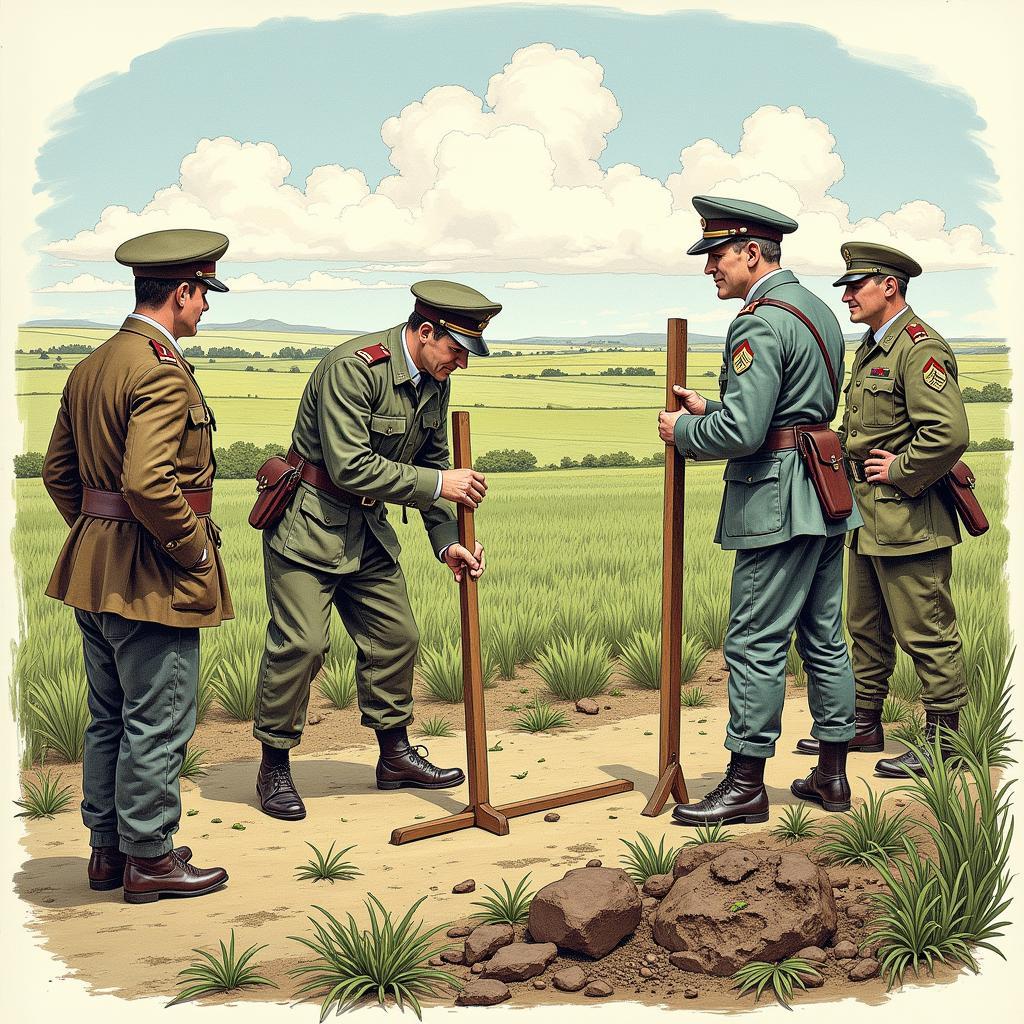
The equal-field system was a land distribution method employed historically to provide land to soldiers and farmers during both war and peacetime. This article delves into this crucial policy, exploring its origins, objectives, implementation, and societal impact.
The Equal-Field System: Origins and Objectives
The equal-field system, practiced across various nations throughout history, primarily aimed to ensure food security for the military and maintain social stability. Essentially, this policy allowed soldiers to cultivate land during peacetime, retaining a portion or all of the harvest. In times of war, they would serve as soldiers. This system alleviated the financial burden on the state while fostering a strong military spirit. It was also implemented to distribute land to farmers, stabilizing agricultural production and mitigating social unrest. You can learn more about other policies by researching the Casio piano warranty policy.
Land distribution under the equal-field system
The Equal-Field System: Implementation
The implementation of the equal-field system varied greatly depending on the specific country and historical period. Common models included distributing public land to soldiers and farmers; reclaiming abandoned or landlord-owned land for redistribution; or allowing soldiers to cultivate new land. Land ownership rights also differed, ranging from permanent ownership to conditional ownership or temporary usage rights. This policy often came with stipulations regarding military service, taxation, and labor obligations.
The Equal-Field System: Societal Impact
The equal-field system had a profound impact on society, both positive and negative. On the positive side, it contributed to economic stability, strengthened military power, and encouraged agricultural production. However, it could also lead to unequal land distribution, corruption, and social conflict. Effective implementation required strict and fair management by the state. Learn about other social support policies by reviewing Decree 27 on social assistance policies.
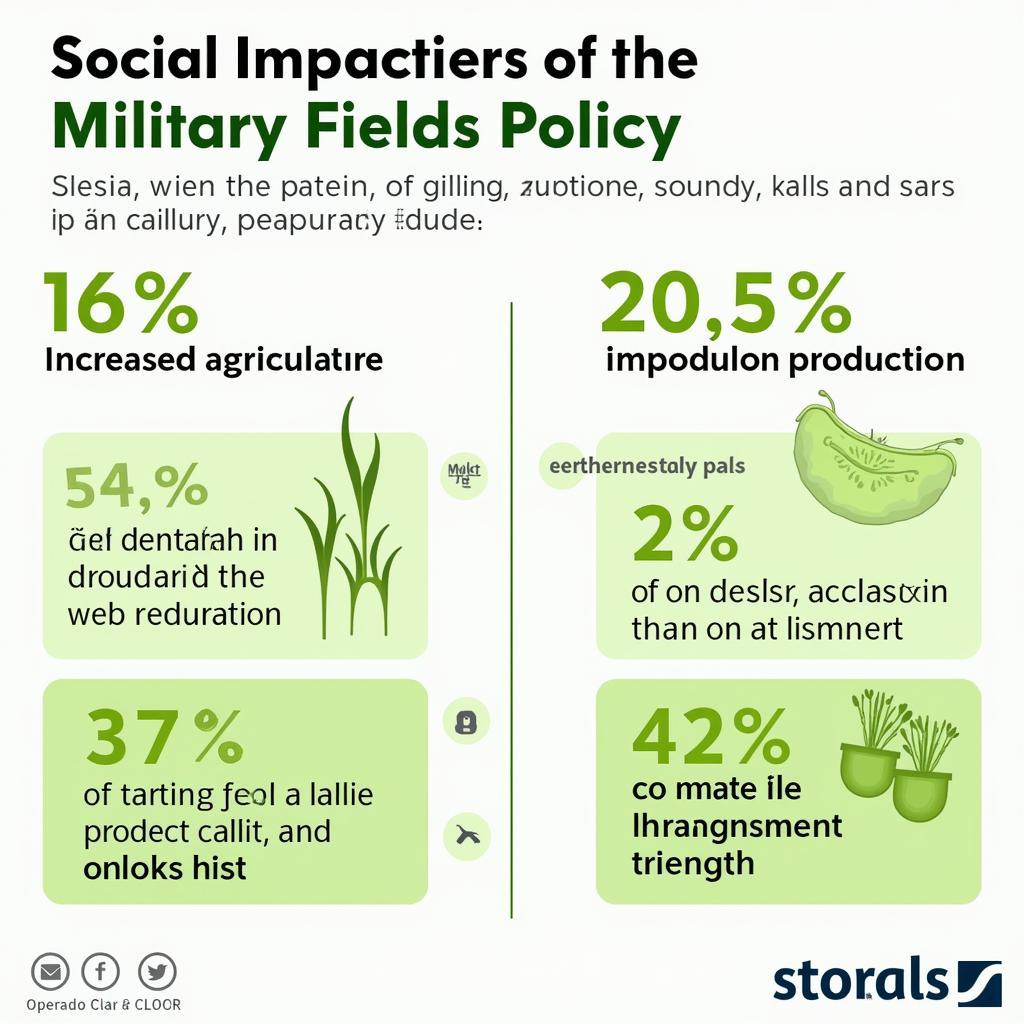 Impact of the equal-field system on society
The Equal-Field System in Vietnam
The equal-field system was implemented in Vietnam throughout various historical periods, from feudal times to the modern era. Each period had unique characteristics reflecting the contemporary political, economic, and social context. Studying the equal-field system in Vietnam provides valuable insights into the country’s historical development. Explore the Da Nang talent attraction policy to understand the diversity of national policies.
The Equal-Field System: Lessons Learned
Studying the historical implementation of the equal-field system offers valuable lessons for modern land management and agricultural development. Fair, transparent, and efficient land distribution is crucial for ensuring social stability and sustainable economic growth. Refer to Juno’s warranty policy for more information on product warranty policies.
Conclusion
The equal-field system served as a vital tool for land management and agricultural development. Understanding this policy provides deeper insights into history and offers valuable lessons for the present.
FAQ
- What is the equal-field system? The equal-field system is the government’s distribution of land to soldiers and farmers.
- What was the purpose of the equal-field system? The purpose was to ensure food security, maintain social stability, and strengthen military power.
- How did the equal-field system work? Implementation varied greatly depending on the specific country and historical period.
- What was the impact of the equal-field system on society? There were both positive and negative impacts, affecting the economy, society, and military.
- What lessons can be learned from the equal-field system? Land distribution should be fair, transparent, and efficient.
- Is the equal-field system still used today? In certain forms, this policy is still applied in some countries.
- Where can I learn more about the equal-field system? You can find information online, in libraries, or in historical documents.
Common Questions and Scenarios
Frequently asked questions about the equal-field system often revolve around land ownership rights, associated military obligations, and land division methods. People are also interested in the policy’s impact on people’s lives and socio-economic development.
Further Reading and Related Articles
You can learn more about Vietnam’s policy on Google Play.









