Population policies are a complex and multifaceted topic, impacting various sectors, including the trucking industry. This article will analyze the effects of population policies on trucking, particularly in the truck market.
Impact of population policies on the trucking industry
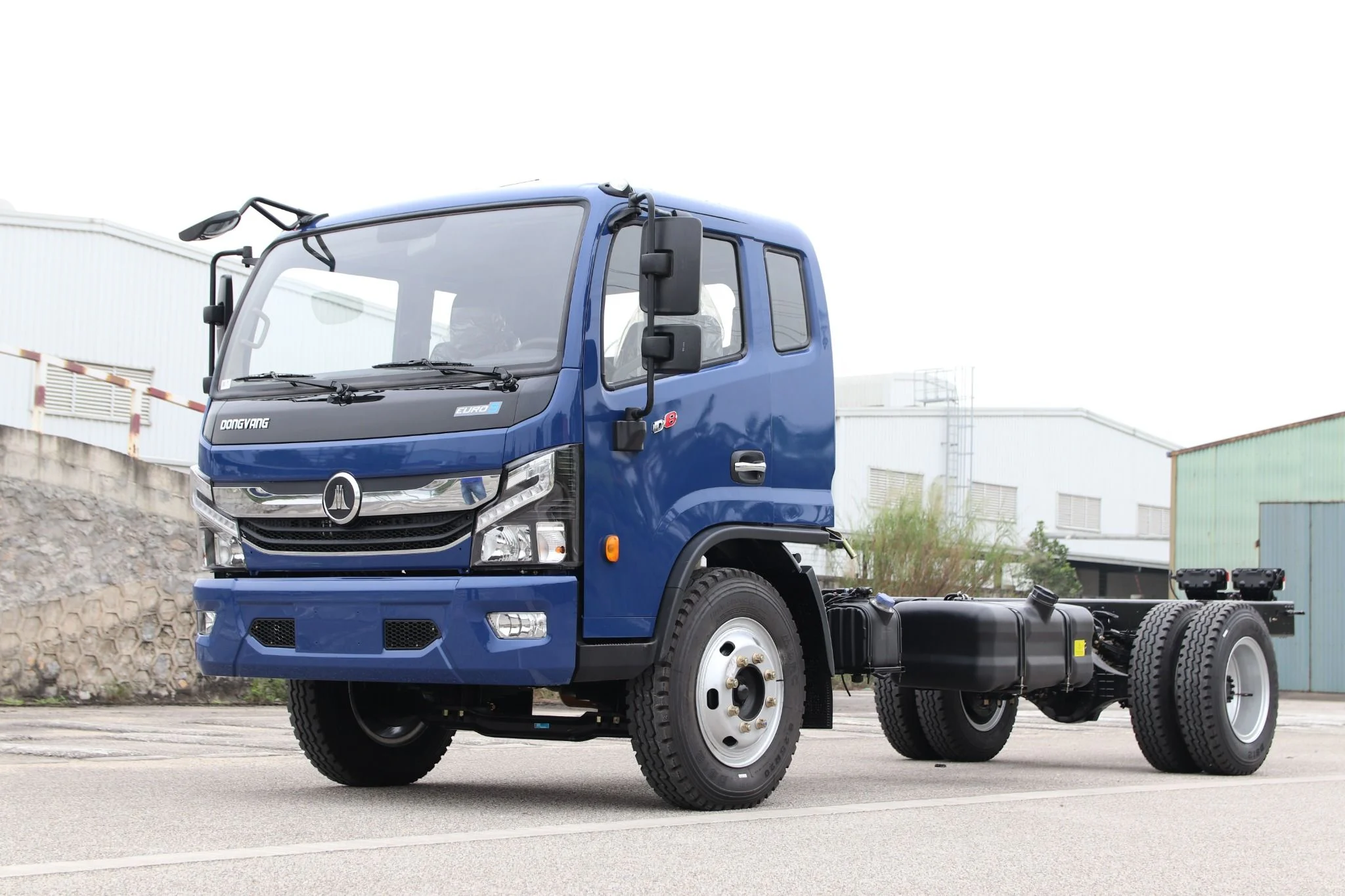
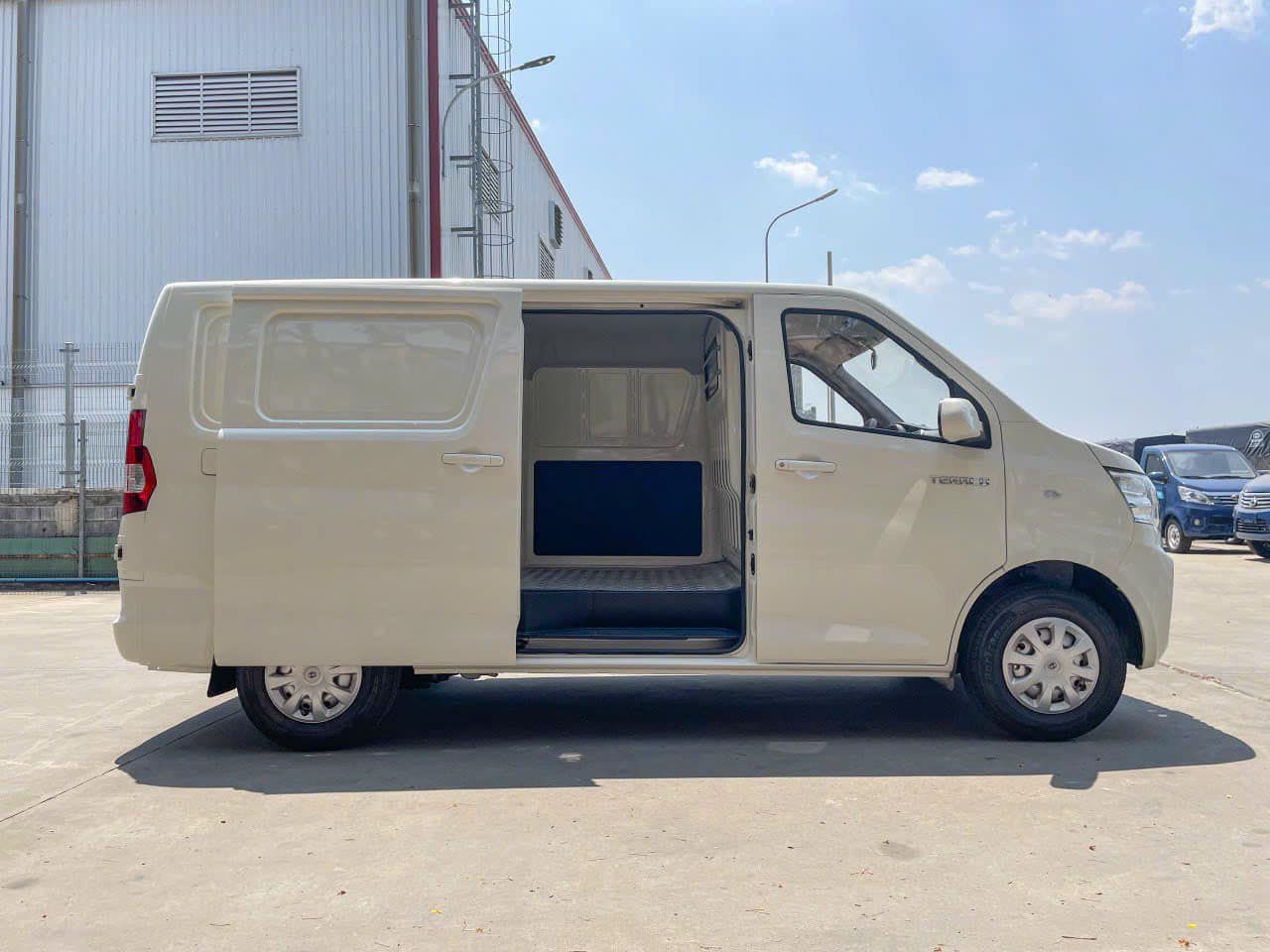
Population changes, both in number and distribution, directly influence transportation demands. For instance, policies encouraging childbirth can lead to population growth, increasing the need for consumer goods transportation, especially in urban areas. Conversely, policies limiting births can slow population growth, affecting long-term transportation needs. This could reduce the demand for box trucks, light trucks, vans, and trucks with capacities of 1 ton, 2 tons, 3.5 tons, and 8 tons. You can learn more about employee benefits policies in English at employee benefits policies in English.
Population Policies and Urban Planning
Impact on Truck Demand
Population policies impact urban planning, which in turn affects the demand for different types of trucks. Policies encouraging population concentration in major cities can lead to increased demand for goods transportation into city centers. This creates a greater need for small, maneuverable trucks like vans and 1-ton and 2-ton light trucks for navigating inner-city routes. Conversely, policies promoting population dispersal may increase long-haul transportation demands, requiring more box trucks and heavier trucks with capacities of 3.5 tons and 8 tons.
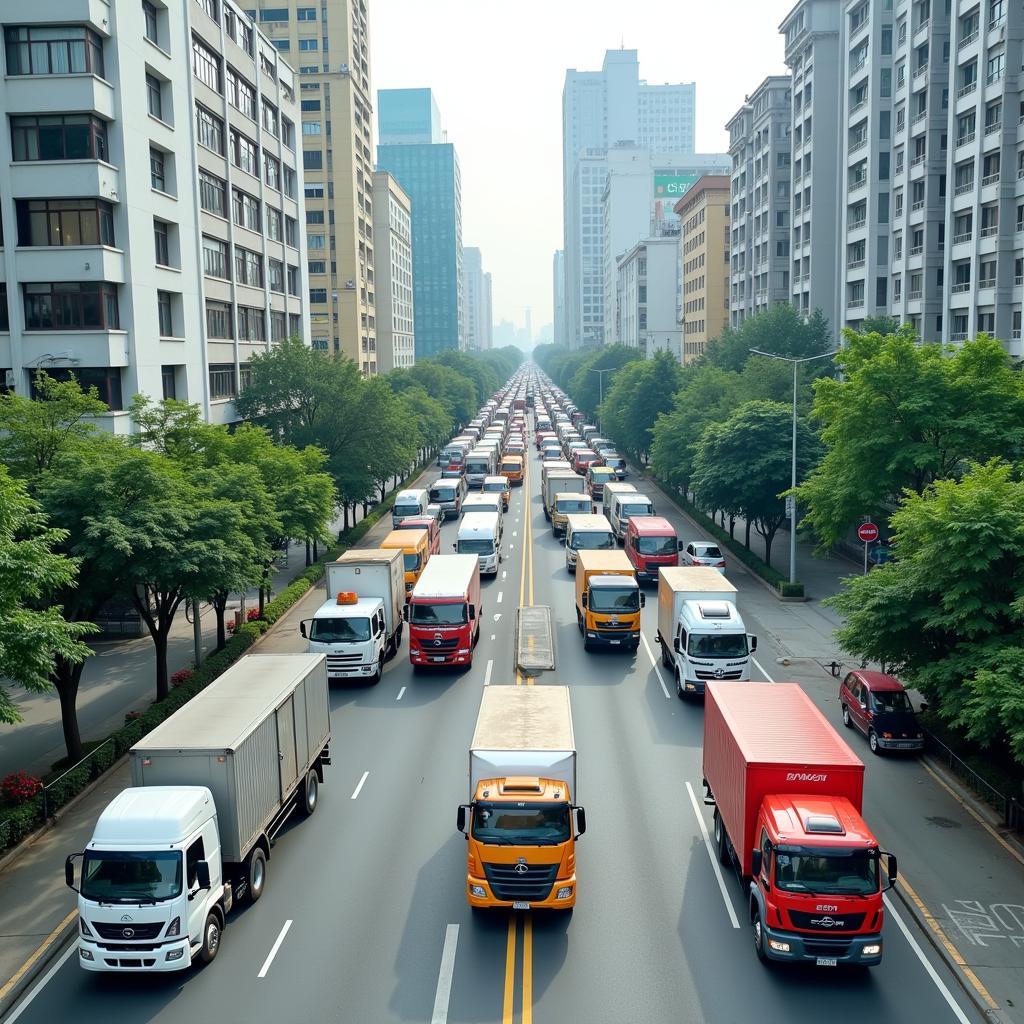 Urban planning and truck demand
Impact on Transportation Infrastructure
Population policies also indirectly influence investment in transportation infrastructure. Population growth necessitates significant development of roads, ports, and parking lots. This facilitates goods transportation by truck while also imposing requirements on vehicle quality and load capacity. For example, the construction of new highways may drive demand for heavy-duty trucks, while improvements to inner-city road systems can enable light trucks and vans to operate more efficiently. Learn more about salary policies at salary policies.
Population Policies and Logistics
Supply Chain Optimization
Population policies influence population distribution and consumer demand, impacting the supply chain. Businesses must adjust their logistics strategies to meet changing transportation needs. This includes choosing suitable truck types, optimizing transportation routes, and managing warehouses effectively. For example, population growth in suburban areas may require logistics companies to utilize more small trucks for home deliveries.
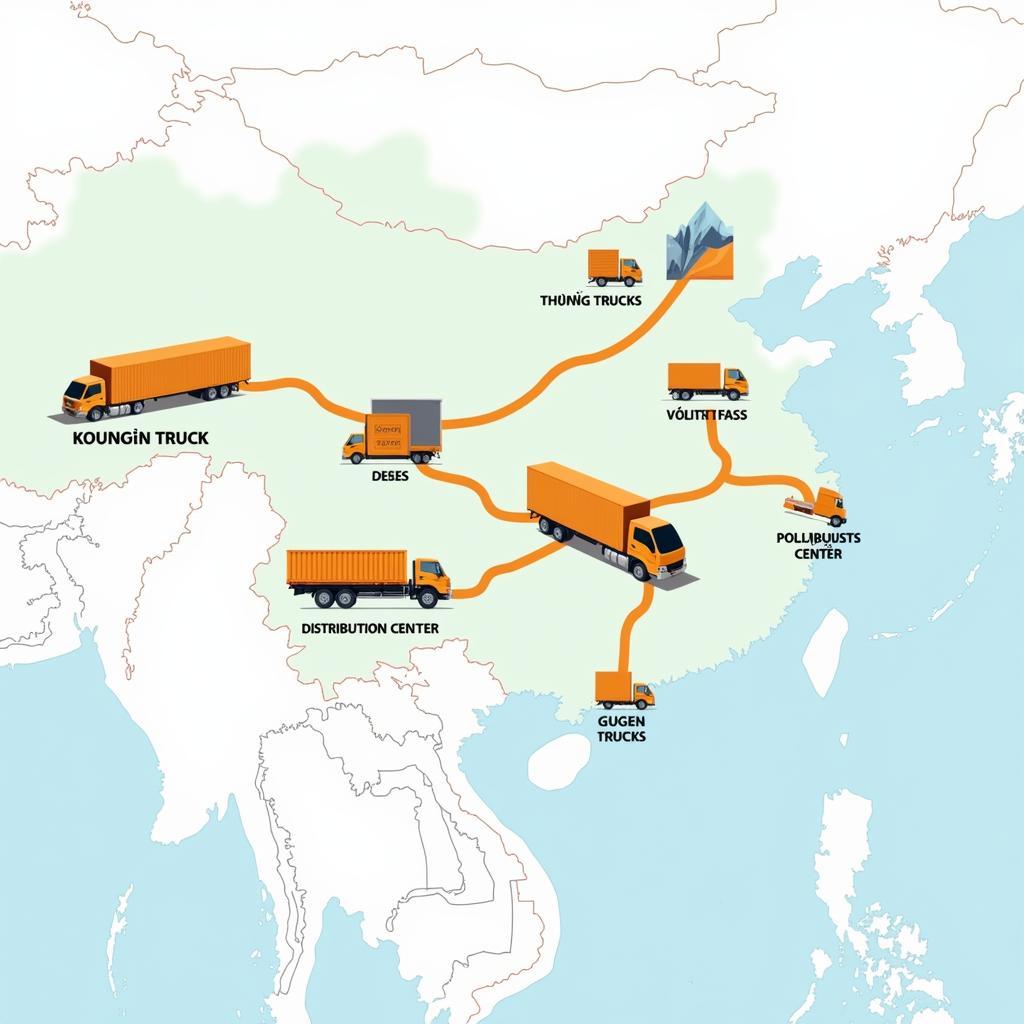 Population policies and logistics
Conclusion
Population policies have a multifaceted impact on the trucking industry, from the demand for various truck types to urban planning and infrastructure development. Understanding these impacts will help businesses in the trucking industry, especially those dealing in trucks, develop appropriate and effective business strategies. Learn more about company regulations for limited liability companies at company regulations for LLCs. It’s important to note that this article focuses on population policies and their impact on the transportation industry.
FAQ
- How do population policies affect truck demand?
- Which type of truck is suitable for urban freight transport?
- How do population policies impact transportation planning?
- How can logistics be optimized in the context of changing populations?
- Which truck is suitable for long-haul transportation?
- How do population policies affect truck prices?
- What is the impact of population policies on the transportation industry?
Common Scenarios and Questions
Customers often inquire about the type of truck that suits their transportation needs, pricing, warranty policies, and maintenance. They are also interested in regulations regarding load capacity, vehicle dimensions, and registration and inspection procedures.
Suggested Related Articles and Resources
You can find more information in articles about company employee benefits policies and Samsung’s employee benefits policies.